Iran War Escalates: Memes, Moscow, and Miami Chaos
MeidasTouch podcast hosts dissect an escalating U.S. war in Iran, the implications of the Strait of Hormuz closure, and a reported meeting between Trump's team and a Russian envoy. The analysis highlights the surreal intersection of real-world conflict and online meme culture.

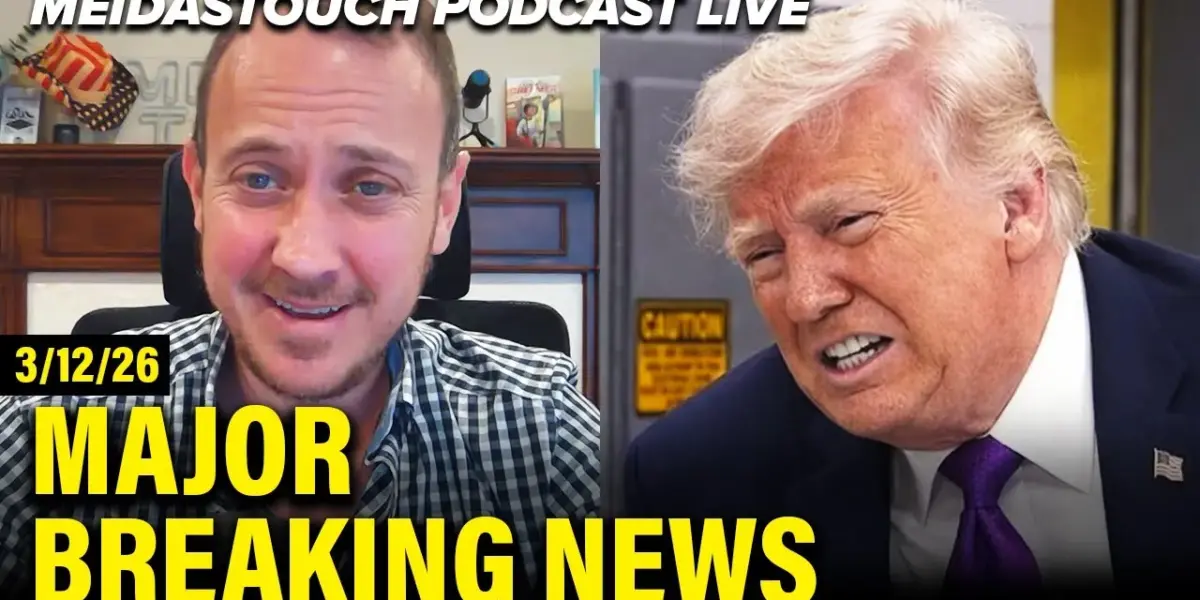
Iran War Escalates: Memes, Moscow, and Miami Chaos
The geopolitical landscape is once again a tinderbox. In a recent broadcast, the MeidasTouch podcast hosts Ben, Brett, and Jordy Meiselas dissected a series of alarming developments, painting a grim picture of escalating conflict and political maneuvering. The core of their discussion revolved around a burgeoning U.S. war in Iran, a conflict seemingly gaining momentum with potentially devastating consequences. This isn’t just a matter of military action; the hosts highlighted how the digital realm is mirroring the real-world turmoil, with online meme wars erupting amidst the kinetic warfare. This juxtaposition of high-stakes conflict and internet culture underscores the complex, and often bizarre, ways modern societies process and react to crisis.
The Strait of Hormuz: A Geopolitical Chokepoint
Central to the escalating tensions is the Strait of Hormuz, a vital maritime passage through which a significant portion of the world’s oil supply transits. The MeidasTouch hosts emphasized the catastrophic ramifications should this chokepoint be closed. Such an event would not only cripple global energy markets, leading to skyrocketing prices and widespread economic instability, but would also serve as a potent tool of leverage for any nation controlling its access. The historical significance of this narrow waterway cannot be overstated; its strategic importance has made it a focal point of international concern for decades, and any disruption there sends immediate shockwaves across the globe.
Whispers from Miami: A Russian Envoy and Trump’s Team
Adding another layer of intrigue to the unfolding crisis is the reported meeting between a Russian envoy and members of Donald Trump’s team in Miami. While details remain sparse, the very fact of such a meeting, particularly in the context of an escalating conflict involving Iran, raises significant questions. The MeidasTouch hosts suggested this could indicate a desperate attempt by Trump’s camp to navigate or perhaps even influence the geopolitical currents. The timing, coupled with the sensitive nature of U.S.-Russia relations and the ongoing international tensions, makes this encounter a subject ripe for speculation regarding potential foreign policy implications and domestic political strategies.
Trump’s Desperation and the Memeification of War
The podcast’s hosts posited that Donald Trump appears increasingly desperate, a sentiment they linked to his team’s reported engagement with Russian officials. This perceived desperation, they argued, could be a driving factor behind unconventional diplomatic overtures or strategic gambits. Simultaneously, the hosts noted the surreal phenomenon of online meme wars accompanying the real-world conflict. This digital response, while seemingly trivial, can be interpreted in several ways: as a coping mechanism for the public, a form of decentralized political commentary, or even a subtle form of psychological warfare. The MeidasTouch team highlighted how these memes, often created and disseminated rapidly, can shape public perception and discourse around the conflict, sometimes overshadowing the gravity of the actual events.
Historical Context and Precedents
The current situation echoes past periods of heightened global tension. The strategic importance of the Strait of Hormuz has been a recurring theme in international relations since the late 20th century, particularly following the Iranian Revolution and the Iran-Iraq War. Any threat to its free passage has historically triggered significant diplomatic and military responses. Furthermore, the intersection of domestic politics and foreign policy, especially concerning relations with Russia, has been a persistent undercurrent in American politics for years. The potential for foreign influence or interference in U.S. foreign policy decisions is a sensitive issue with deep historical roots, dating back to various periods of Cold War espionage and beyond.
Why This Matters
The confluence of a potential major war, critical economic chokepoints, and shadowy political meetings has profound implications. Firstly, the economic consequences of disrupting oil flow through the Strait of Hormuz would be immediate and severe, impacting global inflation, supply chains, and the everyday lives of consumers worldwide. Secondly, the reported meeting between Trump’s team and a Russian envoy, if indicative of attempts to shape foreign policy, raises serious questions about national sovereignty and the integrity of democratic processes. The intertwining of meme culture with real-world conflict also signifies a shift in how information, and indeed reality, is processed in the digital age. It highlights the challenges of maintaining informed public discourse when faced with a deluge of both verifiable news and viral online content. The MeidasTouch hosts’ analysis serves as a stark reminder that the decisions made in war rooms and diplomatic backchannels have tangible, often devastating, effects, while the digital sphere offers a complex, and sometimes misleading, reflection of these events.
Implications, Trends, and Future Outlook
The trends observed are concerning: increasing geopolitical instability, the weaponization of information (both traditional and digital), and the potential for foreign influence in sensitive political matters. The future outlook is one of heightened uncertainty. The U.S.’s role in the escalating conflict in Iran, the strategic maneuvering around the Strait of Hormuz, and the implications of inter-party and international communications will undoubtedly shape the coming months and years. The capacity for online discourse to both reflect and potentially distort understanding of critical events suggests a need for greater media literacy and critical thinking skills among the public. As the world navigates these complex challenges, the ability to discern fact from fiction, and to understand the far-reaching consequences of geopolitical decisions, will be more crucial than ever.
The discussion by MeidasTouch underscores the volatile nature of current events, where military conflicts, economic vulnerabilities, and political intrigues converge, all amplified and refracted through the lens of digital culture. The stakes are exceptionally high, demanding careful analysis and a clear-eyed understanding of the forces at play.
The escalating U.S. war in Iran, the online meme wars amid the real war, a meeting between a Russian envoy and Trump’s team in Miami, the devastating consequences of the closure of the Strait of Hormuz, Trump’s increasing desperation, and more.
Source: LIVE: MeidasTouch RESPONDS to MAJOR BREAKING NEWS – 3/12/26 (YouTube)

Related Articles

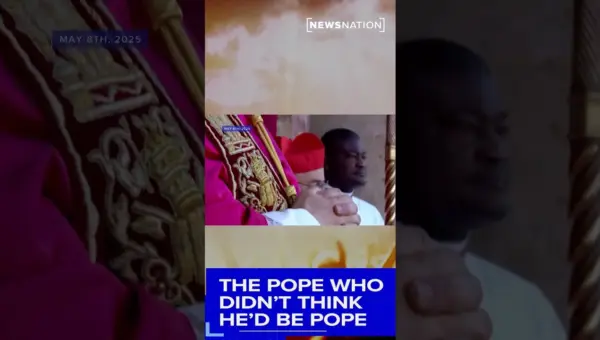
US Cardinal’s Papal Upset Redraws Vatican Influence
Pope Francis's election defied expectations, including his own, as an American cardinal believed an "American" Pope was unthinkable. The swift conclave surprised many, highlighting the unpredictable nature of papal selections and signaling a potential shift in the Church's global direction.
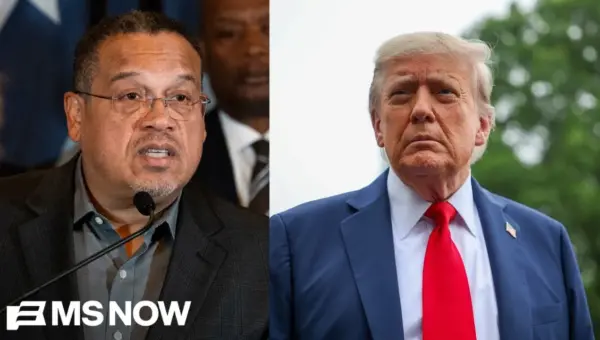
MN AG Blasts Trump’s ‘Wicked’ Insults Amid ‘No Kings’ Protests
Thousands protested President Trump's policies nationwide, with Minnesota AG Keith Ellison condemning his "wicked" and "corrupt" nature. Ellison also discussed a state lawsuit against the federal government over withheld evidence in officer-involved shootings.
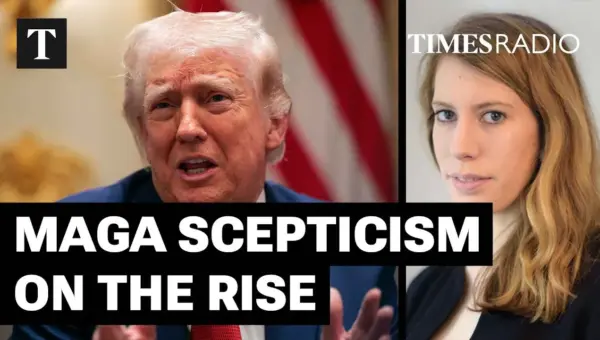
Trump’s War Strategy Faces Skepticism Amidst Shifting Goals
President Trump's strategy in the ongoing Middle East conflict is facing increasing skepticism, even from his own base. While military actions have seen success, strategic goals are unclear and diverging from allies like Israel. The prolonged war and shifting public perception are creating a sense of uncertainty and doubt.