Para Ice Hockey: Inside the Gear of an Intense Paralympic Sport
Para ice hockey, a full-contact Paralympic sport formerly known as sledge hockey, utilizes specialized equipment like sledges and dual-purpose sticks. NBC News' Steve Kornacki breaks down the intense gameplay, strategy, and protective gear that make this winter event a thrilling spectacle of athleticism and determination.


Para Ice Hockey: The Thrilling World of Full-Contact Paralympic Sport
Para ice hockey, formerly known as sledge hockey, is making its highly anticipated return to the Paralympics, captivating audiences with its speed, physicality, and strategic depth. NBC News’ Steve Kornacki offers an insider’s look into the specialized equipment, tactical gameplay, and exhilarating action that define this unique winter sport. More than just a competition, para ice hockey showcases incredible athleticism and resilience, pushing the boundaries of what’s possible on the ice.
The Essential Toolkit: Equipment for the Elite Para Athlete
The equipment used in para ice hockey is as specialized as the sport itself, designed to facilitate mobility, protection, and offensive capability for athletes who compete without the use of their lower limbs. At the heart of the setup is the sledge, a low-profile seat mounted on two skate blades. This innovative design allows athletes to glide across the ice with remarkable agility.
Attached to the sledge are two sticks, which are crucial for both propulsion and puck handling. These sticks are not uniform; they feature a pick at one end for pushing off the ice and a blade at the other for controlling and shooting the puck. The length and curvature of these sticks are often customized to the individual athlete’s needs and playing style, reflecting the sport’s emphasis on personalized performance.
Protection is paramount in such a high-impact sport. Athletes are outfitted with comprehensive protective gear, including:
- Helmets: Equipped with cages or full face shields to protect against collisions and puck impacts.
- Shoulder Pads: Designed to absorb the shock of body checks and falls.
- Elbow Pads: Offering crucial protection for the elbows.
- Shin Guards: Similar to those used in traditional ice hockey, providing lower leg protection.
- Gloves: Padded gloves protect the hands, with some players opting for specialized catching gloves.
- Mouthguards: Essential for dental protection during intense play.
The combination of the sledge, specialized sticks, and robust protective gear creates a unique biomechanical system that allows athletes to compete at the highest level of intensity.
Gameplay and Strategy: A Fast-Paced Tactical Battle
Para ice hockey is renowned for its fast-paced nature and the strategic complexity that unfolds on the ice. Unlike traditional ice hockey, the game is played with four skaters and a goaltender on each team, with a shorter game time consisting of three 15-minute periods. The smaller player numbers and the unique mobility of the sledges contribute to a more condensed and often more physically intense game.
Key aspects of gameplay include:
- Puck Movement: Players use their sticks to pass, shoot, and control the puck. The dual-purpose nature of the stick—propulsion and puck handling—requires exceptional coordination and skill.
- Body Checking: Para ice hockey is a full-contact sport. Athletes use their sledges to deliver checks, aiming to dispossess opponents of the puck or disrupt their play. This physicality is a defining characteristic of the sport.
- Goaltending: Goaltenders play a critical role, using their sticks and bodies to block shots. Their positioning and reflexes are vital in preventing goals.
- Team Strategy: Teams employ various offensive and defensive strategies, including zone defenses, aggressive forechecking, and intricate passing plays. The dynamics of the game are heavily influenced by how teams utilize the unique capabilities of their athletes and equipment.
Kornacki highlights the intensity and strategic nuances, emphasizing that the sport demands a high level of skill, strength, and tactical awareness from all participants.
The Evolution and Appeal of Para Ice Hockey
Para ice hockey has a rich history, evolving from its origins as sledge hockey in the 1960s. Its inclusion in the Paralympic Games has significantly boosted its profile, attracting a wider audience and inspiring new generations of athletes. The sport is celebrated not only for its athletic demands but also for its power to break down barriers and promote inclusivity in sports.
The speed and physicality of para ice hockey often surprise those unfamiliar with the sport. It challenges perceptions and showcases the extraordinary abilities of para-athletes. As Kornacki’s insights reveal, the game is a testament to human determination and the pursuit of athletic excellence.
Looking Ahead: The Future of Para Ice Hockey
With the Paralympic Games serving as a global stage, the future of para ice hockey looks brighter than ever. Continued media coverage, increased investment, and growing grassroots participation are expected to further elevate the sport’s status. Fans can anticipate even more thrilling matchups, innovative strategies, and inspiring performances as athletes continue to push the limits of para ice hockey. The evolution of equipment and training methodologies will undoubtedly contribute to the sport’s ongoing development and appeal, solidifying its place as a premier event in the Paralympic movement.
Source: The equipment behind the full contact sport of Para Ice Hockey (YouTube)

Related Articles


Wallace Leads USA Sled Hockey to Gold vs. Canada
Jack Wallace scored twice to lead the U.S. Men's Sled Hockey team to their fifth consecutive Olympic gold medal, defeating Canada in a thrilling final. The victory completes an unprecedented "triple crown" for USA Hockey.


Team USA Sled Hockey Eyes Historic 5th Gold Medal
Team USA sled hockey is heading to the Paralympic gold medal game, aiming for an unprecedented fifth consecutive championship. Star player Declan Farmer set a new Paralympic single-tournament record for goals in the semifinals, fueling the team's historic pursuit.

El Salvador’s Paralympians Defy Gang Violence to Make History
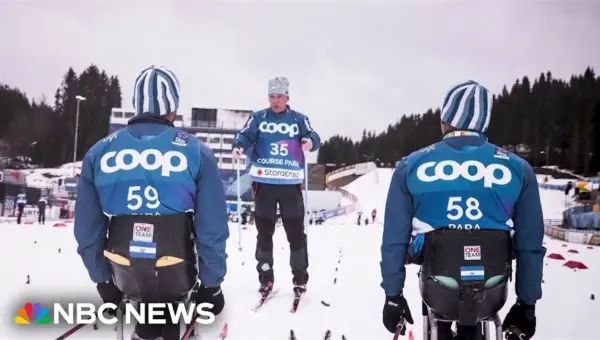
El Salvador's first Winter Paralympians, David Chavez and Jonathan Arias, made history in Milan after overcoming gang violence and paralysis. The athletes trained on sand in their home country before switching to cross-country skiing, showcasing remarkable resilience.