NATO Envoy: US Strikes Cripple Iran’s Missile, Drone Capabilities
A senior NATO ambassador revealed that U.S. forces have struck over 6,000 Iranian targets in six days, crippling the nation's missile and drone production capabilities. The actions are a direct response to Iran's escalating weapons development programs and past provocations against NATO allies.

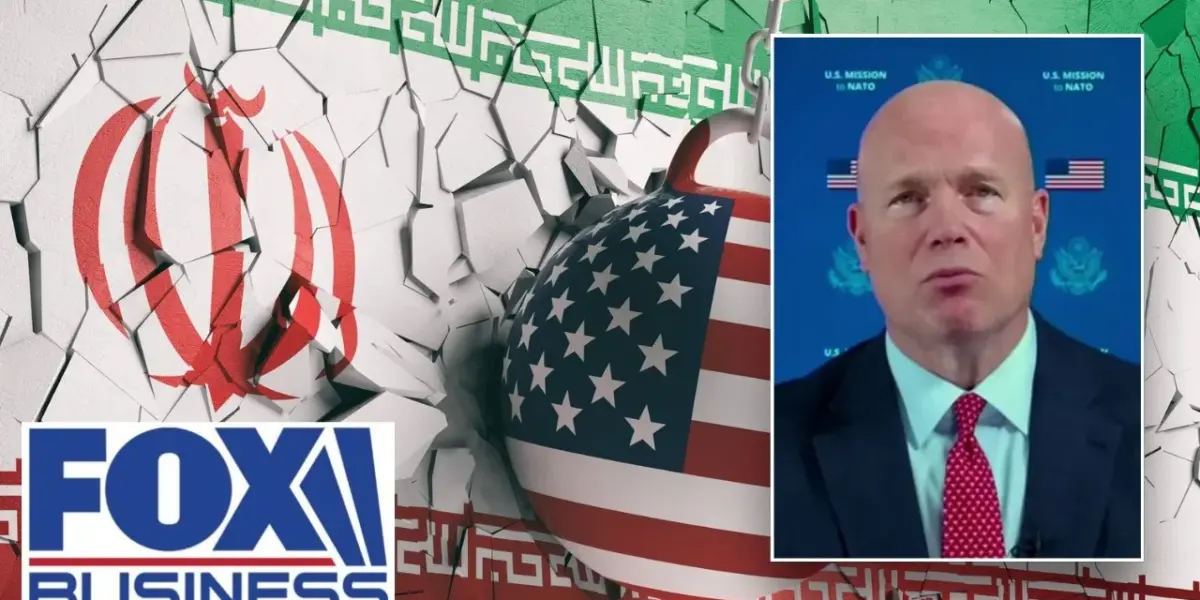
US Strikes Decimate Iranian Military Assets, NATO Envoy Asserts
BRUSSELS, BELGIUM – In a stark assessment of recent military operations, a senior NATO ambassador revealed that U.S. forces have successfully struck over 6,000 Iranian targets in the past six days, significantly degrading the nation’s ballistic missile and drone capabilities. The ambassador, speaking on condition of anonymity, stated that these actions have effectively crippled Iran’s ability to produce advanced weaponry moving forward and are a direct response to the country’s escalating development programs.
Iran’s Provocations and NATO’s Response
The comments come amid heightened global tensions and a clear demonstration by Iran of its expanding missile and drone reach, with European cities reportedly falling within the range of Tehran’s arsenal. The ambassador emphasized that Iran’s aggressive posture is not a hypothetical threat, citing a past incident where two Iranian missiles were fired at Turkey, a NATO ally. These projectiles were intercepted and neutralized by a Patriot missile battery deployed on a U.S. destroyer.
“This is not theoretical. This is a real thing. They were both knocked out of the sky with the Patriot missile battery which was on one of our destroyers. This is real world right now and NATO.”
The ambassador’s remarks were made in the context of a military-industrial fair in Belgium, where discussions focused on critical issues such as counter-drone technology, deep strike capabilities, and the integration of artificial intelligence and cloud computing into military operations. These are not abstract concepts but areas of active, daily development for NATO and the U.S. government, highlighting a proactive approach to emerging threats.
The Challenge of Asymmetric Warfare
A significant concern highlighted during the discussions was the vast cost disparity between advanced interceptor systems and the relatively inexpensive drones employed by adversaries like Iran. While interceptor missiles can cost upwards of $4 million per shot, many drones are produced for less than $20,000 and can be manufactured and deployed rapidly. This asymmetric threat poses a substantial challenge to traditional defense strategies.
“It costs $4 million a shot. It is 96-98% effective. That is way too expensive especially when you’re talking about less than $20,000 drones that are very cheap to make and can be scaled very quickly,” the ambassador noted, underscoring the economic and strategic complexities of countering drone swarms and proliferation.
Assessing the Effectiveness of U.S. Military Actions
Addressing questions about the effectiveness of Iranian tactics and whether they were gaining an advantage, the ambassador firmly disputed such claims. While acknowledging that reporters have offered advice on drone tactics, the envoy asserted that Iran is currently facing significant setbacks.
“They are getting their butts kicked by the United States. We have struck 6000 targets over the last six days. We have degraded both their ballistic missile and their drone capabilities dramatically. They will not be able to produce any going forward because we will take enough production as well,” the ambassador stated. The U.S. military’s successful execution of these operations, authorized by the President, has been described as a “resounding success” in dismantling Iran’s advancement programs.
Broader Implications for NATO and Global Security
The ambassador also touched upon the concept of a “NATO shield,” indicating that the alliance is rapidly advancing its air defense and counter-unmanned aerial vehicle (UAV) capabilities. Significant learning is being derived from the experiences of Ukraine and Middle Eastern nations in confronting Iranian and Russian drones. Much of the advanced technology being utilized originates from the United States, with ongoing efforts to test and refine these systems in real-world “battlefield laboratories.”
The ambassador’s strategy involves querying every allied nation about their deployment of specific technologies, both in Ukraine and the Middle East, to understand their effectiveness and usage. This comprehensive approach aims to ensure that NATO remains at the forefront of defense innovation and can effectively counter evolving threats.
Looking Ahead
The significant U.S. military action against Iran’s weapons programs marks a critical juncture in regional security. The focus now shifts to monitoring Iran’s response, the long-term impact of these strikes on its military capabilities, and NATO’s continued efforts to bolster its air and drone defense systems. The effectiveness of these countermeasures against increasingly sophisticated and cost-efficient adversary technologies will be a key area to watch.
Source: 6000 TARGETS STRUCK: Iranians are getting their BUTTS KICKED, NATO ambassador says (YouTube)

Related Articles
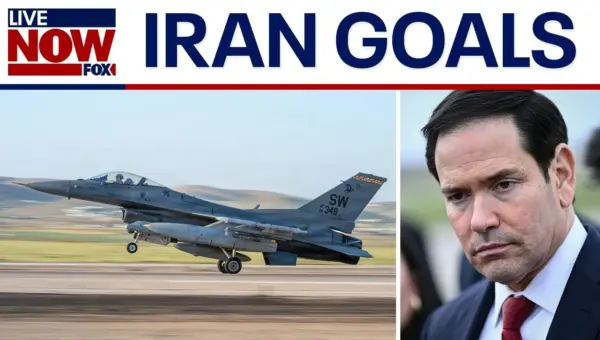
Rubio: US Can Achieve Iran War Goals Without Troops
Senator Marco Rubio outlined a strategy to counter Iran without deploying U.S. ground troops, focusing on weakening the regime and enhancing maritime security. He also criticized Cuba's economic system and expressed concerns about West Bank violence.


Israel Escalates Iran Strikes, Warns of Wider War
Israel has launched significant strikes inside Iran following continued missile fire, warning of further escalation. The conflict risks wider regional instability and economic disruption, especially concerning the Strait of Hormuz.


Trump’s War Talk Stuns Financial Crowd
Donald Trump's recent speech in Miami focused on his foreign policy, particularly his critical views on NATO and his vision for international relations. He declared the U.S. would no longer defend NATO allies, questioned the value of existing alliances, and suggested renaming the Strait of Hormuz. The speech also touched on his personal views of success, his allies, and his perceived role as a global peacemaker.