Hair Extensions Linked to Cancer, Birth Defects: New Study
New studies from Consumer Reports and the Silent Spring Institute reveal dangerous chemicals and heavy metals, including lead and endocrine disruptors, in popular hair extensions. The findings link these products to cancer, reproductive harm, and birth defects, prompting calls for regulation and legislative action.

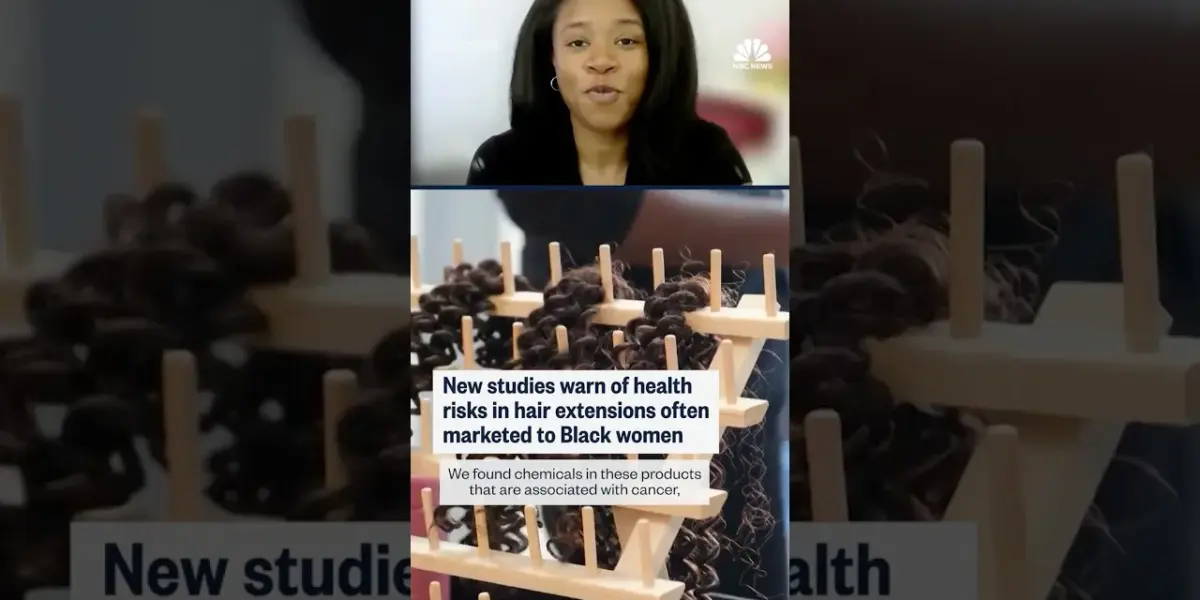
New Studies Expose Health Hazards in Popular Hair Extensions
A beloved hair styling choice, often marketed as a protective measure for Black women, is now facing intense scrutiny following the release of two new scientific studies. These investigations reveal alarming levels of dangerous chemicals and heavy metals in a wide range of hair extensions, including human, synthetic, and plant-based varieties. The findings raise significant concerns about potential health risks, including cancer, reproductive harm, and birth defects, associated with these widely used products.
Consumer Reports Uncovers Toxic Chemicals and Heavy Metals
A comprehensive analysis by Consumer Reports tested products from 30 different brands of hair extensions. The study detected the presence of volatile organic compounds (VOCs) and heavy metals, with human hair extensions exhibiting particularly high levels of lead. “Human hair by far had the most lead that we’ve ever seen in testing these products. Orders of magnitude above synthetic hairs,” reported the study’s findings.
The research involved testing three samples from each brand. While many products contained concerning substances, the study did note some exceptions, including one product free of heavy metals and another with low levels. This variation suggests that manufacturers have the capability to produce safer alternatives. “So that tells us that these manufacturers can make a safer product,” Consumer Reports concluded.
Silent Spring Institute Identifies Endocrine Disruptors and Pesticides
Complementing the Consumer Reports findings, the Silent Spring Institute, a non-profit scientific research organization, conducted its own investigation. Their study examined 43 hair extension products, identifying a staggering 169 different chemicals. Among the detected substances were flame retardants and pesticides, chemicals commonly associated with significant health issues.
“We found that all but two of the products that we looked at contained at least one of those hazard chemicals,” stated a representative from the Silent Spring Institute. When asked about the most alarming substances discovered, the institute highlighted organohalogen compounds. “The compounds that most alarmed me from this study were the organohalogen compounds. Those are compounds that are typically not found in consumer products. We know that they’re associated with endocrine disruption in humans as well as cancer.”
Personal Accounts Fuel Research and Calls for Regulation
The growing body of research was partly spurred by personal experiences. Nearly a year prior to these studies, medical student Crystal Thomas shared her distressing experience with braiding hair. Her commentary highlighted the immediate physical discomfort she endured, which in turn prompted Consumer Reports’ initial analysis. “I noticed uh my hair was itching and it was just difficult to breathe overall,” Thomas recalled.
These personal testimonies, combined with the scientific evidence, are intensifying calls for greater oversight and regulation within the beauty industry. The findings underscore the need for more rigorous testing and transparency regarding the ingredients used in hair products, especially those disproportionately marketed to and used by specific communities.
Legislative Action and Future Outlook
In response to these mounting concerns, legislative bodies are beginning to take action. New York and New Jersey have introduced bills aimed at regulating or potentially banning certain synthetic braiding hair products, with legislation proposed for 2025. Furthermore, the Safer Beauty Bill Package was reintroduced in the U.S. House of Representatives last year, signaling a broader effort to address chemical safety in consumer products.
While both studies acknowledge their limitations due to small sample sizes, the consistent identification of hazardous chemicals across different product types and brands warrants urgent attention. Advocates emphasize the necessity of continued research and stricter regulatory frameworks. “There needs to be more efforts to uncover some of the products in their wrist,” the Silent Spring Institute urged, highlighting the ongoing need for vigilance and proactive measures to protect consumer health.
The coming months will be crucial as lawmakers consider new legislation and regulatory bodies assess the safety standards for hair extension products. Consumers are advised to remain informed and advocate for safer beauty practices, while industry manufacturers face increasing pressure to prioritize ingredient transparency and product safety.
Source: New studies warn of health risks in hair extensions often marketed to Black women (YouTube)

Related Articles


Peptides: The Risky Trend You Need to Know
Peptides, often sold with a 'research use only' label, pose significant health risks due to lack of regulation and potential contamination. Learn why these substances are dangerous and the importance of consulting a doctor.


Unusual Eating Habits & Health Risks Explored
Exploring unusual behaviors from "My Strange Addiction," this article examines the health risks and scientific validity behind practices like snorting food, perineum sunning, eating toenails, extended breastfeeding, semen facials, and vabbing. Medical experts weigh in on potential dangers and offer evidence-based advice.

Cholesterol: Rethinking the ‘Enemy’ in Your Body
Emerging perspectives challenge the decades-old view of cholesterol as solely a villain. This article explores the essential roles of cholesterol in the body, the nuances of LDL particle types, and the potential risks associated with overly aggressive cholesterol lowering.