Trump’s 10% Credit Card Cap: Economic Impact & Feasibility
A proposal by Donald Trump to cap credit card interest rates at 10% for one year faces significant legal and economic hurdles. While aiming to ease consumer debt burdens, experts warn of reduced credit availability and potential impacts on banking profitability, with most analysts deeming the cap unlikely to be enacted without congressional action.

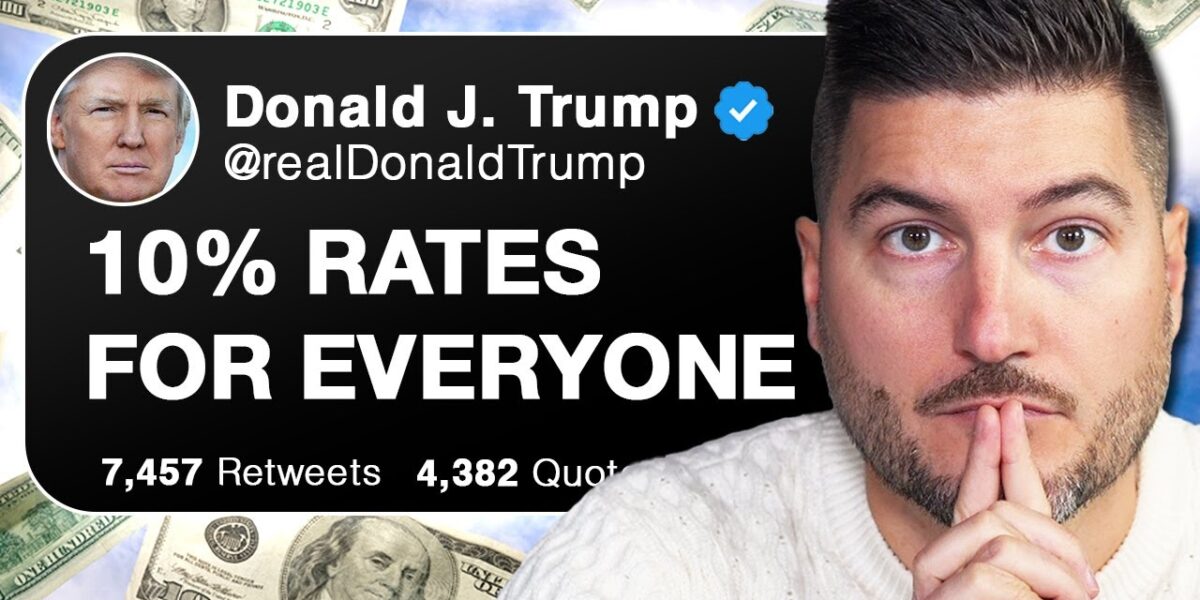
Trump’s 10% Credit Card Interest Rate Proposal Sparks Debate
A recent proposal by former President Donald Trump to cap credit card interest rates at 10% for one year, effective January 20, 2026, has ignited significant discussion regarding its potential economic ramifications and legal feasibility. While the proposal aims to alleviate financial pressure on consumers grappling with record debt levels, its implementation faces considerable hurdles, including the necessity of congressional action and potential negative consequences for credit availability and banking profitability.
The Proposal and Its Origins
The proposition was articulated through a social media post, stating: “Effective January 20th, 2026, I as president of the United States am calling for a one-year cap on credit card interest rates of 10%.” This statement, however, was a call for action rather than a legally binding executive order. Critics, including Senator Elizabeth Warren, have pointed out that such a significant change to lending rates would require legislative action from Congress, rendering the presidential call legally void without a corresponding bill.
Consumer Debt Landscape
The timing of this proposal comes as American consumers face unprecedented levels of credit card debt. According to data from the New York Fed for the third quarter of 2025, outstanding credit card debt has reached a staggering $1.23 trillion, representing a significant portion of the total $5.1 trillion in consumer debt. Approximately half of all credit card holders carry a balance, and with average Annual Percentage Rates (APRs) often exceeding 20%, the interest paid on this debt constitutes a substantial financial burden.
Potential Savings and Economic Trade-offs
A study by Vanderbilt University explored the potential financial impact of an interest rate cap. The research suggests that a 10% cap could lead to annual interest savings of approximately $100 billion to $150 billion for consumers. The average consumer could see monthly savings of around $900 under such a cap.
However, this potential benefit is accompanied by significant trade-offs. The same study indicates that to maintain profitability, particularly for customers with FICO scores below 760, banks might reduce credit card rewards by as much as $27 billion annually. For context, a cap at 18% was projected to save consumers $16 billion annually with no reduction in rewards, while a 15% cap might save $48 billion annually with a smaller rewards reduction.
Market Reaction and Investor Concerns
The announcement and subsequent discussions surrounding the proposal have already had a tangible effect on the stock prices of major financial institutions. Companies heavily involved in credit card services, such as Synchrony Financial, Capital One, and American Express, experienced declines.
For instance, Bank of America was down 1.75%, American Express fell 4.29%, and JPMorgan Chase saw a 2.1% decrease at the time of reporting. This market reaction underscores investor apprehension about the potential impact on profitability within the credit card industry.
Legal and Practical Hurdles
The primary legal obstacle to implementing a nationwide credit card interest rate cap lies in the U.S. Legal framework, which designates Congress as the body responsible for enacting such financial regulations. The President, through executive orders, does not possess the unilateral authority to dictate private lending rates. Industry groups and legal analysts largely agree that any attempt to impose a cap via executive order would likely face swift legal challenges and be struck down by courts.
Concerns have been raised by financial professionals and trade associations, such as the American Bankers Association, that a drastic reduction in interest rates could lead to reduced credit availability. This might force individuals and small businesses to seek alternative, potentially more predatory, forms of credit, such as from loan sharks, at even higher costs.
“Evidence shows that a 10% interest rate cap would reduce credit availability and be devastating for millions of American families and small businesses who rely on and value their credit cards, the very consumers this proposal intends to help.”
— Financial Industry Analysis
Expert Opinions and Industry Warnings
Prominent figures in the financial world have voiced concerns. A deleted tweet from a billionaire investor highlighted the proposal as a potential “huge mistake,” warning that credit card lenders would be forced to cancel cards for millions of consumers. This could lead to individuals being pushed towards less regulated and more expensive credit options.
The core argument from banks and industry analysts is that interest rates, to some extent, reflect the risk associated with lending. Capping rates too low could disincentivize lending to higher-risk borrowers, thus restricting access to credit for those who might need it most.
What Investors Should Know
The proposal, while politically appealing to consumers burdened by debt, faces significant legal and economic challenges. Investors should consider the low probability of a 10% cap being enacted without congressional approval. Should the proposal fail to materialize or be struck down, financial institutions heavily exposed to credit card lending could see their stock prices rebound.
Some analysts suggest that the current market downturn in these stocks, driven by the proposal, might present a short-term trading opportunity through options strategies, assuming the cap does not become law. However, the long-term outlook for credit card companies will also depend on broader economic trends, regulatory environments, and evolving consumer behavior.
Broader Economic Implications and Consumer Behavior
The underlying sentiment driving the proposal is the widespread financial pressure felt by consumers due to rising costs of living, including groceries, housing, and insurance. Credit cards often serve as a short-term tool to manage cash flow gaps.
While a lower interest rate cap would undoubtedly provide immediate relief for those carrying balances, some argue that it could inadvertently encourage more people to rely on credit card debt as a crutch, rather than addressing the root causes of affordability issues. The long-term solution, as advocated by many financial educators, lies in increasing savings, improving cash flow management, and reducing fixed expenses, rather than depending on debt to navigate economic challenges.
Conclusion: A Proposal, Not a Policy
Currently, the 10% credit card interest rate cap remains a proposal, not a concrete policy. Its path to becoming law is fraught with legal and political obstacles, with most analysts deeming its passage in its current form highly unlikely.
The debate highlights the tension between consumer relief and the operational realities of the financial industry. While the idea resonates with many feeling financial strain, the practical implementation and its broader economic consequences suggest that fundamental shifts in personal finance, such as increased savings and responsible debt management, remain the most sustainable strategies for consumers.
Source: Trump's 10% Credit Card Interest Rate Cap (Here’s What Happens Next) (YouTube)

Related Articles


Iran War Costs Mount, Deal Prospects Dim
The war in Iran is costing the U.S. billions daily, impacting inflation and healthcare costs. While military gains are noted, concerns remain about Iran's nuclear ambitions and the lack of a clear diplomatic path. A "grand bargain" is sought, but the economic and human costs at home are rising.


Red Wave Crashes: GOP Faces Historic Exodus
A surprising election in Wisconsin signals a major shift in voter support, with Democrats gaining ground. This, coupled with a record number of Republican retirements, suggests a challenging future for the GOP as economic pressures and political accountability concerns weigh on voters.

IRS Delivers Record Refunds, Boosts Collections With Tech
The IRS is issuing refunds faster and in larger amounts than ever before, processing 80 million payments this year. The agency credits its increased efficiency to the adoption of new technologies and successful implementation of tax reforms. Increased collections and faster refund delivery are key outcomes.