Russia’s War Economy: Teenagers to Factories, Officials Steal Land
Reports from Russia indicate a troubling shift towards a war economy, where educational institutions are being repurposed for defense manufacturing and officials allegedly exploit land programs. Teenagers are reportedly being channeled into drone factories, while public services and infrastructure show signs of decay amid increased military spending.

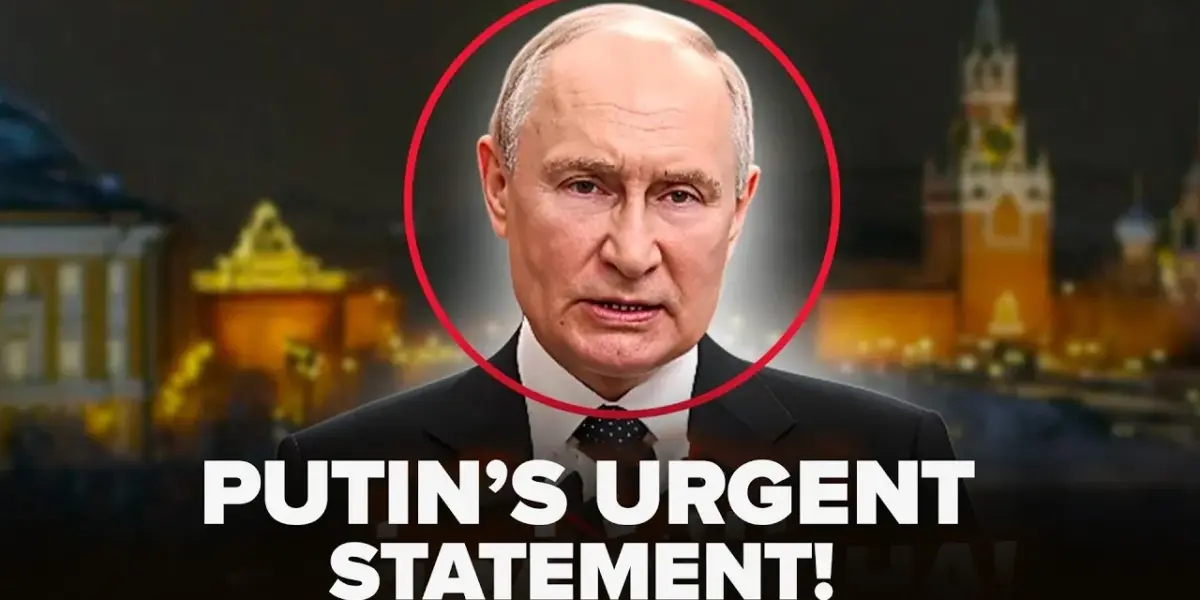
Russia’s War Economy: Teenagers to Factories, Officials Steal Land
In a stark portrayal of contemporary Russia, a system driven by war and corruption appears to be prioritizing military production and state interests over the welfare of its citizens. Reports from within the country reveal a disturbing trend where education is being repurposed to serve the war machine, officials are exploiting social programs for personal gain, and young people are being channeled into defense industries, all under the guise of patriotism and national development.
Officials Divert Land Meant for Families
In the Ivanova region, a shocking corruption scheme has come to light, exposing the stark contrast between official rhetoric and reality. Land plots designated for large families were allegedly appropriated by local officials and elites, while the intended beneficiaries were offered unusable land in swamps and ravines. These plots, lacking basic infrastructure like electricity, water, and gas, rendered them unsuitable for building or habitation. This situation highlights a systemic issue where state resources are allegedly misused, leaving vulnerable populations without promised support while benefiting those in power.
“Ordinary large families were offered ravines and swamps. Well, they should allocate land plots to large families. So they said, ‘Please take what they give. Far away swamp, forest, you can’t get there.’ Oh, as far as I understand, there is no electricity, no water, no gas. Well, it’s just take it if you don’t want to. Goodbye.”
Education Realigned for War Production
President Vladimir Putin has openly stated that educational programs must align with the needs of the national economy and enterprises. However, with Russia’s economy increasingly geared towards war, this directive translates into preparing students for roles in the defense sector. Universities and vocational schools are reportedly adapting curricula to meet the demands of factories producing weapons, including drones and missiles. This shift is exemplified by the Alabuga Polytechnic University, which actively recruits students, including teenagers as young as 16, to work at a large drone manufacturing plant.
Students are offered financial incentives, promises of academic benefits, and career prospects. However, accounts from within these institutions paint a different picture, describing a highly controlled environment with long working hours, restrictions on communication, and mandatory long-term employment contracts. One former student described the college as a “closed prison” where students are bound by strict agreements, facing substantial fines for early termination of their contracts.
Student Testimonials and Reality
Promotional videos feature young students like Kir, who claims to test and inspect PCBs at the drone factory, stating, “Today it is important not to stand still. I chose to help the motherland with deeds. Work, create, develop.” Another student, Darina, aged 16, boasts about earning 150,000 rubles a month, with aspirations for higher positions and salaries. However, the reality, as suggested by critical accounts, is that these teenagers are becoming integral to the production of weapons used in ongoing conflicts, effectively being mobilized for the war effort under the guise of career development.
Demographic Rhetoric and Resource Mobilization
Concurrently, there is a push for increased birth rates, with some officials urging women to have multiple children. Deputy Utasha suggested that women can easily give birth to three children by age 27 and continue having children until 47. This rhetoric, however, is viewed by critics not as genuine concern for family welfare, but as a strategy to replenish the population and secure future soldiers for a protracted war. The discrepancy between the deputy’s public statements and her personal family size further fuels skepticism.
Economic Strain and Infrastructure Decay
As the nation’s resources are increasingly diverted to the military, other sectors of the economy and public infrastructure are reportedly suffering. Reports indicate power outages, loss of heating and water, and a general decay of essential services in various regions. This is compounded by the economic hardships faced by ordinary citizens, including pensioners struggling with meager pensions that barely cover basic living expenses, such as communal apartment fees. The situation is described as a return to the instability of the 1990s, but potentially with more severe consequences due to modern warfare capabilities.
A System Focused on War
The overarching narrative suggests a Russia transforming into a “conveyor state,” focused on producing weapons, soldiers, and perpetuating conflict. While propaganda attempts to frame this as patriotism and development, critics argue that it represents a dangerous path that sacrifices long-term prosperity and individual well-being for the sake of an ongoing war. The country’s future economic development and the quality of life for its citizens are seen as compromised by this relentless focus on military expenditure and production.
The situation is further exacerbated by the psychological impact of constant conflict and the erosion of trust in state institutions. As one perspective from Ukraine highlights, while Ukraine fights for its survival, Russia faces the consequences of its actions, with its citizens enduring hardship often attributed to their own “silent consent.” The article concludes by emphasizing that a nation’s focus on war ultimately undermines its potential for genuine progress and a stable future.
Source: 😱Putin came out with a new statement! Russians are hysterical. Kremlin regime is collapsing (YouTube)

Related Articles

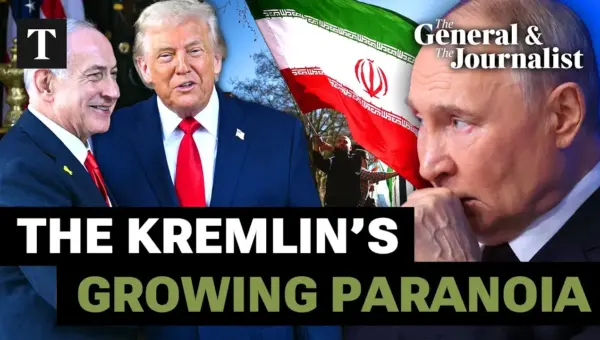
Kremlin Shakes: Elite Discontent Fuels Putin’s Paranoia
Internal turmoil and paranoia are reportedly gripping the Kremlin as President Putin faces growing elite discontent and the realities of the Ukraine war. Meanwhile, Russia's strategic involvement in the Iran conflict highlights complex calculations and potential risks, even as a wider global war remains unlikely.
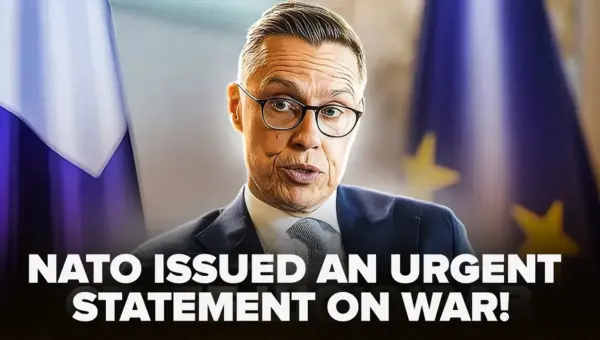
Ukraine Strikes Russian Oil Refinery, Eyes Iran Threat
Ukrainian forces struck a key Russian oil refinery, disrupting Moscow's war capabilities. Meanwhile, Finland's president urged continued U.S. support for Ukraine, as Kyiv shares its air defense expertise globally amid growing geopolitical complexities involving Iran and potential sanctions against Hungary.

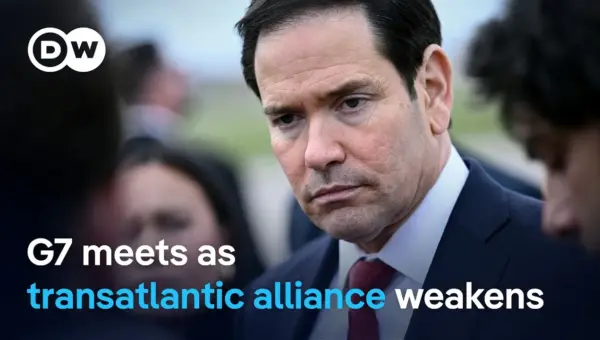
G7 Allies Clash Over Iran War Strategy, Urge Focus on Russia
G7 foreign ministers met in Paris, revealing deep divisions over the U.S. war with Iran. European allies urged the U.S. to pressure Russia, linking its actions to the conflict and fearing support for Ukraine will wane.