US Guns Fuel Deadly Cartel Violence in Mexico
An estimated 80% of weapons seized from Mexican cartels originate in the U.S., fueling widespread violence. These firearms, legally purchased in America, are smuggled south through sophisticated networks, overwhelming Mexican security forces and displacing communities. Experts call for stronger U.S. oversight of its arms industry and smuggling networks to break the cycle.


US Guns Fuel Deadly Cartel Violence in Mexico
In a grim testament to the intertwined nature of cross-border crime, an estimated 80% of the weapons seized from organized crime members in Mexico over the past 18 months originate from the United States. These firearms, ranging from handguns to high-powered semi-automatic rifles capable of downing helicopters, are not only bolstering the power of Mexican cartels but are also a significant driver of the pervasive violence gripping the nation. While political rhetoric in the U.S. has sometimes focused on striking cartels directly, the flow of American-made weapons into Mexico represents a critical, yet often overlooked, facet of the ongoing crisis.
A Torrent of Firearms Across the Border
The scale of the weapon smuggling is staggering. While precise figures are elusive, recent studies suggest a middle-range estimate of around 135,000 weapons crossing the U.S.-Mexico border annually. These arms are acquired legally within the United States, purchased at gun shops or major retailers like Walmart. The epicenter of these purchases often lies in border states with less stringent gun control laws, such as Texas and Arizona, but sales have been documented across the nation, even in more restrictive states like California.
The individuals purchasing these weapons are typically not direct cartel members. Instead, they are often unwitting participants, lured by financial incentives. According to insights from the ground, individuals are approached by associates within their network—friends, cousins, or boyfriends—and offered sums of money, ranging from $100 to $1,000 depending on the firearm, to make legal purchases. These individuals, acting as straw purchasers, then hand the weapons over to cartel affiliates.
Sophisticated Smuggling Networks
Once acquired, these firearms embark on their journey south, often through regular border crossings. Smugglers employ ingenious methods to conceal their illicit cargo. Vehicles are frequently modified with secret compartments, particularly within door panels. Alternatively, auxiliary gas tanks can be ingeniously repurposed to house dozens of assault rifles, such as AK-47s, undetected by routine inspections.
“These guns are then handed over to cartel affiliates who smuggle them into Mexico through regular border crossings. Often they are hidden in vehicles. So for example, you can create secret compartments in vehicle doors. You can have an auxiliary tank for gas and in that tank you can have like 20 or 30 or 40 AK-47s.”
Empowering Cartels, Endangering Mexico
Upon arrival in Mexico, these U.S.-sourced weapons become instruments of terror and control. They are integral to the cartels’ capacity to wage war against rival organizations, enforce extortion rackets, and engage in deadly shootouts with Mexican security forces. The firepower at the cartels’ disposal frequently overwhelms that of law enforcement, creating a dangerous imbalance that perpetuates violence and instability.
The Mexican government has consistently appealed to the United States to take more decisive action to curb this flow of illicit arms. However, experts argue that current U.S. efforts are insufficient. The focus on border inspections, while necessary, is often likened to searching for a needle in a haystack, failing to address the root causes of the problem.
Seeking Effective Solutions
To break the cycle of violence, a more comprehensive approach is advocated by those familiar with the issue. This includes dismantling sophisticated smuggling networks operating on both sides of the border and implementing greater oversight of the arms industry within the U.S. to prevent weapons from falling into the wrong hands in the first place.
“The guns that we allow to be smuggled south, they are implicated in drug trafficking. They are implicated in violence in Mexico that then makes so many people flee their communities for their own safety, become asylum seekers on the border. It’s in a big interest of the United States to actually um make sure that there is less gun trafficking to Mexico. And yeah, I just hope they realize.”
The implications of unchecked arms trafficking extend far beyond Mexico’s borders. The violence fueled by these weapons displaces communities, leading to increased migration and asylum claims at the U.S. southern border. Addressing the issue of gun smuggling is therefore presented not just as a matter of international cooperation, but as a vital national interest for the United States itself.
What’s Next?
The ongoing debate over gun control and border security in the United States, coupled with Mexico’s persistent calls for action, suggests that this issue will remain a critical point of contention in bilateral relations. Future developments will likely hinge on whether U.S. policy shifts towards more robust measures targeting arms trafficking networks and domestic gun sales, and the extent to which Mexico’s pleas for stronger U.S. cooperation are heeded.
Source: US weapons fuel cartel violence in Mexico | DW News (YouTube)

Related Articles

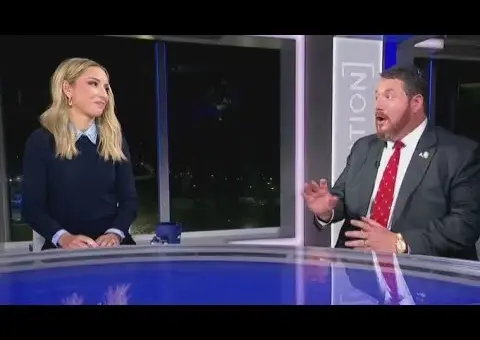
House Republicans Reject Senate Deal, Sparking Government Funding Clash
House Republicans have rejected a Senate bill to end the government shutdown, citing insufficient border security measures. Congressman Randy Fine called the Senate deal a "disgrace" and highlighted the ongoing fight for full government funding. President Trump's executive order to pay TSA agents offers temporary relief, but the core disagreement over border security continues to paralyze Washington.
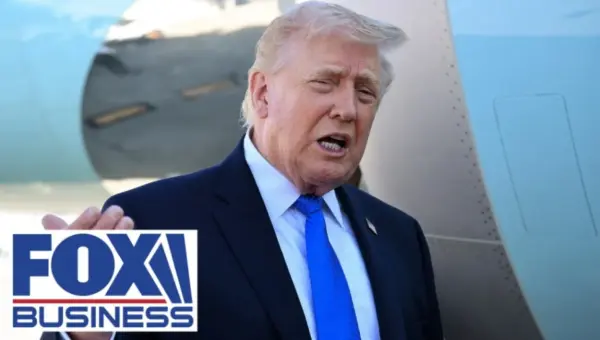
House Rejects Senate Bill, Citing Border Security Funding Gaps
House Republicans are rejecting a Senate funding bill, arguing it lacks essential appropriations for ICE and CBP, threatening anti-trafficking efforts and border security. They plan to pass a short-term measure to force renewed negotiations.

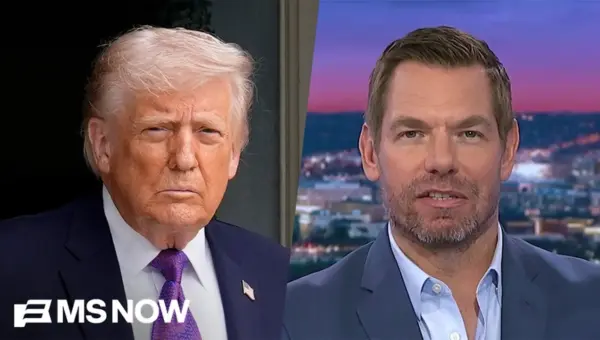
Trump’s Iran War Plans Criticized Amid Border Funding Standoff
Lawmakers and analysts are criticizing the Trump administration's handling of the Iran conflict and its approach to border funding, arguing that a lack of clear planning and a focus on political battles are making the U.S. less safe. Concerns are particularly high regarding the FBI's priorities and the potential impact of these issues on national security.