Trump Demands Iran Action as Defense Spending Soars
President Trump has called for decisive action against Iran amid escalating regional tensions and a significant cyberattack. The U.S. is preparing a $50 billion defense spending increase as Iran launches major attacks, while Congress grapples with funding amidst partisan divides.

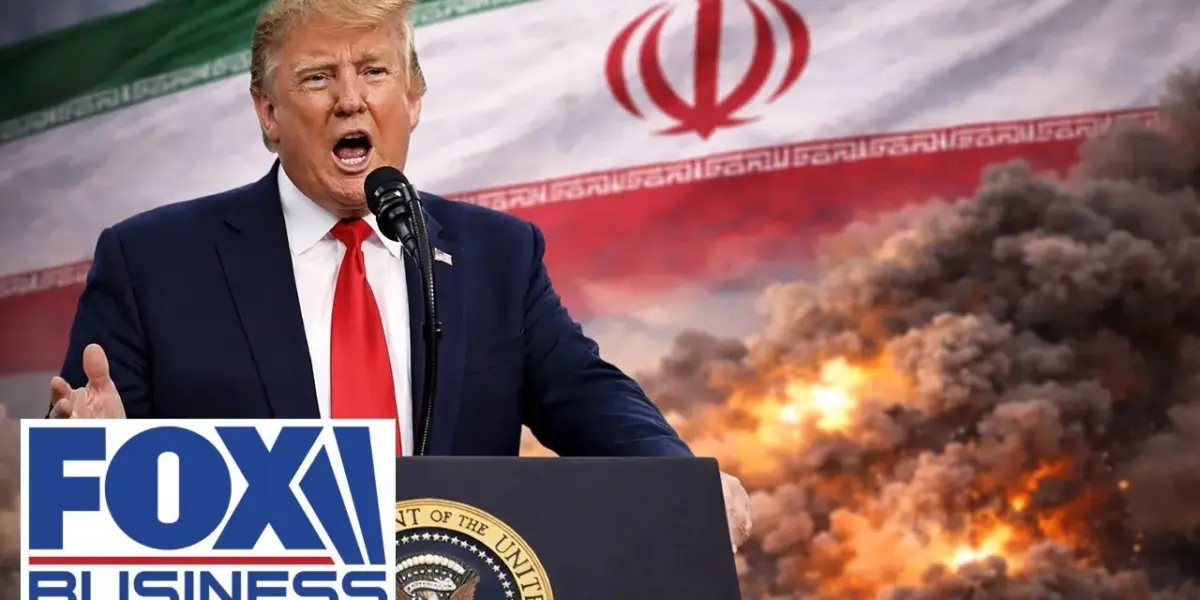
Trump Vows Decisive Action Against Iran Amid Escalating Tensions
President Trump issued a stark warning yesterday at a rally in Kentucky, declaring that the United States must decisively conclude its engagement with Iran to avoid prolonged conflict. His remarks come as Operation Epic Fury enters its thirteenth day, with American forces reportedly destroying Iranian aircraft and Tehran retaliating with a cyberattack against a U.S. medical technology company. The escalating situation has prompted a significant increase in defense spending requests, with the Pentagon seeking upwards of $50 billion.
Iran Launches Major Drone and Missile Attack; U.S. Boosts Defense Posture
Overnight, Iran unleashed a significant drone and missile attack on Bahrain, a move that underscores the widening regional instability. In response to these escalating threats, U.S. defense priorities are shifting dramatically. The Pentagon is preparing a substantial supplemental defense package, estimated at $50 billion, to bolster military capabilities. This request is seen as inevitable by House Speaker Mike Johnson, who emphasized the need for bipartisan cooperation in securing the necessary funding.
“We’re still in talking with the Pentagon. It’s very important that we work hand in glove and there’s a supplemental coming through… The American warfighter and American warfighter family needs to know that Congress will provide every single thing they need to properly stop this war in an effective manner.”
House Speaker Mike Johnson
Congressional Debate Over Defense Funding and Border Security
The proposed $50 billion defense package is generating debate within Congress. Congressman Dan Meuser, a member of the House Financial Services Committee, expressed support for the measure, highlighting its necessity in stabilizing the region and countering Iranian aggression. He contrasted the current approach with past administrations’ policies, which he characterized as appeasement. Meuser argued that decisive action now will yield immeasurable savings in both lives and financial resources in the long run, suggesting that failing to act would lead to a cyclical engagement with Iran every few years.
However, the defense funding discussions are occurring against a backdrop of intense partisan division, particularly concerning border security. The ongoing shutdown of the Department of Homeland Security, attributed by Republicans to Democratic opposition, has become a point of contention. Congressman Meuser criticized Democrats for opposing the DHS funding while simultaneously being open to a large defense budget, urging them to prioritize national security across all fronts. He stated, “DHS, we’re here about drones coming for California. The Coast Guard is shut down. Department of Homeland Security is shut down because of Democrats. American people need to make calls to Representative and say Start thinking with your right side of your brain.”
Senate Gears Up for ‘Save America Act’ Amidst Funding Battles
Meanwhile, the Senate is preparing for marathon sessions on the ‘Save America Act,’ a legislative effort aimed at addressing national security and potentially other key issues. Senator Thune faces a challenging task in garnering the necessary votes to advance the bill, with discussions ongoing about incorporating provisions from the Farm Bill and disaster relief to broaden support. The act’s proponents, including President Trump, are pushing for its passage, emphasizing the need for measures such as voter ID requirements to ensure election integrity.
The legislative battles highlight the complex interplay between defense spending, border security, and broader policy initiatives. The urgency of the situation in the Middle East and the financial implications of sustained conflict are driving the push for increased defense appropriations. The upcoming Senate sessions will be critical in determining the fate of the ‘Save America Act’ and its potential impact on national security and domestic policy.
Broader Implications and Future Outlook
The current geopolitical climate, marked by heightened tensions with Iran and the looming threat of cyber warfare, necessitates a robust and well-funded defense apparatus. The proposed $50 billion supplemental package represents a significant investment aimed at deterring aggression and protecting U.S. interests abroad. The concurrent debates in Congress over defense spending, border security, and other legislative priorities underscore the multifaceted challenges facing the nation. As the situation in the Middle East continues to evolve, attention will remain focused on the Pentagon’s requests, the outcomes of legislative negotiations, and the administration’s strategic response to the growing threats.
Source: 'TOTALLY GONE': Trump sounds off as Iran tensions fuel MAJOR defense increase (YouTube)

Related Articles


US Cardinal’s Papal Upset Redraws Vatican Influence
Pope Francis's election defied expectations, including his own, as an American cardinal believed an "American" Pope was unthinkable. The swift conclave surprised many, highlighting the unpredictable nature of papal selections and signaling a potential shift in the Church's global direction.


Mexico Navigates US-China Rivalry
Mexico is caught in a geopolitical tug-of-war between the United States and China. The nation must carefully balance its economic needs and strategic interests with both superpowers. This situation highlights Mexico's growing importance in global affairs.
Iran-Backed Houthis Strike Israel, Escalating Regional Tensions
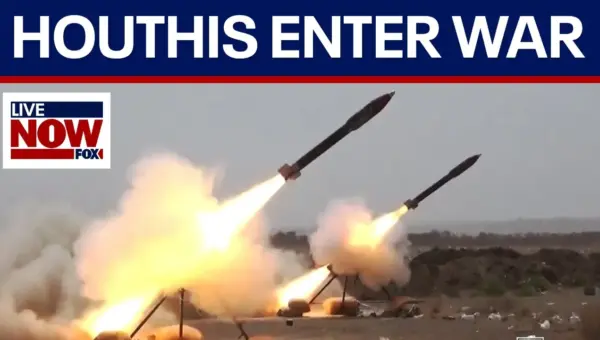
Iran-backed Houthi rebels have launched a missile attack targeting Israel, marking their first such strike since the current Middle East conflict began. The Israeli military confirmed the interception of the projectile. Analysts view this action as part of Iran's broader regional strategy, highlighting the regime's reliance on proxy forces amid internal weaknesses.