Moscow Blackout Fuels Coup Fears Amid Military Purge
Widespread internet blackouts in Moscow and St. Petersburg have ignited fears of internal instability and a military purge within Russia. Amidst shifting official explanations and a crackdown on independent news, citizens are relying on rumors of high-level dismissals and a deepening economic crisis fueled by Ukraine's strategic attacks.

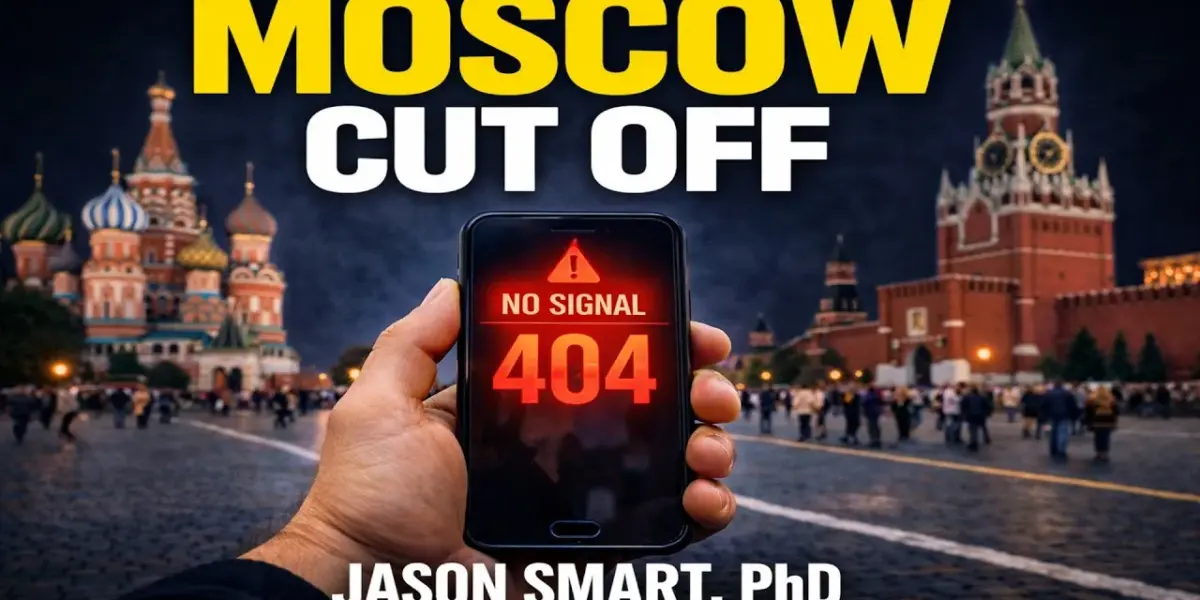
Moscow Plunged into Digital Darkness Amid Growing Instability
Moscow and St. Petersburg, Russia’s two largest cities, have been experiencing widespread internet blackouts, leaving millions of residents disconnected and fueling intense speculation about internal instability within the Russian government. The official explanations for the disruptions have shifted from routine maintenance to security purposes, failing to quell a rapidly spreading anxiety among the population. Simultaneously, the government’s crackdown on Telegram, a primary source of independent news, has intensified, forcing citizens to rely on unconfirmed whispers about a potential purge reaching the highest echelons of the military and the ‘old guard’ seeking to exit the current political landscape.
Unprecedented Internet Restrictions Grip Major Cities
For days, Moscow, a metropolis of 13 million, has been largely cut off from the internet. The situation mirrored in St. Petersburg, home to 5.6 million, since March 9th, has created a ‘fog of darkness’ over these major urban centers. Authorities attribute the outages to ‘external restrictions beyond their control,’ a claim that experts and observers widely dispute, asserting that the government itself has intentionally turned off the internet. This drastic measure, affecting the two largest cities, has drawn parallels to the treatment of border towns near the front lines of conflict. The economic toll of such restrictions is staggering, with an estimated 37,166 hours of internet access lost last year due to similar measures impacting 63 regions daily, costing the Russian economy over $12 billion. The scale of these economic disruptions makes the ‘maintenance’ explanation highly improbable.
Whispers of Purges and Internal Strife
The pervasive silence and lack of clear information from the authorities have become a breeding ground for rumors. The most significant whispers suggest a purge targeting top military officials, with former Minister of Defense Shoygu and his circle reportedly facing potential imprisonment. The timing of these alleged purges coincides with escalating Ukrainian strikes deep within Russian territory, raising questions about the internal pressures and potential vulnerabilities within the Kremlin. Dr. Jason Smart, a special correspondent and national security adviser with two decades of experience studying the Putin regime, notes that such widespread fear and speculation are uncommon in Russia, indicating a significant internal crisis. “The government has gone so far to censor that we can’t know everything they say because even Telegram, they censor what has been said,” Dr. Smart observed, highlighting the extent of the information control.
Ukraine’s Strategy: Targeting Russia’s War Chest
Beyond internal turmoil, Ukraine’s strategic targeting of Russian energy infrastructure is inflicting significant economic damage, directly impacting Moscow’s ability to fund the war. Ukrainian attacks have hit Russian energy facilities 120 times, with 81 targeting oil refineries. This has cost the Russian economy an estimated $13 billion in direct damage, causing pipeline deliveries to refineries to fall to their lowest levels in 15 years. This strategy aims to turn battlefield pressure into budget pressure, crippling the financial resources necessary for the ongoing conflict. As noted by various analysts, even pro-Kremlin voices are struggling to justify the war’s prolonged nature and Russia’s diminishing successes.
“The longer that this war drags on, the harder the exhaustion is to disguise as patriotism.”
Military Exhaustion and Systemic Rot
The war’s toll is also evident within the Russian military itself. Reports suggest widespread despair and fatigue, exacerbated by a command system characterized by abuse and humiliation, leading to a lack of soldier morale. Comments from figures like Daniil Bezsonov highlight deep-seated issues within the Russian military structure, suggesting that a system built on fear, lies, and corruption is ultimately unsustainable. Recent Ukrainian strikes, including those using Storm Shadow missiles on a facility crucial for producing drone and missile components, have further hampered Russia’s military capabilities. The loss of approximately 400 km of territory liberated by Ukraine in February 2026, marking the first month since 2023 where Russia lost more ground than it gained, underscores these challenges.
Economic Strain and Regional Deficits
The economic consequences of the war and sanctions are becoming increasingly apparent across Russia. The federal budget deficit has surged, with January’s deficit reaching $22 billion and climbing to 91% of the annual planned deficit by March 10th. This rapid depletion of funds, coupled with a 47% year-over-year drop in oil and gas revenues, paints a grim picture of Russia’s financial health. Compounding these national-level issues, regional economies are also struggling. Out of 85 regions, 74 are reportedly running deficits, forcing local authorities to implement staff reductions and cut investments. Moscow’s own revenue growth fell significantly short of projections, necessitating a 15% staff reduction and a 10% cut in investments.
Internal Power Struggles and Shifting Alliances
Amidst the mounting crises, internal power struggles within Moscow appear to be intensifying. Prominent figures associated with the Putin regime, such as Vladislav Surkov, an ideologue credited with shaping ‘Putinism,’ are rumored to have fled the country. The potential arrest of former Defense Minister Shoygu, following the detention of his deputy, signals a broader shake-up within the defense establishment. Rival factions, like the one led by National Guard chief Viktor Zolotov, are reportedly consolidating power and moving against potential opposition. The rise of figures like Alexander Dugin, a nationalist with a growing following, further complicates the political landscape, suggesting a potential shift in the Kremlin’s power dynamics.
Echoes of 1991 and International Isolation
The current atmosphere of uncertainty and government obfuscation has drawn comparisons to the 1991 Soviet coup attempt, when the broadcast of ‘Swan Lake’ became a symbol of a government attempting to hide an unexplainable crisis. The FSB’s ability to cut off internet access at will, empowered by recent legislation signed by Putin, raises concerns about the permanence of these emergency measures. Internationally, Russia’s diplomatic standing is also strained. Kremlin spokesman Dmitry Peskov’s dismissal of international law and emphasis on ‘raw capabilities’ reflect a growing isolation. The recent deletion of hundreds of thousands of Russian troll accounts by platforms like Twitter further illustrates Moscow’s diminishing influence in shaping global narratives.
A Convergence of Crises
The confluence of multiple crises – Ukraine’s effective strategy targeting Russia’s war funding, the growing fatigue and disillusionment within the military and among pro-Kremlin voices, severe economic strain, internal power struggles, and increasing international isolation – creates a volatile situation for the Russian leadership. The widespread internet blackouts in major cities are not merely technical disruptions but potent symbols of a regime grappling with unprecedented challenges. The current darkness in Moscow and St. Petersburg may foreshadow a much larger political and economic storm for Russia.
Source: Moscow's Blackout As Coup Chatter Explodes (YouTube)

Related Articles
Ukraine Strikes Russian Oil Refinery, Eyes Iran Threat
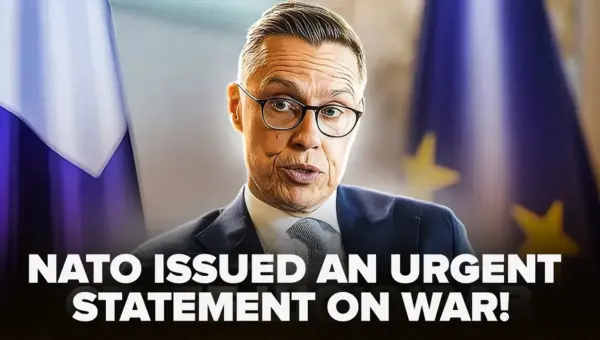
Ukrainian forces struck a key Russian oil refinery, disrupting Moscow's war capabilities. Meanwhile, Finland's president urged continued U.S. support for Ukraine, as Kyiv shares its air defense expertise globally amid growing geopolitical complexities involving Iran and potential sanctions against Hungary.

US Weighs Shifting Ukraine Weapons to Iran Amid Missile Shortage
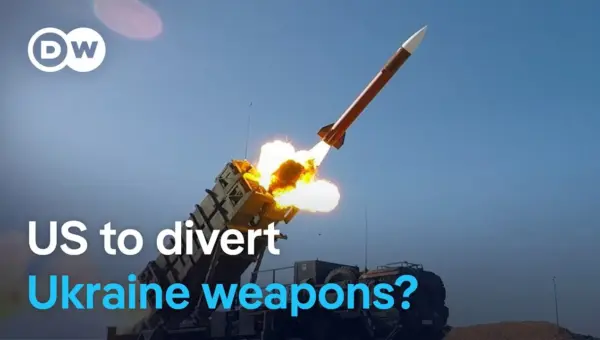
The U.S. is reportedly considering diverting weapons destined for Ukraine to support operations against Iran, driven by rapidly depleted missile stocks. This potential shift raises concerns about Ukraine's defense capabilities and highlights the complex interplay between global conflicts.

G7 Allies Clash Over Iran War Strategy, Urge Focus on Russia
G7 foreign ministers met in Paris, revealing deep divisions over the U.S. war with Iran. European allies urged the U.S. to pressure Russia, linking its actions to the conflict and fearing support for Ukraine will wane.