Economist Warns Trump Risks Alienating Voters on Affordability
Economists warn that dismissing Americans' concerns about rising costs, from gas to mortgages, puts political leaders at significant risk. Farmers are also feeling the pinch from soaring fertilizer and labor costs, potentially leading to voter apathy.

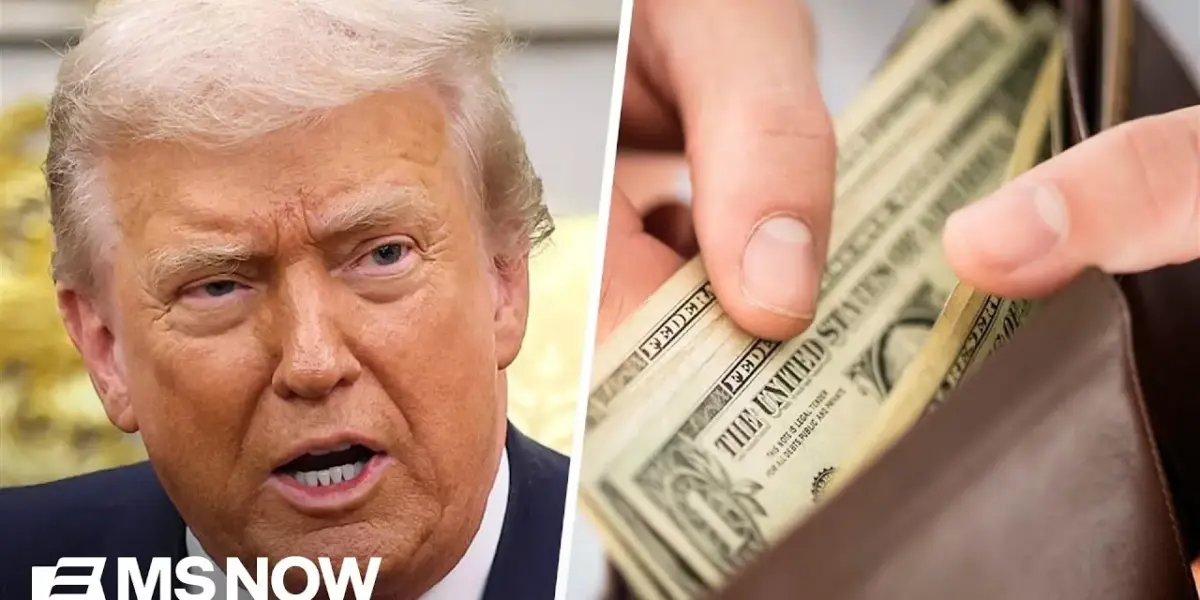
Economist Warns Trump Risks Alienating Voters on Affordability
An economist is sounding the alarm, suggesting that former President Donald Trump is “at great risk” by dismissing the growing concerns of Americans regarding affordability, particularly the rising cost of everyday essentials like gasoline and mortgages. This warning comes as geopolitical events and economic pressures converge, impacting household budgets and potentially reshaping the political landscape.
Rising Costs Fuel Voter Discontent
The sentiment highlights a critical disconnect between political rhetoric and the lived experiences of many Americans. While official narratives may suggest economic stability or even progress, the daily reality for consumers is marked by increasing prices at the pump, a resurgence in mortgage rates above 6%, and the cascading effect of higher energy costs on groceries.
Jared Bernstein, formerly the chair of President Biden’s Council of Economic Advisers, articulated the challenge, stating, “The president, once again, is at great risk in dismissing the affordability concerns of most Americans, in this case, the price at the pump. But, you know, Chris, it goes beyond that. I just noticed that the mortgage rate is back above 6% and notably so.” He further explained the interconnectedness of these economic factors: “Higher energy costs also bleed into higher grocery costs. So, yes, gas at the pump is the most prominent affordability concern that’s springing out of this.”
The price of oil, a key indicator for fuel costs, has seen a significant jump, reaching $95 a barrel and contributing to an approximate 19-cent increase per gallon at the pump. This trend is moving “hard in the wrong direction in terms of affordability,” Bernstein noted.
Beyond Gas Prices: A Wider Economic Strain
The affordability crisis extends beyond fuel. Farmers in key agricultural regions, such as Hellam Township, Pennsylvania, are facing a double blow from rising costs. Paul McDuffie, reporting from the ground, spoke with farmers who are grappling not only with increased gasoline prices but also with soaring fertilizer costs.
Mike Flinchbaugh, a fourth-generation farm owner, detailed the impact of global supply chain disruptions, particularly those affecting fertilizer that passes through critical shipping lanes like the Strait of Hormuz. “We’re hearing quotes of prices being up since the war started about 15 to 25 percent everywhere they were before they started. It’s going to affect our margins on our grain crops would grow, especially corn,” Flinchbaugh stated. He estimates a potential 7 to 8-cent increase in the cost of producing corn, forcing farmers to consider contingency plans.
Compounding these issues for the agricultural sector is a shortage of seasonal workers, a problem exacerbated by immigration policy challenges. This labor deficit further strains farm operations and impacts their profitability.
Political Ramifications and Shifting Alliances
Sam Stein, Managing Editor of The Bulwark and an MSNBC contributor, emphasized the political dangers for any leader perceived as out of touch with these economic realities. “If they are speaking out and they are speaking out, there is a real danger for Trump that at some point he’ll lose the narrative here among his followers,” Stein observed, referencing criticism from influential figures like Joe Rogan, Steve Bannon, Megyn Kelly, and Tucker Carlson, who have voiced opposition to foreign entanglements and a perceived break from campaign promises.
Stein warned that poll numbers might reflect “soft support” and that a continuation of high prices or negative developments abroad could lead Trump’s base to heed the criticisms from these prominent voices. This could erode his political standing, particularly if he struggles to present a convincing alternative on affordability.
Bernstein agreed, noting that Trump’s past policies, such as tariffs, have already contributed to making life more expensive for Americans. “Trump was already on his back foot when it came to affordability, which he sort of dismissed every other day or so. And he’s really had a hard time putting forth anything convincing to the American people on that issue,” he said.
The Risk of Voter Apathy
The repercussions of economic hardship could extend beyond a simple shift in party allegiance. Stein suggested that a more significant risk, especially in midterm elections where Trump is not on the ballot, is voter apathy. “The problem might not be that these farmers suddenly turn and support Democrats. Right. It could be that they just get so disenchanted that they don’t engage at all,” he cautioned.
This disengagement could be particularly impactful among less politically organized segments of the population, such as the followers of figures like Joe Rogan. If these individuals perceive that their economic concerns are being ignored and that political promises are unfulfilled, they may opt out of the electoral process altogether. “We voted for something specific in 2024. It didn’t come. They are going to be fine. What’s the point of engaging now?” Stein posited as a potential sentiment.
Denial and Miscommunication: A Communication Breakdown
Adding to the complexity is the perceived disconnect between official pronouncements and public perception regarding economic trends. A Reuters poll indicated that 67% of people expect gas prices to worsen, a sentiment starkly contrasting with optimistic projections from some officials.
Bernstein criticized the strategy of attempting to persuade the public that rising prices are falling, calling it a “big mistake” and an “uncharacteristic” approach for a communicator generally seen as effective. “He’s tried to do something that I know from personal experiences is something you shouldn’t try to do, which is try to talk Americans into believing that up is down, that prices are going down. When they drive down the street in twice a block, they see a gas price that’s up literally 22 percent from where it was a month ago. People know that, they know which way is up and you can’t convince them otherwise,” he explained.
While the White House explores interventions like waiving the Jones Act to alleviate energy price pressures, the fundamental solution—ending the conflict contributing to oil price instability—remains elusive. Even if conflicts were to resolve quickly, the economic effects, such as the “rocket and feather” phenomenon where prices rise quickly and fall slowly, would mean that relief would not be immediate. This leaves leaders facing a significant challenge, with Bernstein concluding, “He’s got real problem on this front and he’s in denial about them. And that’s going to hurt him.”
What’s Next
As economic pressures continue to mount, all eyes will be on how political leaders address the affordability crisis. The extent to which voters perceive their concerns are being heard and acted upon will likely be a defining factor in upcoming elections. The ability of campaigns to connect with the everyday economic struggles of Americans, beyond abstract economic indicators, will be crucial. Furthermore, the impact of global events on domestic prices and the effectiveness of policy interventions will remain key areas to monitor in the coming months.
Source: Trump is 'at great risk' in dismissing Americans' affordability concerns: Economist (YouTube)

Related Articles
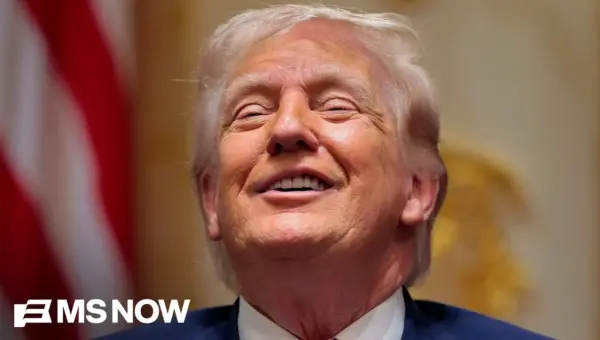
Trump’s Name Everywhere: A ‘Stain’ on GOP Legacy?
Former President Donald Trump's efforts to brand national symbols, including a proposed signature on dollar bills, spark debate. Critics view this as an authoritarian attempt to embed his legacy, potentially staining the Republican Party's history and contrasting with democratic ideals of public ownership.

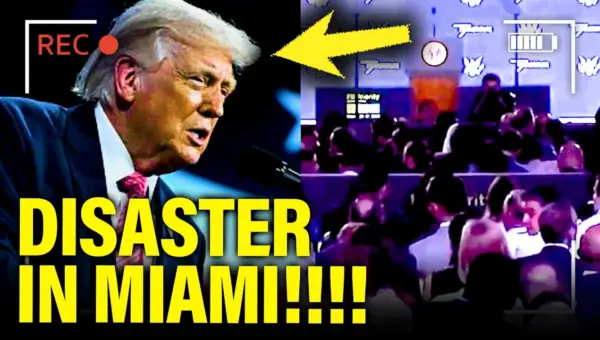
Trump’s War Talk Stuns Financial Crowd
Donald Trump's recent speech in Miami focused on his foreign policy, particularly his critical views on NATO and his vision for international relations. He declared the U.S. would no longer defend NATO allies, questioned the value of existing alliances, and suggested renaming the Strait of Hormuz. The speech also touched on his personal views of success, his allies, and his perceived role as a global peacemaker.
Trump’s Warpath: New Threats Signal Imperial Ambitions
Recent statements from Donald Trump reveal a potential embrace of increased military action and interventionist foreign policy. This approach, characterized by critics as "imperialism 2.0," contrasts with his past promises of peace and has even drawn criticism from parts of his own base. The implications for U.S. global engagement and domestic priorities are significant.