US Mideast Policy Ignites Global Fury, Economic Pain
US military actions in the Middle East are sparking global outrage and economic hardship, according to a critical analysis. The piece argues that U.S. policy has backfired, uniting Iran against perceived aggression and imposing a "war tax" on the world. It questions the human cost and diplomatic efficacy of these interventions.

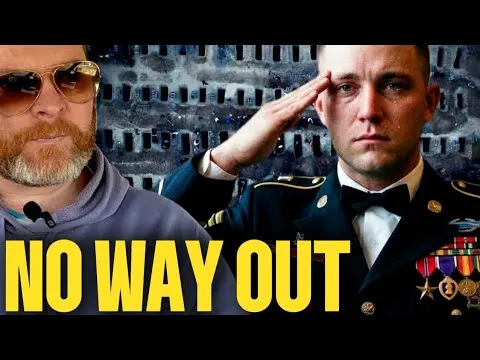
US Actions in Middle East Spark Global Backlash
Recent U.S. military actions in the Middle East, particularly concerning Iran, have drawn widespread condemnation from international allies and ignited a firestorm of global consequences. The narrative emerging from some quarters is that U.S. foreign policy has become a destabilizing force, pushing allies into a position of horrified observation and implicating them in actions they do not condone. This perspective argues that the U.S. has effectively “gone rogue,” leading the world to bear the economic and social costs of its assertive, and some would say reckless, approach.
The Human Cost of Conflict
At the heart of the criticism lies the devastating human toll of these military engagements. The transcript paints a grim picture, citing specific instances of civilian casualties, including a 7-year-old girl killed by a U.S. Tomahawk missile that struck her elementary school, along with 167 other victims in the same incident. The narrative questions the moral standing of those who claim to support the Iranian people while simultaneously offering European bases to U.S. “killing machines.” Furthermore, accusations of complicity extend to the alleged use of chemical warfare by Israel, resulting in toxic fires and “black rain” that could cause cancers for decades. The damage to centuries-old cultural heritage in cities like Galistan and Chahel Sautun is also highlighted as a tragic byproduct of Western bombing campaigns, a stark contrast to the promised delivery of democracy.
Galvanizing an Enemy
A central argument presented is that U.S. actions have inadvertently achieved the opposite of their intended effect. Instead of weakening the Iranian regime, the aggression has reportedly “galvanized Iran against a foreign invader.” The United States, in this view, has become the “great evil” that Iran’s leadership has long portrayed it to be. The transcript suggests that prior to these escalations, there was palpable support for internal change within Iran, and America had an opportunity to foster this movement. However, by resorting to military strikes that reportedly pulverized civilian areas and killed the families of top officials, including the new Supreme Leader’s infant niece and young grandson, the U.S. has fostered a sense of national unity through shared grief and trauma. This “trauma bonding,” the argument goes, has united the Iranian populace against a common enemy, leaving them with “nothing to lose” and resolute in their defiance.
Whitewashing the Truth: A Media Critique
The analysis sharply criticizes mainstream American media for allegedly “whitewashing” the realities of the conflict. While acknowledging that “people die in war,” the transcript insists on the importance of understanding how these deaths are perceived by the population of the targeted nation. It posits that the U.S. media downplays the severity of casualties, presenting a sanitized version of events that fails to resonate with the lived experiences of those affected. The narrative highlights the discrepancy between the U.S. administration’s stated goals—such as encouraging the Iranian people to rise up against their government—and the reality of civilians suffering alongside elites. The assertion that President Trump intends to “completely destroy” Iran, leaving it with no ability to recover, is presented as a chilling prospect that fuels Iranian resistance rather than capitulation.
The Unseen Wounds of American Soldiers
Beyond the international repercussions, the transcript also sheds light on the often-underreported consequences for American service members. It challenges the official U.S. narrative of military injuries, labeling the downplaying of casualties as a “crime against the American public and a crime against my brothers and sisters in the military.” The author draws on personal experience, detailing the long-term, debilitating effects of traumatic brain injuries (TBI), anxiety, PTSD, and physical amputations, which are dismissed as “minor injuries” by the media. This critique extends to the government’s approach to veteran care, noting the irony of supporting veterans while simultaneously cutting personnel at the VA, thus jeopardizing the adequate healthcare that these individuals have earned through their service in what are termed “corporate wars.” The intergenerational impact of military service and injury, with the author’s father and grandfather both suffering from war-related wounds, underscores a deep-seated critique of America’s perpetual state of conflict.
Global Economic Repercussions and the “War Tax”
The analysis contends that the current geopolitical climate, driven by U.S. actions, has imposed a “war tax” on the global population. The disruption of oil tanker routes and drone attacks on critical infrastructure in the Gulf States have led to soaring energy costs. Many Asian nations, heavily reliant on oil from the Middle East, are now facing exorbitant prices or depleting strategic reserves. This economic strain is felt most acutely by the “common working class all over the world,” who are forced to absorb the costs of refilling reserves and dealing with inflated prices. The transcript argues that this “sociopathic policy” prioritizes the elimination of perceived “bad actors” over the well-being of global citizens, driven by a potentially biased perception of who constitutes a threat.
A Failure of Diplomacy and Empathy
The core of the critique is a profound disillusionment with American exceptionalism and a perceived failure in diplomatic strategy. The author posits that the U.S. often believes its intelligence and understanding of global affairs surpass that of nations and actors with decades of regional experience. This arrogance, it is argued, leads to decisions that alienate allies and provoke adversaries. The transcript references warnings from Qatar about the catastrophic results of unchecked escalation in the region, framing the current situation as a predictable outcome that could have been avoided had the U.S. listened to its allies. The message from Qatar is presented as an “I told you so” moment, highlighting the dangers of moving from negotiation to battlefield without de-escalation.
Future Outlook: A World in Peril
The outlook presented is bleak, suggesting that the world is entering a “new chapter of hardship” due to the actions of a single nation. The author, identifying as an American veteran and father, expresses deep personal anguish over his country’s role in causing “irrevocable harm.” The interconnectedness of global systems is emphasized, with disruptions in the Middle East impacting everything from oil prices to the cost of basic foodstuffs like fertilizer, feed, and ultimately, beef and eggs. The transcript concludes by lamenting that the consequences of these actions will be borne by future generations, including the author’s son, for what is perceived as avoidable adventurism driven by “brute ignorance and selfishness and fear and pettiness.” The hope for a peaceful resolution is diminished, replaced by the grim reality of a world paying a steep price for a conflict that, in the author’s view, could have been prevented through more empathetic and collaborative diplomacy.
Why This Matters
This analysis is crucial because it challenges the dominant Western media narrative surrounding U.S. foreign policy in the Middle East. It argues that U.S. actions, far from promoting stability or democracy, are instead fueling regional instability, causing immense human suffering, and creating a global economic burden. The piece highlights the importance of considering the perspective of those directly affected by military actions and questions the efficacy and morality of a policy that prioritizes military might over diplomacy and empathy. It serves as a potent reminder that geopolitical decisions have far-reaching consequences, impacting not only the immediate region but also global economies and the lives of ordinary citizens worldwide, particularly the working class and future generations who will inherit the fallout.
Implications, Trends, and Future Outlook
The implications of the scenario described are profound. The U.S. is portrayed as increasingly isolated, alienating its traditional allies and fostering widespread resentment. The trend is towards a more volatile and interconnected global economy susceptible to geopolitical shocks. The future outlook suggests a prolonged period of instability, economic hardship, and a potential erosion of international cooperation, all stemming from a perceived unilateral and heavy-handed U.S. approach. The reliance on military solutions over diplomatic engagement is presented as a dangerous path that could lead to a perpetual cycle of conflict and retribution, leaving future generations to pay the price.
Historical Context and Background
The transcript implicitly references a long history of U.S. involvement and intervention in the Middle East, dating back decades. Events in countries like Iraq, Libya, and Syria are cited as precedents where U.S. military interventions failed to deliver promised democracy and instead resulted in chaos and destruction. This historical pattern suggests a recurring critique of American foreign policy’s effectiveness and unintended consequences. The current escalation with Iran can be seen as a continuation of this complex and often fraught relationship, exacerbated by shifting regional dynamics and a perceived shift in U.S. foreign policy under recent administrations, characterized by a more assertive and less multilateral approach.
Source: The U.S. Went Rogue (And the World is Making You Pay) (YouTube)

Related Articles
Markets Wobble as Geopolitics Shift Dramatically
Global markets are showing volatility as geopolitical tensions rise, with the Nasdaq nearing correction territory. Concerns over consumer spending, rising costs, and the nation's fiscal health are intensifying. Analysts debate whether current events represent short-term market noise or a fundamental "reinvention of geopolitics" with long-term implications.

Pope Leo XIV Shifts Vatican’s Global Focus
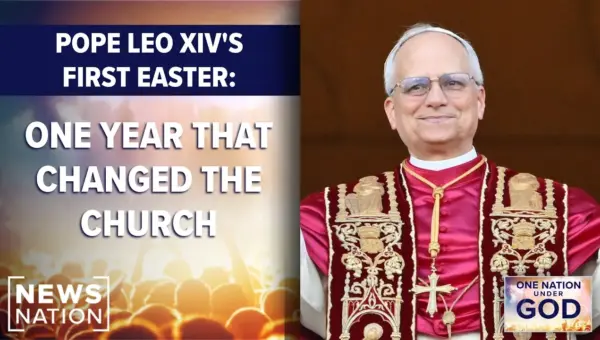
Pope Leo XIV, the first American pope, brings a unique multicultural background and extensive missionary experience to the Vatican. His election signals a potential shift in the Church's global focus, with an emphasis on peace and contemporary issues like artificial intelligence.
Saudi Prince Pushes Trump Toward Iran War Escalation
Saudi Crown Prince Mohammed bin Salman is reportedly urging President Trump to escalate attacks on Iran, pushing for strikes on its energy infrastructure. This strategy would likely harm ordinary Iranians while benefiting Saudi economic interests and the U.S. military-industrial complex. The situation highlights concerns over foreign influence on U.S. foreign policy and the human cost of conflict.