Iran’s Proxy Network Weakens Amid Regional Strife
Iran's long-standing network of regional proxies, known as the "Axis of Resistance," is facing unprecedented strain due to Israeli and American military actions and internal challenges. Key allies like Hamas and the Houthis are weakened, while Hezbollah, though still Iran's strongest backer, has suffered significant leadership losses and faces declining domestic support.


Iran’s Proxy Network Faces Unprecedented Strain
For decades, Iran has cultivated a complex network of allied militias across the Middle East, a strategy designed to project power and deter conflict from reaching its own soil. These groups, primarily Shia Muslim and united by a shared anti-Israel and anti-US ideology, refer to themselves as the “Axis of Resistance.” Western nations, including the United States and Israel, label these entities as “proxies” or a “Ring of Fire” and have designated key players like Hamas in the Palestinian territories, the Houthis in Yemen, and Hezbollah in Lebanon as terror organizations. However, recent escalations and internal challenges have severely tested the efficacy and reliability of this long-standing strategic pillar.
Decades of Investment Under Threat
Iran’s investment in its proxy forces has been a cornerstone of its regional policy, involving significant funding and extensive training. This approach aimed to create a buffer zone, allowing Tehran to engage adversaries indirectly. The Islamic Revolutionary Guard Corps (IRGC) has been instrumental in coordinating this network. Yet, a series of targeted air strikes by both American and Israeli forces, including actions that have resulted in the deaths of key Iranian figures, have significantly degraded Iran’s ability to control these allied groups. The loss of IRGC commanders has weakened the central coordination, leaving the network more vulnerable and less cohesive.
Key Proxies Grapple With Internal and External Pressures
The effectiveness of Iran’s proxies has been demonstrably impacted by their own internal struggles and the direct consequences of regional conflicts. Hamas, once a significant force in the Palestinian territories, has been substantially weakened by the ongoing war with Israel in Gaza. The extensive military operations have diminished its capacity and operational reach.
Similarly, the Houthi militia in Yemen, despite pronouncements of readiness, has not escalated attacks against Israel or significantly disrupted Red Sea shipping in the same manner seen in response to the Gaza conflict. This relative restraint, following earlier actions, suggests a shift in their operational focus or capacity, potentially influenced by the broader regional dynamics and the risks involved.
Hezbollah: The Crown Jewel Under Siege
Hezbollah in Lebanon has long been considered the most potent and strategically vital component of Iran’s Axis of Resistance. The group has a history of engaging Israeli forces, with tensions escalating sharply after October 7th, 2023. This period saw intense Israeli retaliation, including significant air strikes in 2024. The conflict culminated in the Israeli air strike that killed Hezbollah leader Hassan Nasrallah in Beirut.
Despite these devastating losses and the weakening of its leadership, Hezbollah remains Iran’s strongest regional ally. Analysts suggest the group, deeply intertwined with the IRGC, was motivated to respond to the killing of Nasrallah and perhaps preempt anticipated Israeli actions. The group did manage to fire rockets at Israel shortly after the conflict began. However, Hezbollah is reportedly facing declining support within Lebanon, raising questions about its long-term capacity to sustain its confrontational stance against Israel.
A Shaky Axis of Resistance
While Iran is not entirely isolated, its vaunted Axis of Resistance is exhibiting significant signs of strain. The weakening of key components like Hamas and the Houthi, coupled with the severe blow to Hezbollah’s leadership and potential domestic challenges, suggests that Iran’s ability to project power through its proxies has been compromised. The network, once a formidable deterrent and tool of influence, is now facing its most significant test.
Looking Ahead
The coming months will be crucial in determining the future resilience of Iran’s proxy network. Attention will be focused on whether Hezbollah can regroup and maintain its operational tempo against Israel, and if the Houthis will re-engage more assertively in regional conflicts. The ability of Iran to adapt its strategy in the face of these setbacks will also be a key factor to monitor as the geopolitical landscape continues to evolve.
Source: Can Iran rely on its proxy forces? | DW News (YouTube)

Related Articles

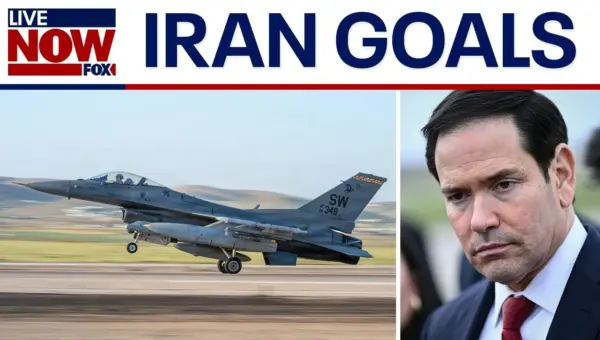
Rubio: US Can Achieve Iran War Goals Without Troops
Senator Marco Rubio outlined a strategy to counter Iran without deploying U.S. ground troops, focusing on weakening the regime and enhancing maritime security. He also criticized Cuba's economic system and expressed concerns about West Bank violence.


Israelis Forge Resilience Amidst Constant Bomb Shelter Drills
Life in Israel is a blend of resilience and constant vigilance, with many families adapting to frequent bomb shelter drills and even sleeping in makeshift shelters. Despite ongoing missile attacks, Israelis strive to maintain normalcy, though businesses face disruption and emotional fatigue is a growing concern.

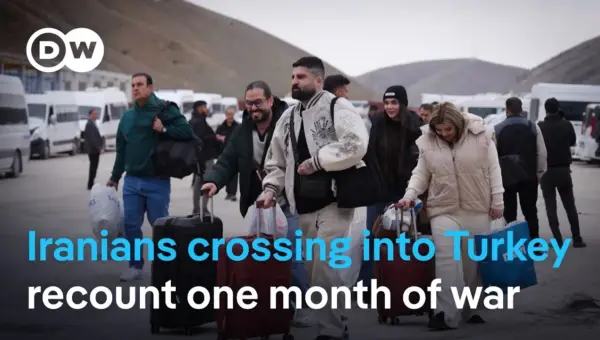
Iran War Exodus: Refugees Flee to Turkey Amidst Bombings
A train from Tehran brings refugees to Turkey, fleeing daily bombings and economic collapse. Many express deep fear for loved ones left behind, while some hold onto national pride and hope for victory. The conflict's impact is also felt economically in Turkey, with rising gas prices.