Iran Conflict Fuels Gas Price Hikes, Imperils GOP Midterm Hopes
Rising gas prices, fueled by the conflict in Iran, are creating economic headwinds for American consumers and posing a significant challenge to Republican midterm election prospects. Democrats are poised to capitalize on the situation as the conflict's duration remains uncertain.

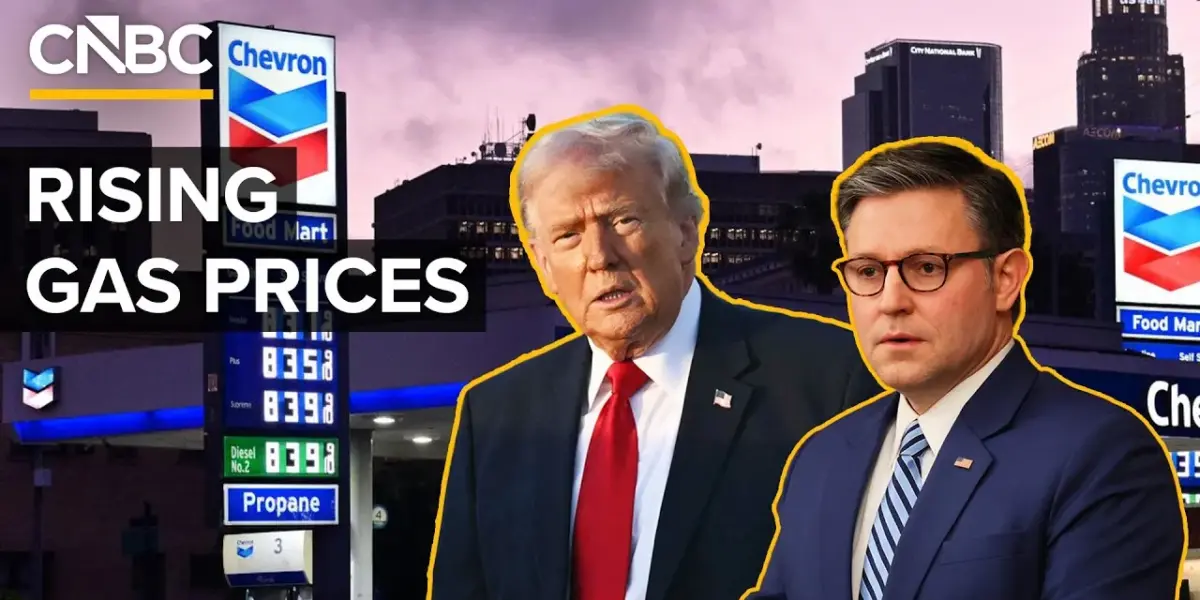
Iran Conflict Fuels Gas Price Hikes, Imperils GOP Midterm Hopes
The escalating conflict with Iran has sent shockwaves through global oil markets, driving a significant surge in gasoline prices and presenting a formidable challenge to Republican midterm election strategies. In the week following the bombing of Iran, average gas prices have climbed between $0.50 and $0.60, a development that is already impacting American consumers and providing Democrats with a potent campaign issue.
While consumers allocate a smaller portion of their income to gasoline compared to other essential expenditures like food and housing, the visibility and immediate impact of gas prices make them a disproportionately sensitive economic indicator. This heightened sensitivity is particularly concerning for Republicans, as evidenced by their recent annual issues conference held at the Trump National Doral in Miami. Here, lawmakers echoed President Trump’s messaging, asserting that the military action was a necessary preventative measure against Iran’s nuclear ambitions and emphasizing their belief that the conflict would be short-lived, ultimately leading to lower oil and gas prices for American families.
Public Opinion and Political Crosscurrents
President Trump has articulated a dual rationale for the strike: it was a necessary preemptive action to prevent Iran from attacking the U.S. or its allies and to thwart its nuclear weapons program. Crucially, he has consistently stressed that the military engagement is not anticipated to be protracted. However, public sentiment, as captured by a Reuters-Ipsos poll released on March 9th, indicates a cautious reception. Only 29% of Americans expressed support for the war, a mere 2% increase since its inception.
Republican lawmakers are largely aligning with the President’s talking points, attempting to frame the current economic pressures as a temporary consequence of necessary foreign policy. While acknowledging the public’s concern over rising gas costs, many GOP representatives maintain that the long-term security benefits outweigh the short-term economic pain. Some lawmakers have pointed out that despite the recent increase, gas prices remain over a dollar lower than they were during the Biden administration, expressing hope that the spike is temporary.
Democratic Strategy and Economic Vulnerabilities
Democrats, conversely, have adopted a more skeptical stance regarding the conflict’s duration and are actively highlighting the economic ramifications. They are focusing on the role of blockades in the Strait of Hormuz in driving up gas prices and are poised to leverage any sustained increase as a key point of contention in the upcoming elections. The Democratic narrative suggests that the war could be prolonged, leading to continued economic pressure on households.
The political calculus for both parties hinges on the trajectory of the Iran conflict and its impact on the economy. If the military engagement concludes swiftly, within a few weeks, the narrative of the midterm elections is likely to revolve around broader economic themes such as affordability and the general state of the economy, potentially influenced by any significant news emerging in the late summer or fall.
Long-Term Implications and Investor Considerations
However, a prolonged conflict, characterized by further military engagement, potential loss of life, ongoing deployments, and requests for congressional funding, could shift public opinion. In such a scenario, a growing segment of the American populace might question the rationale and cost of continued involvement in Iran. This could translate into a significant political liability for the incumbent party and its allies.
Market Impact: The immediate impact on financial markets includes increased volatility in energy commodities, particularly crude oil and gasoline futures. Geopolitical tensions often lead to a risk premium being priced into oil, affecting transportation, logistics, and consumer spending across various sectors. Companies reliant on stable energy prices, such as airlines and shipping firms, face increased operational costs. Conversely, energy producers may benefit from higher prices, though this can be offset by potential demand destruction if prices remain elevated for an extended period.
What Investors Should Know: Investors are closely monitoring the geopolitical developments and their economic fallout. The duration and intensity of the conflict in Iran will be critical determinants of sustained energy price levels. A prolonged conflict could exacerbate inflationary pressures, leading central banks to maintain or even increase interest rates, which could impact equity markets. Conversely, a swift resolution might ease these pressures. Investors should consider the potential for increased energy costs to affect corporate earnings, particularly in consumer discretionary sectors, and evaluate the resilience of portfolios against potential supply chain disruptions and inflationary shocks. The upcoming midterm elections add another layer of uncertainty, as potential shifts in political power could influence economic policy and regulatory landscapes.
Source: How Trump’s Iran War And Rising Gas Prices Threaten Republican Midterm Plans (YouTube)

Related Articles


US Cardinal’s Papal Upset Redraws Vatican Influence
Pope Francis's election defied expectations, including his own, as an American cardinal believed an "American" Pope was unthinkable. The swift conclave surprised many, highlighting the unpredictable nature of papal selections and signaling a potential shift in the Church's global direction.


Bannon’s Airport Plan Hints at Election Intimidation Tactics
Steve Bannon suggested using ICE presence at airports as a 'test run' for deploying agents at 2026 midterm polling stations. This controversial idea raises concerns about voter intimidation and the potential suppression of legitimate votes, particularly among minority communities. Critics question the premise and highlight the legal and ethical implications of such tactics.


Mexico Navigates US-China Rivalry
Mexico is caught in a geopolitical tug-of-war between the United States and China. The nation must carefully balance its economic needs and strategic interests with both superpowers. This situation highlights Mexico's growing importance in global affairs.