Russia Suffers Major Troop Losses Amidst Shifting War Dynamics
Russia is reportedly losing more soldiers monthly than it can recruit, signaling a significant manpower crisis and degrading its war-fighting capabilities. Meanwhile, Ukraine is enhancing its drone warfare expertise, becoming a sought-after global expert in countering threats like Iranian Shahed drones.

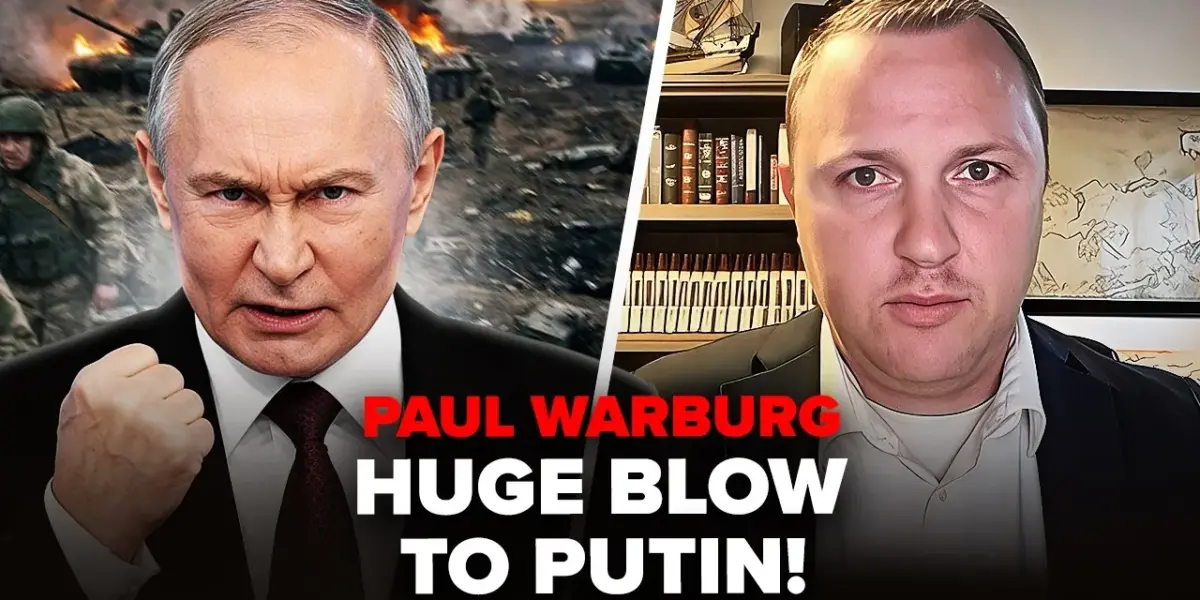
Russia’s Military Struggles as Troop Losses Outpace Recruitment
In a stark assessment of the ongoing conflict in Ukraine, geopolitical analyst Paul Warborg has highlighted significant challenges facing the Russian military. The war, now described as a war of attrition for Russia, is characterized by dwindling resources and a critical deficit in manpower. Warborg states that Russia is currently losing more soldiers on a monthly basis than it can recruit, a trend that steadily degrades its capacity to wage war.
This manpower crisis is compounded by Russia’s diminishing ability to acquire essential military supplies. While not yet depleted, key resources are becoming increasingly scarce, impacting the effectiveness of Russian operations. Conversely, Ukraine’s military capabilities are seen as growing daily, bolstered by advancements in technology and strategic focus.
Ukraine’s Strategic Advantage in Drone Warfare
The conflict has also revealed a significant strategic advantage for Ukraine in the realm of drone warfare. The increasing use of Iranian Shahed drones by Russia has presented challenges, particularly for Western nations relying on expensive interceptor missiles like the Patriot system. A single Patriot missile can cost approximately $4 million, while a Shahed drone costs between $20,000 and $50,000.
This stark cost disparity highlights the limitations of traditional, high-cost military hardware against a swarm of less expensive, yet overwhelming, weaponry. Ukraine, having developed expertise in countering these drones with more affordable interceptor drones, has become a global expert in this new form of warfare.
“When you understand the specifics here, it’s really important because the United States has very good Patriot interceptor missiles and other interceptor missiles… But these are limited in numbers even for the United States. They’re very expensive… while a Shawhead drone might cost somewhere between 20,000 and $50,000.”
This expertise has led to Ukraine receiving requests for assistance from various nations, including Gulf countries facing similar threats from Iranian drones. Warborg suggests that Ukraine could potentially leverage this expertise, possibly trading drone technology and knowledge for vital military supplies, such as Patriot missiles, which remain crucial for combating aerial threats like aircraft.
Geopolitical Ramifications and Shifting Alliances
The war in Ukraine is increasingly intertwined with global geopolitical dynamics, particularly in light of recent events in the Middle East. The conflict between Iran and other nations has had ripple effects, with some analysts suggesting potential benefits for Russia, such as temporary increases in oil prices. However, Warborg argues these benefits are largely overstated and limited.
He points out that even if global oil prices rise, Russia’s ability to profit is constrained by international sanctions and its reduced leverage over buyers. Furthermore, the conflict in the Middle East has inadvertently weakened Russia’s ties with Iran, a key supplier of Shahed drones. The disruption of this supply chain is expected to significantly hamper Russia’s drone production capabilities, a tactic increasingly relied upon due to its struggles on the front lines.
Economic Strain on Russia
Economically, Russia’s ability to sustain the war effort is facing considerable strain. The country has relied on tactics such as building a large war chest before the conflict and employing preemptive inflation to mask its deficit. However, these strategies are showing signs of faltering.
Russia has been forced to triple its budget deficit projections for 2026, and these projections are based on an optimistic assumption of $66 per barrel for Russian oil. This economic pressure is also evident in the reduced military recruitment bonuses being offered in certain regions, particularly those with non-ethnic Russian populations. This reduction in incentives, coupled with a dwindling pool of willing recruits, exacerbates Russia’s manpower crisis.
Ukraine’s Growing Strength and Future Prospects
In contrast to Russia’s struggles, Ukraine’s military capabilities are demonstrably improving. The nation has had time to build fortified defensive positions, increasing its resilience. Advancements in drone warfare and the emerging use of ground robotics are enhancing Ukraine’s combat effectiveness while potentially lowering casualty rates.
The international community’s support for Ukraine is also strengthening, exemplified by initiatives like Europe’s €90 billion loan. This support is driven by a mutual recognition of shared security interests, as European nations increasingly rely on Ukrainian drone technology for their own defense. This symbiotic relationship suggests a growing commitment to Ukraine’s victory and survival as a sovereign nation.
Uncertainty Surrounding the War’s End
Despite the clear disadvantages Russia faces, the end of the war remains uncertain. Warborg expresses skepticism about Russia’s willingness to genuinely end the conflict, particularly if the terms involve Ukraine ceding territory like the Donbas region. He suggests that any such offer might be a strategic maneuver to undermine international support for Ukraine, rather than a sincere desire for peace.
The analyst also touches upon the complexities of the US approach to the conflict, particularly regarding former President Trump’s stance. He attributes Trump’s skepticism towards Ukraine to a combination of personal history and an “America First” worldview that struggles to acknowledge the strengths of other nations. This dynamic, coupled with the inherent difficulties in achieving a lasting resolution in complex geopolitical situations like the one in Iran, underscores the unpredictable nature of the war’s trajectory.
Looking ahead, the sustainability of Russia’s military operations hinges on its ability to overcome its severe manpower shortages and resource constraints. Ukraine’s continued development of advanced defensive and offensive capabilities, supported by international partners, positions it to further challenge Russian advances. The global economic and geopolitical landscape will also play a crucial role in shaping the war’s eventual outcome.
Source: ⚡️Putin HIT by ally LOSS — Russian Army LOSSES soldiers than RECRUITS @WorldatStake24 (YouTube)

Related Articles

G7 Allies Clash Over Iran War Strategy, Urge Focus on Russia
G7 foreign ministers met in Paris, revealing deep divisions over the U.S. war with Iran. European allies urged the U.S. to pressure Russia, linking its actions to the conflict and fearing support for Ukraine will wane.

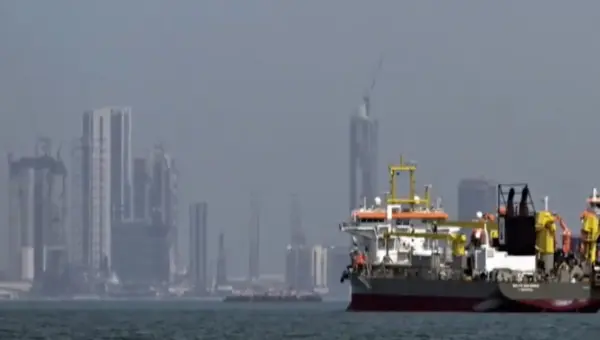
Iran Blocks China Ships, Exposing Beijing’s Weak Grip
Iran's recent decision to block Chinese ships at the Strait of Hormuz is exposing the limits of Beijing's influence in the Middle East. This action is causing delays and cancellations for Chinese manufacturers, turning a perceived geopolitical win into an economic strain.
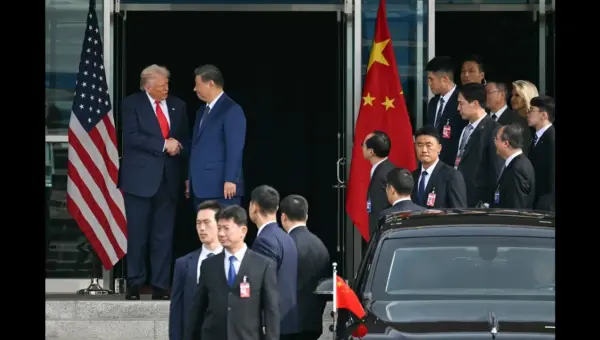
Trump’s “Walk Away” Tactic Signals Tougher Stance on China
Retired Air Force Brigadier General David Stillwell believes President Trump's strategy of being willing to walk away from negotiations puts pressure on China. This tactic, combined with US global actions and strengthened alliances, signals a more assertive American foreign policy.