Senator Murphy Slams Iran War as ‘Epic Disaster,’ Questions Goals
Senator Chris Murphy has described the ongoing conflict in Iran as an 'epic disaster,' questioning the Biden administration's incoherent war goals and the lack of clear national security benefits. He warned of escalating regional instability and economic turmoil due to Iran's control over the Strait of Hormuz.

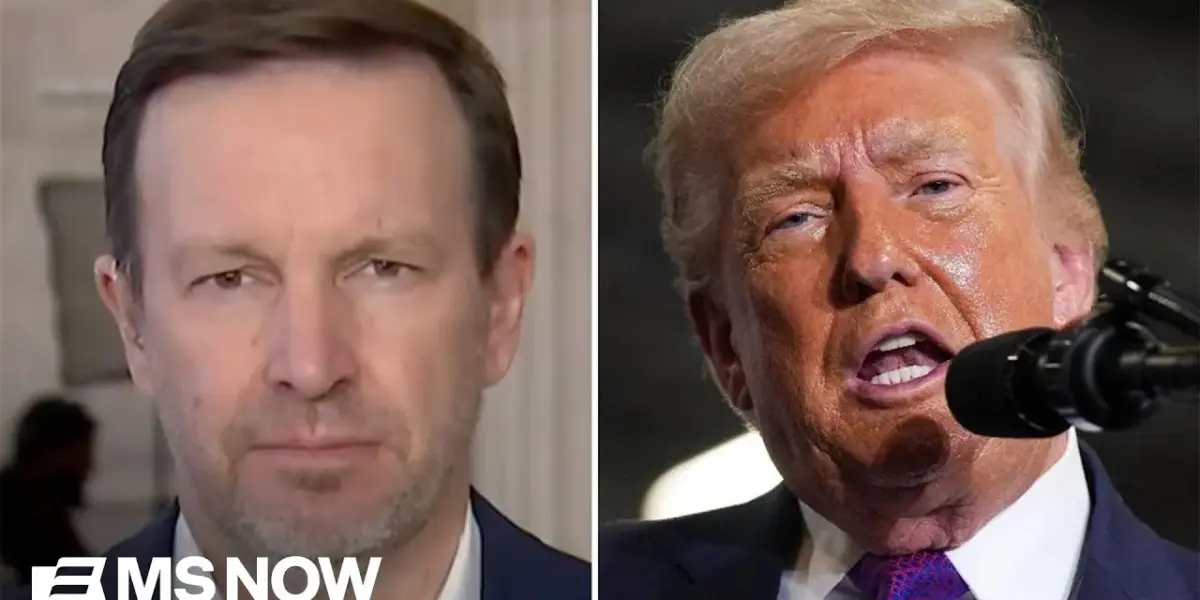
Senator Chris Murphy Criticizes Biden Administration’s Iran Strategy
WASHINGTON D.C. – Connecticut Senator Chris Murphy, a member of the Senate Foreign Relations Committee, has voiced strong criticism of the Biden administration’s ongoing military engagement in Iran, labeling the conflict an “epic disaster.” Speaking in the wake of classified briefings on the war, Murphy questioned the coherence of the administration’s objectives and the tangible benefits for U.S. national security, suggesting that the current strategy is exacerbating regional instability and harming the global economy.
Incoherent Objectives and Escalating Regional Crisis
During a recent interview, Senator Murphy highlighted significant discrepancies between public statements and the information presented in closed-door briefings concerning the war in Iran. He pointed out that while the administration has suggested actions are being taken against Iran’s nuclear program, officials in the briefing indicated that the nuclear program was not a target for strikes. Similarly, the stated goal of pursuing a more moderate regime in Iran was reportedly dismissed as not being a primary interest within the briefing.
Murphy further elaborated on the perceived futility of targeting Iran’s missile program, stating, “they can’t permanently bomb Iran and as soon as they stop bombing, Iran will start their missile program again.” This lack of clear, achievable goals, according to the Senator, contributes to the “incoherent” nature of the war effort, both publicly and behind the scenes.
The Senator emphasized the broader regional implications, noting that the entire region is “on fire.” He expressed concern that Iran is exporting more oil than ever before, leading to rising global prices and increased costs for consumers at home. “Why are we in this war? What are we getting out of it?” Murphy repeatedly asked, underscoring a perceived lack of demonstrable national security gains.
The Strait of Hormuz: A Critical Economic Chokepoint
A significant point of contention raised by Senator Murphy is Iran’s ability to control the Strait of Hormuz, a vital waterway through which a substantial portion of the world’s oil supply passes. “Iran can keep that strait closed essentially for as long as they want,” Murphy stated, explaining that this capability allows Iran to manipulate energy prices, potentially driving them from $100 a barrel to $200 a barrel, and “essentially shut down the global economy.”
The entire region is on fire. Iran is exporting more oil than ever before. Prices are going up. People at home are having to pay for the escalation. Why are we in this war? What are we getting out of it?
Senator Chris Murphy
Murphy expressed astonishment that the U.S. military, despite its significant resources, appears to lack a definitive answer to Iran’s control over this critical chokepoint. He questioned why U.S. naval vessels are not actively escorting tankers through the Strait, a move that could potentially mitigate the economic threat. However, he also acknowledged the complexities, noting that Iran’s capacity to deploy mines in the waterway presents a significant challenge that the U.S. military might not be able to overcome quickly enough.
Risk of Wider Conflict and Insurgency
Beyond the economic ramifications, Senator Murphy warned of the potential for a large-scale Shia insurgency in the region, fueled by the ongoing conflict. He expressed concern that military actions, particularly those affecting civilian populations, could inadvertently give rise to new terrorist groups with designs against the United States, both abroad and potentially within the homeland.
“When you’re bombing girl’s schools, when you are turning the entire Shia Crescent, it will give rise to terrorist will have designs against the United States,” Murphy stated, painting a grim picture of escalating radicalization. He argued that the current strategy risks creating a more dangerous environment, even as the administration claims success.
Questioning Military Spending and Strategy Effectiveness
The Senator drew a stark contrast between the United States’ massive annual military expenditure – exceeding that of every other country combined – and the perceived lack of strategic success in the Middle East. “Why are, did you get any explanation for why American naval ships aren’t escorting tankers in and out or through the Strait of Hormuz? Why can’t we take out you know, these Iranian ships or missiles that are threatening such a crucial waterway?” he asked, pointing to a potential disconnect between resources and outcomes.
Murphy suggested that the military’s inability to alter political realities in the region, despite decades of involvement and immense spending, points to fundamental flaws in strategy. He concluded that the current situation in the Strait of Hormuz, and indeed the broader conflict, represents a failure of planning and foresight, with many of the negative repercussions being “unfortunately foreseeable.”
As the conflict continues, the Biden administration faces increasing pressure to articulate a clear strategy and demonstrate tangible progress. Senator Murphy’s remarks highlight deep-seated concerns within Congress and among foreign policy experts regarding the efficacy and wisdom of the current approach to Iran, urging a re-evaluation of objectives and a path towards de-escalation.
Source: 'Epic disaster': Sen. Murphy asks 'Why are we in this war?' (YouTube)

Related Articles

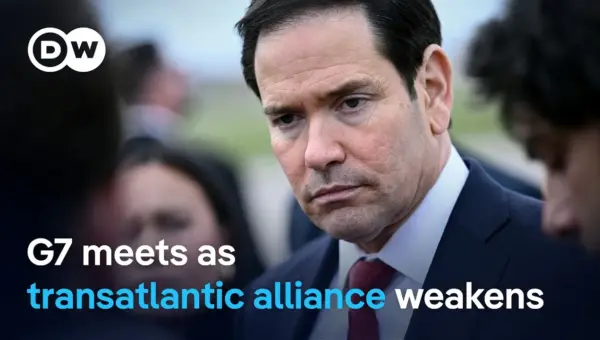
G7 Allies Clash Over Iran War Strategy, Urge Focus on Russia
G7 foreign ministers met in Paris, revealing deep divisions over the U.S. war with Iran. European allies urged the U.S. to pressure Russia, linking its actions to the conflict and fearing support for Ukraine will wane.


US Must Block China’s Tech Access for Security
US national security experts are raising alarms about China's access to advanced AI chips, arguing it threatens strategic advantages. This, coupled with charges against Chinese entities for fentanyl precursor sales and a ban on foreign routers, signals a growing effort to prioritize security over business ties.

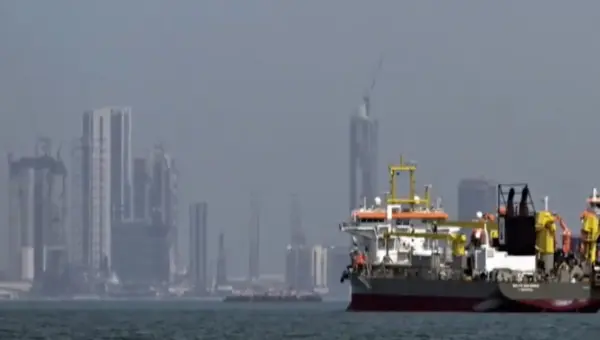
Iran Blocks China Ships, Exposing Beijing’s Weak Grip
Iran's recent decision to block Chinese ships at the Strait of Hormuz is exposing the limits of Beijing's influence in the Middle East. This action is causing delays and cancellations for Chinese manufacturers, turning a perceived geopolitical win into an economic strain.