Iran Vows Hormuz Closure, Escalates Regional Threats
Iran's new Supreme Leader has declared the Strait of Hormuz will remain closed and vowed further attacks on neighboring nations. This aggressive stance threatens global oil supplies and escalates regional tensions.

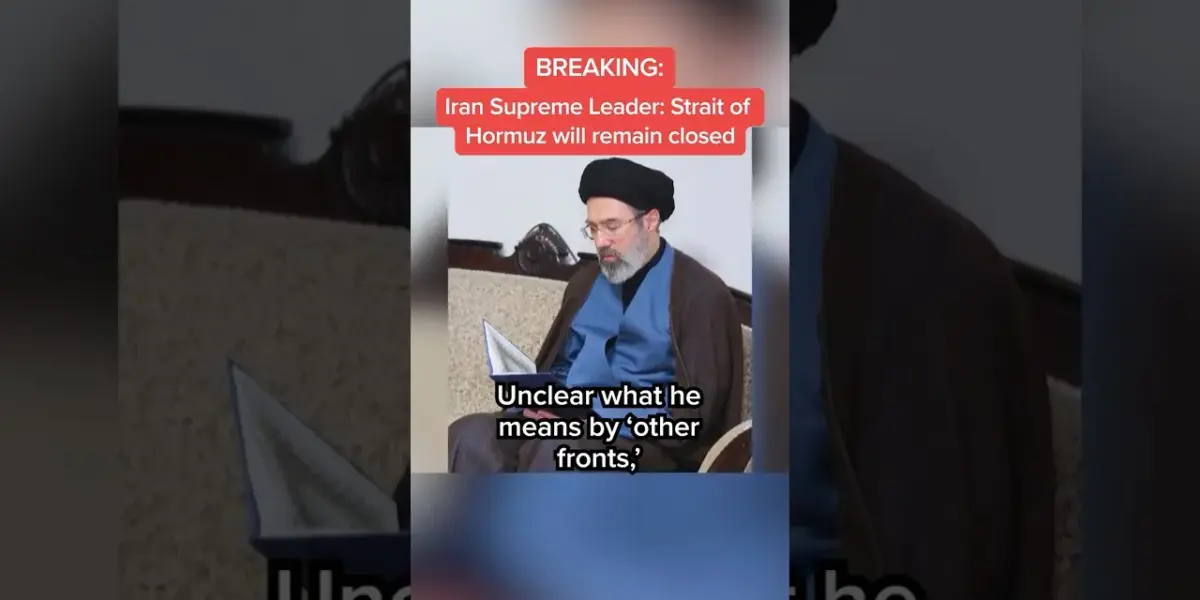
Iran’s New Supreme Leader Threatens Strait of Hormuz Closure, Regional Aggression
In a significant and potentially destabilizing declaration, Iran’s newly appointed Supreme Leader has publicly stated that the vital Strait of Hormuz will remain closed. This pronouncement, made in his first major public address, also includes vows of further attacks against neighboring nations, signaling a potentially aggressive new posture for the Islamic Republic on the international stage.
Strait of Hormuz: A Critical Global Chokepoint
The Strait of Hormuz, a narrow waterway connecting the Persian Gulf to the open ocean, is one of the world’s most critical maritime chokepoints. An estimated 20-30% of the world’s oil supply, including a significant portion of crude oil transported by sea, transits through this strategic passage daily. Any disruption to shipping in the Strait of Hormuz has the potential to cause immediate and severe spikes in global oil prices, impacting economies worldwide.
The Supreme Leader’s assertion that the Strait will “remain closed” is a direct challenge to international maritime law and the free flow of commerce. While Iran has previously threatened to close the Strait during periods of heightened tension with the international community, particularly the United States and its allies, this latest statement from the nation’s highest authority carries particular weight. It suggests a deliberate policy shift towards leveraging this strategic asset as a tool of coercion or conflict.
Escalating Rhetoric and Regional Ambitions
Beyond the direct threat to the Strait of Hormuz, the new Supreme Leader also pledged “more attacks on neighboring nations.” This rhetoric amplifies existing concerns about Iran’s regional influence and its ongoing support for proxy groups across the Middle East. For years, Iran has been accused of fueling instability through its backing of militias and political movements in countries such as Yemen, Syria, and Lebanon. This latest vow suggests a potential escalation of these covert and overt actions, further heightening regional tensions.
The specific targets and nature of these promised attacks remain unclear, but the statement indicates a willingness to employ aggressive tactics to achieve its foreign policy objectives. This could manifest as increased support for existing proxy forces, direct military provocations, or cyber warfare campaigns aimed at destabilizing regional rivals.
Implications for Global Security and Economy
The dual threats issued by Iran’s Supreme Leader carry profound implications for global security and the world economy. A closure of the Strait of Hormuz, even a partial or temporary one, would trigger immediate and significant volatility in global energy markets. Oil prices could surge, leading to increased inflation, reduced economic growth, and potential energy crises in import-dependent nations.
Geopolitically, the aggressive stance could lead to a dangerous escalation of conflict in the Middle East. Regional powers, particularly Saudi Arabia and the United Arab Emirates, as well as international players with significant interests in the region like the United States, will likely view these statements as a direct threat to their security and economic stability. This could prompt increased military readiness, diplomatic realignments, and potentially even preemptive actions.
The international community will be closely watching Iran’s actions in the coming days and weeks. The credibility of these threats hinges on Iran’s demonstrated capacity and willingness to follow through. However, the mere articulation of such intentions from the highest level of leadership serves to ratchet up pressure and uncertainty in an already volatile region.
Looking Ahead: A Tense Regional Landscape
The pronouncements from Iran’s new Supreme Leader mark a critical juncture. The coming days will be crucial in deciphering the immediate impact of these statements. Key areas to monitor include: the reaction from regional powers and international actors, any tangible military posturing by Iran or its adversaries, and the immediate effect on global oil markets. The world will be holding its breath to see if these threats translate into concrete actions that could plunge the Middle East into further turmoil.
Source: BREAKING: Iran Supreme Leader: Strait of Hormuz will remain closed (YouTube)

Related Articles

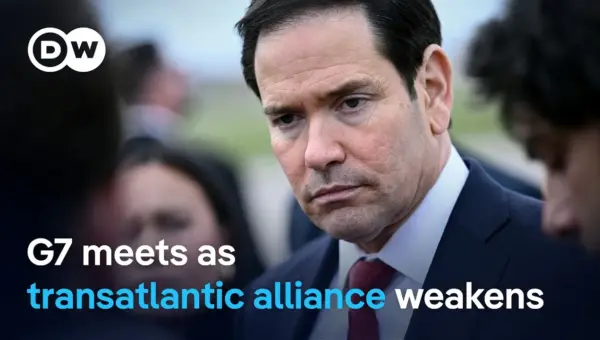
G7 Allies Clash Over Iran War Strategy, Urge Focus on Russia
G7 foreign ministers met in Paris, revealing deep divisions over the U.S. war with Iran. European allies urged the U.S. to pressure Russia, linking its actions to the conflict and fearing support for Ukraine will wane.
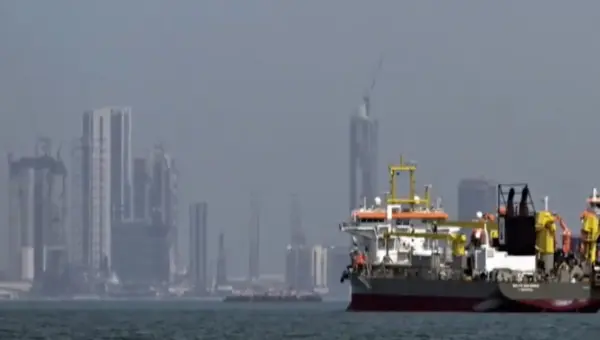
Iran Blocks China Ships, Exposing Beijing’s Weak Grip
Iran's recent decision to block Chinese ships at the Strait of Hormuz is exposing the limits of Beijing's influence in the Middle East. This action is causing delays and cancellations for Chinese manufacturers, turning a perceived geopolitical win into an economic strain.
Rubio: US Can Achieve Iran War Goals Without Troops
Senator Marco Rubio outlined a strategy to counter Iran without deploying U.S. ground troops, focusing on weakening the regime and enhancing maritime security. He also criticized Cuba's economic system and expressed concerns about West Bank violence.