Iran Crisis: Unbreathable Air, 1,300+ Dead Amid War
Iran is facing a severe crisis with over 1,300 confirmed deaths and unbreathable air due to strikes on fuel depots. A preliminary Pentagon inquiry suggests U.S. fault in a school attack that killed 170. The nation's new leader calls for unity amidst widespread fear and economic hardship.

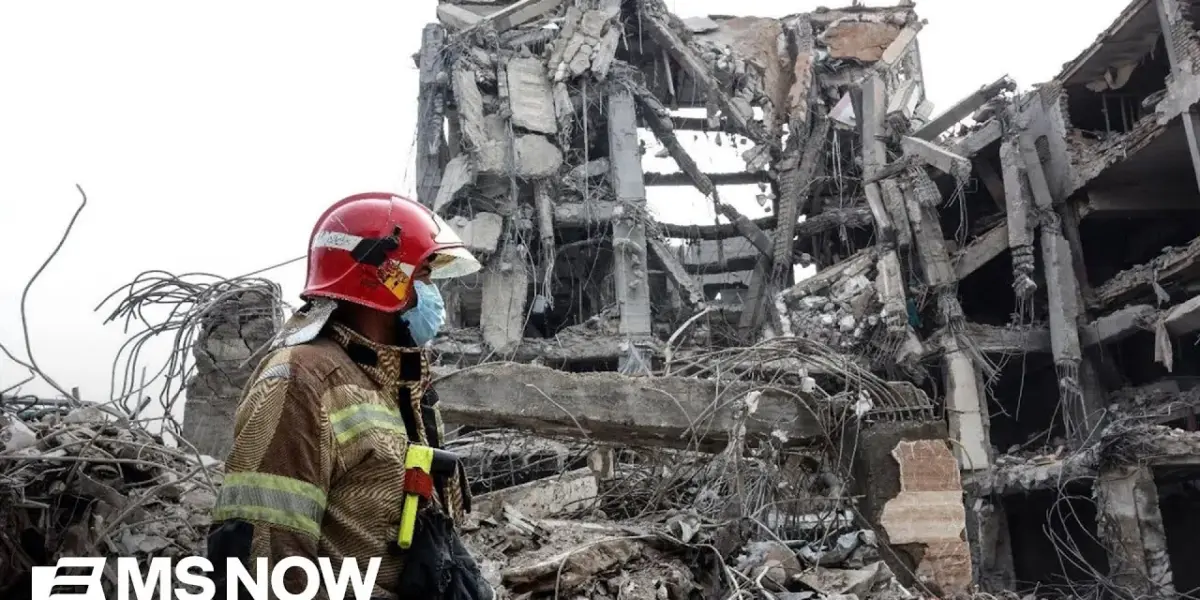
Iran Faces Grim Reality Amidst Escalating Conflict
Nearly two weeks into an ongoing war, Iran is grappling with a devastating crisis marked by widespread destruction, an alarming death toll, and critically compromised air quality. While U.S. President Trump has declared victory, the reality on the ground for millions of Iranians is one of fear, displacement, and an environment increasingly hostile to life. The conflict has not only claimed over 1,300 lives, according to Iranian officials, but has also inflicted severe damage on the nation’s infrastructure and cultural heritage.
Toxic Air Engulfs Cities After Fuel Depot Strikes
A significant consequence of the recent hostilities has been the unleashing of toxic smoke from targeted fuel depots. These strikes have rendered the air in vast areas of Iran unbreathable, posing a severe health risk to the population. The Ministry of Culture and Heritage has also reported extensive damage to invaluable heritage sites across the country, adding a layer of cultural loss to the human tragedy.
Pentagon Preliminary Inquiry Blames U.S. for School Strike
Adding to the grim toll, a preliminary inquiry from the Pentagon suggests U.S. forces may be responsible for a strike on a school that resulted in the deaths of at least 170 people, many of them children. This revelation underscores the devastating impact of the conflict on civilian populations and raises serious questions about the conduct of military operations.
New Leader Calls for Unity Amidst Uncertainty
In the midst of this turmoil, Iran’s new Supreme Leader has issued a statement calling for national unity. Reuters reported that the statement, read on state television, aims to project an image of normalcy and continuity following the transition of leadership. However, experts suggest the regime’s primary goal is to depict stability and encourage citizens to return to public life, despite the pervasive fear and disruption.
“At this moment the regime primarily wants to depict normalcy, continuity with the previous leader. They do want, they’re actually calling on people to come to the streets to in a sense acknowledge the new leader, the new leadership. They want people going to stores. They They want as much as possible to depict life as normal. But as you just correctly pointed out, life is not normal. There’s a lot of fear.”
– Aram Keshavarshan, Professor of Comparative Middle East Politics
A Divisive Figure in a Transitional Moment
The new Supreme Leader, who managed his father’s office and remained close to the security apparatus, was not a widely known public figure before assuming leadership. His relative obscurity, coupled with being a potentially divisive figure, presents a significant challenge. Professor Aram Keshavarshan, a comparative Middle East politics expert at NYU, notes that it could take months, if not years, for him to solidify his authority, a process complicated immensely by the ongoing war.
“He’s an unknown figure, but also somewhat of a divisive figure. So it’s going to take him months, if not years, to really cement his hold on power,” Keshavarshan explained. “This is really a transitional moment. Even if there was no war, it would be a challenging and transitional moment for the Islamic Republic. But this is obviously doubly so because of the ongoing war.”
War Suppresses Domestic Protests
The current conflict has had a profound impact on internal dissent within Iran. Prior to the war, society was deeply mobilized, with widespread protests against the regime. However, the war has effectively pushed this popular movement back. Fear of venturing into public spaces, combined with the regime’s ability to frame the situation as a national attack requiring unity, has led to the securitization of public areas.
“The war situation is in a sense push this movement, a popular movement back, not supported it,” Professor Keshavarshan stated. “Under war conditions, not only are people afraid to go out into the street, but the regime now can say the whole nation is under attack, we must unify, rally around the flag. And it’s going to use this war situation to securitize society, public spaces… that were places for Iranians to organize, to challenge the regime are now closed or monitored very closely.”
Economic Hardship Intensifies
Economic instability was a primary driver of the pre-war protests, with rampant inflation making survival a struggle for many Iranians. The current devastation is expected to exacerbate these economic challenges. A critical factor to monitor is the Islamic Republic’s capacity to manage the distribution of essential resources like food, electricity, and water amidst the conflict.
While initial reports suggest that stores remain stocked and basic utilities are functioning in the first twelve days of the conflict, the long-term sustainability of these provisions is uncertain. The implementation of a coupon system for goods is being observed, but its effectiveness in preventing scarcity remains to be seen. Disparities in functionality are anticipated, with the capital potentially faring better than smaller towns and provincial areas, where scarcity could trigger further unrest.
A Fluid and Uncertain Future
The situation in Iran remains fluid and uncertain, presenting immense daily challenges for its citizens. The war’s trajectory, the new leadership’s ability to consolidate power, and the nation’s capacity to withstand the economic and humanitarian fallout will be critical factors to watch in the coming weeks and months. The immediate focus for many Iranians remains survival, navigating a landscape fraught with environmental hazards, economic instability, and the pervasive shadow of conflict.
Source: Unbreathable air, death toll surpasses 1,300 – what it's like inside Iran right now (YouTube)

Related Articles


Iran Targets US With Cyberattacks, Escalating Digital Warfare
Iran is increasingly using cyberattacks to challenge the U.S., as seen in a recent hack of the FBI director's account. Experts say this is a strategic shift due to Iran's limitations in conventional warfare. The U.S. needs to strengthen its digital defenses, focusing on encryption and cloud computing, rather than solely relying on traditional security measures.
Ukraine Strikes Russian Oil Refinery, Eyes Iran Threat
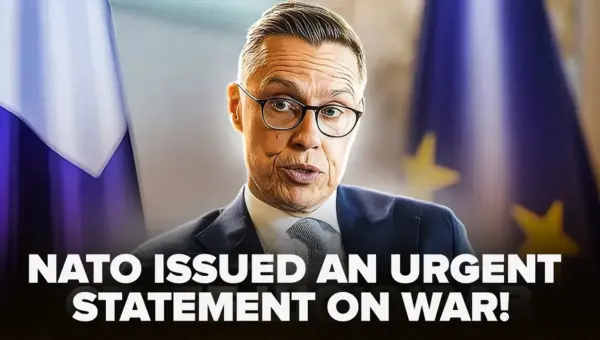
Ukrainian forces struck a key Russian oil refinery, disrupting Moscow's war capabilities. Meanwhile, Finland's president urged continued U.S. support for Ukraine, as Kyiv shares its air defense expertise globally amid growing geopolitical complexities involving Iran and potential sanctions against Hungary.

Iran’s Missile Threat Reduced by 90%, Analyst Says
An analyst reports that Operation Epic Fury has degraded Iran's missile launchers by 90%, despite challenges in targeting hidden sites. The conflict's duration and media coverage are also discussed, with implications for global energy markets and investor confidence.