Trump’s ‘Excursion’ Rhetoric Under Fire Amid Iran Conflict
MSNBC anchors Ali Velshi and Stephanie Ruhle fact-checked and criticized former President Donald Trump's description of the Iran conflict as an "excursion." They argued his casual language trivializes a serious geopolitical crisis and dismisses the rising death toll.

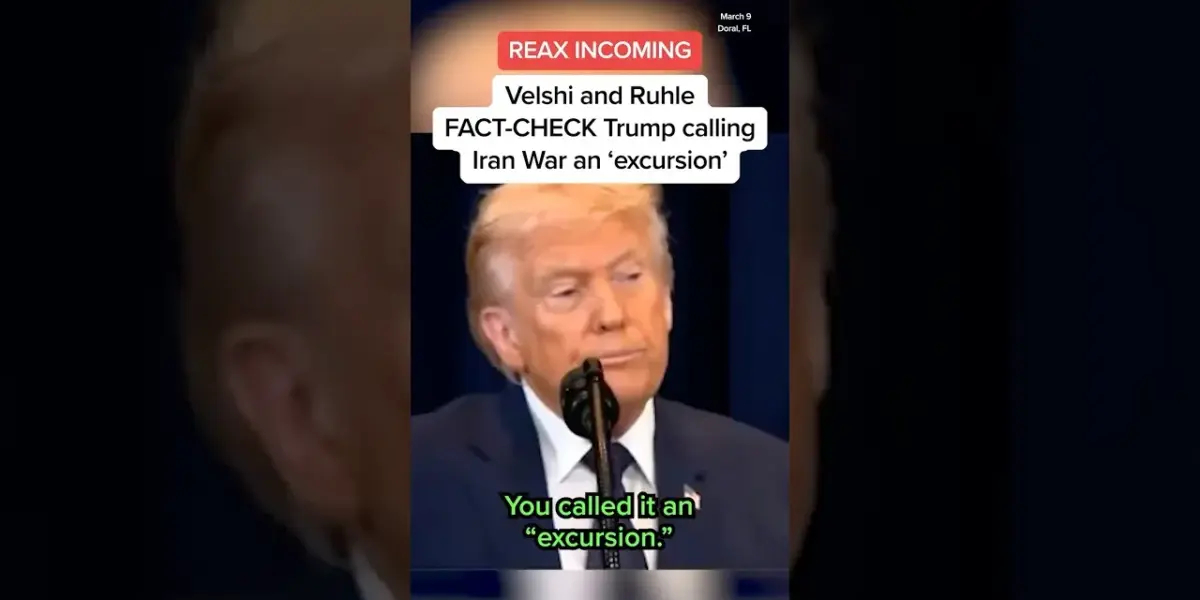
Velshi, Ruhle Scrutinize Trump’s ‘Excursion’ Remark on Iran War
In a sharp critique of former President Donald Trump’s recent characterization of the ongoing conflict in Iran as a mere “excursion,” MSNBC anchors Ali Velshi and Stephanie Ruhle have fact-checked and condemned the former president’s dismissive attitude. The segment, broadcast on MS NOW, highlighted the stark contrast between Trump’s casual language and the grim reality of rising casualties and escalating tensions in the region. Velshi and Ruhle argued that such rhetoric trivializes a serious geopolitical crisis with potentially devastating consequences.
Deconstructing the ‘Excursion’ Label
The core of the criticism stems from Trump’s use of the word “excursion” to describe the protracted and complex situation involving Iran. Ali Velshi, known for his in-depth analysis of international affairs, directly challenged this terminology. “An excursion, by definition, is a short journey or stay, especially one made for pleasure or relaxation,” Velshi stated during the broadcast. “This is not a pleasure trip. This is a conflict with significant geopolitical implications, loss of life, and the potential for wider destabilization.” He emphasized that using such a lighthearted term for a conflict zone where lives are at stake is not only inaccurate but also deeply irresponsible.
Stephanie Ruhle echoed these sentiments, pointing out the historical context and gravity of conflicts involving Iran. “We’ve seen in the past how actions and rhetoric surrounding Iran can have profound ripple effects across the Middle East and globally,” Ruhle remarked. “To reduce that to an ‘excursion’ is to ignore the complex political, economic, and human factors at play. It’s a dangerous oversimplification that risks downplaying the severity of the situation and the suffering of those affected.” The anchors stressed that while political leaders may seek to frame events in a particular light, the use of language must remain grounded in factual accuracy and an understanding of the human cost.
Rising Death Toll and Human Cost Ignored?
Velshi and Ruhle particularly focused on Trump’s apparent disregard for the rising death toll associated with the conflict. The transcript indicated that the anchors “slam his dismissive attitude toward the conflict’s rising death toll.” This suggests that Trump’s comments, beyond the choice of the word “excursion,” also signaled a lack of concern for the human lives being lost. Ruhle highlighted the importance of acknowledging the victims of conflict, stating, “Every number represents a life, a family, a community. When leaders use language that minimizes the impact of war, they are, in effect, dehumanizing the victims and eroding the urgency needed to seek peaceful resolutions.”
The segment implicitly called for a more somber and respectful tone from political figures when discussing matters of war and international conflict. The anchors suggested that such casual language can desensitize the public to the realities of war and potentially embolden aggressive actions by downplaying their consequences. “It’s crucial that we, as a society, understand the gravity of these situations,” Velshi added. “Words matter, especially when they come from people in positions of power. They shape perception, influence policy, and ultimately impact the lives of millions.”
Broader Implications and Geopolitical Context
The discussion surrounding Trump’s “excursion” remark extends beyond mere semantics; it touches upon the broader implications for U.S. foreign policy and international diplomacy. The anchors suggested that Trump’s framing of the conflict could signal a return to a foreign policy approach characterized by unpredictability and a potential disregard for established diplomatic norms. “When a former president, who may seek to return to power, uses such language, it raises questions about how he would approach complex foreign policy challenges,” Ruhle observed. “Would he prioritize de-escalation and diplomacy, or would he continue to employ rhetoric that could inflame tensions?”
The context of the ongoing tensions in the Middle East, often involving Iran, is critical. Years of complex diplomatic relations, sanctions, and intermittent escalations have characterized the U.S.-Iran relationship. Any rhetoric that trivializes potential conflict in such a volatile region carries significant weight. Velshi and Ruhle underscored that leaders must be mindful of the impact their words have on regional stability and international relations. The segment implicitly argued for a return to a more measured and serious discourse on foreign policy, particularly concerning areas of high geopolitical risk.
The Role of Media in Fact-Checking
The MS NOW segment serves as a prime example of the media’s role in holding public figures accountable for their statements, especially on critical issues like foreign policy and conflict. By fact-checking Trump’s description, Velshi and Ruhle aimed to provide viewers with accurate context and a more grounded understanding of the situation in Iran. “Our responsibility is to present the facts and to challenge narratives that distort reality, particularly when those distortions can have serious consequences,” Velshi stated. “Labeling a conflict as an ‘excursion’ is a distortion, and it’s our job to point that out.”
The anchors emphasized that while political commentary is expected, it should be based on a clear-eyed assessment of events. The segment implicitly encouraged viewers to critically evaluate the language used by politicians and to seek out reliable sources for news and analysis. The choice to focus on this specific remark highlights the power of language in shaping public perception and the importance of rigorous journalistic scrutiny.
Looking Ahead: The Discourse on Conflict
As the situation in and around Iran continues to evolve, the discourse surrounding conflict and political rhetoric remains a critical area to watch. The critique by Velshi and Ruhle underscores the ongoing debate about how political leaders should communicate about foreign policy and the human cost of international tensions. Future statements from political figures, particularly those with aspirations for leadership, will likely face similar scrutiny regarding their accuracy and their potential impact on global stability. The public’s expectation for responsible and fact-based communication on matters of war and peace is likely to remain high, making the role of media fact-checking more vital than ever.
Source: Velshi and Ruhle FACT-CHECK Trump calling Iran War an 'excursion' (YouTube)

Related Articles
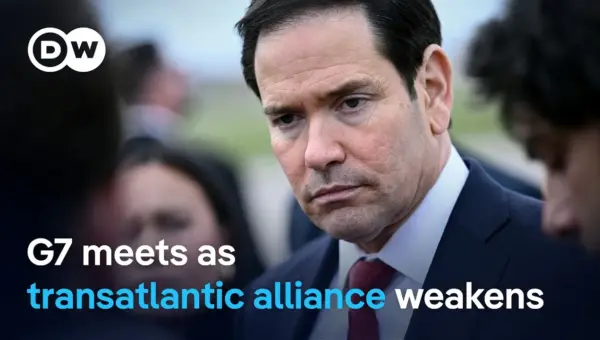
G7 Allies Clash Over Iran War Strategy, Urge Focus on Russia
G7 foreign ministers met in Paris, revealing deep divisions over the U.S. war with Iran. European allies urged the U.S. to pressure Russia, linking its actions to the conflict and fearing support for Ukraine will wane.
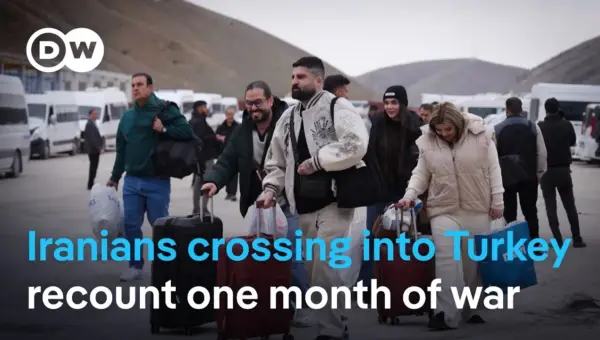
Iran War Exodus: Refugees Flee to Turkey Amidst Bombings
A train from Tehran brings refugees to Turkey, fleeing daily bombings and economic collapse. Many express deep fear for loved ones left behind, while some hold onto national pride and hope for victory. The conflict's impact is also felt economically in Turkey, with rising gas prices.
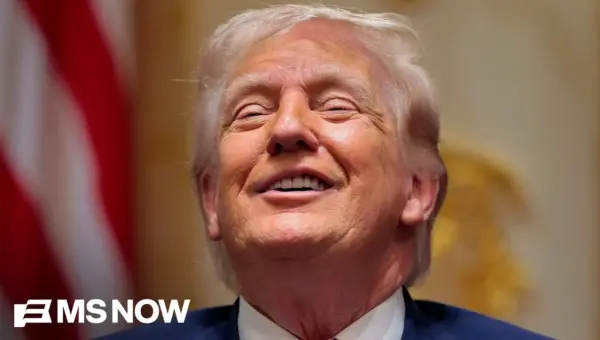
Trump’s Name Everywhere: A ‘Stain’ on GOP Legacy?
Former President Donald Trump's efforts to brand national symbols, including a proposed signature on dollar bills, spark debate. Critics view this as an authoritarian attempt to embed his legacy, potentially staining the Republican Party's history and contrasting with democratic ideals of public ownership.