Iran Escalates Oil Trade War Amid Intensifying Global Strikes
Iran has launched strikes targeting global oil trade infrastructure, including a drone attack on an Oman oil depot, amid escalating US and Israeli military actions. This move signals Iran's strategy to link its perceived suffering to global economic stability, while the conflict with Hezbollah in Lebanon also dramatically intensifies.

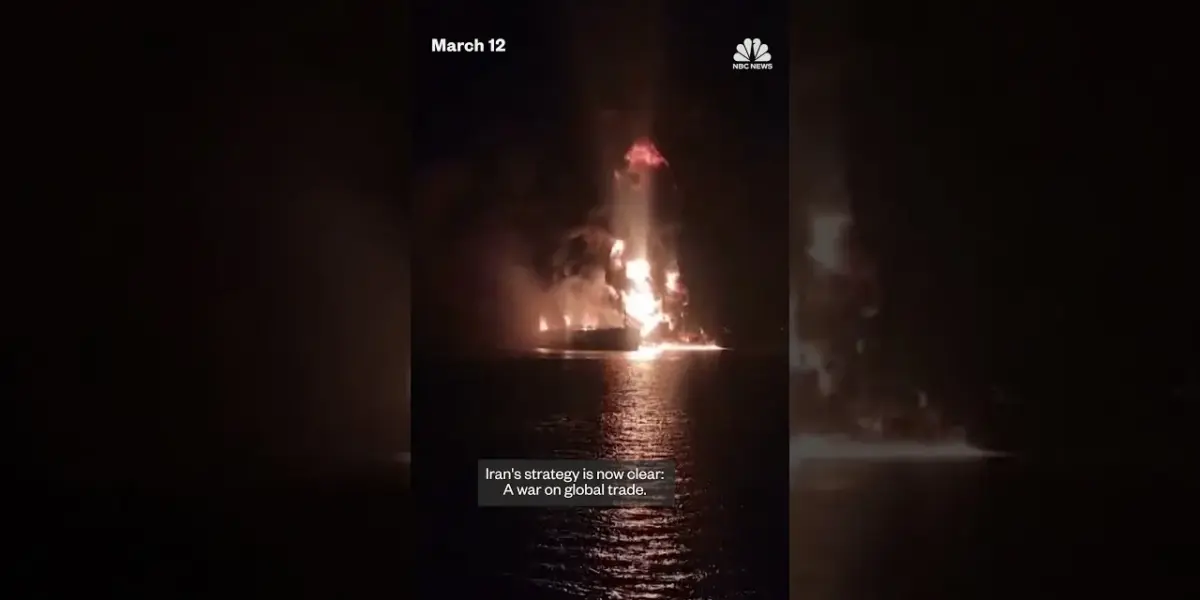
Iran Targets Global Oil Trade Amid Heightened Tensions
In a significant escalation of regional conflict, Iran has launched a series of strikes targeting global oil trade infrastructure, an apparent retaliatory measure amidst intensifying military operations by the United States and Israel against Iranian targets. The recent drone attack on an oil depot in Oman, situated near the strategically vital Strait of Hormuz, underscores Iran’s strategic shift towards disrupting international commerce and driving up global energy prices. This move signals a broader Iranian strategy: the more Iran perceives itself to be under pressure, the more it aims to inflict economic pain on the international community.
Shifting Dynamics of Regional Conflict
The escalating actions by Iran come as US and Israeli military officials report a rapid degradation of Iran’s military capabilities. Reports indicate that strikes on Iranian military aircraft, leadership, and bases are taking a significant toll. Simultaneously, the conflict between Israel and Hezbollah in Lebanon is dramatically intensifying. Israeli warplanes have conducted extensive bombardments of Beirut’s southern suburbs and southern Lebanon. This response followed a significant barrage of over 150 drones and rockets reportedly launched by Hezbollah towards northern Israel, marking a dangerous new phase in the ongoing hostilities.
Strategic Implications of the Strait of Hormuz
The Strait of Hormuz, a narrow waterway through which approximately 30% of the world’s seaborne oil passes, is a critical chokepoint for global energy supplies. Iran’s repeated targeting of infrastructure and shipping in and around this region highlights its willingness to weaponize its strategic geographic position. By threatening the flow of oil, Iran seeks to exert leverage on the international stage, aiming to deter further military action against its interests and to impose economic costs on nations perceived as adversaries. The drone strike in Oman, while not directly impacting the Strait itself, serves as a clear warning and demonstration of capability, potentially increasing shipping insurance costs and creating market uncertainty.
Iran’s Economic Warfare Strategy
The transcript suggests a deliberate strategy by Iran to link its own perceived suffering to the economic well-being of the global community. This approach, often termed economic warfare, aims to create widespread disruption that could pressure international actors to reconsider their policies. By targeting oil infrastructure and shipping, Iran seeks to achieve several objectives: driving up global oil prices, which can benefit its own strained economy; disrupting the supply chains of its adversaries; and demonstrating its capacity to inflict damage beyond its borders. The effectiveness of this strategy, however, is debated, as it also risks further isolating Iran and provoking a more severe international response.
Escalation in the Lebanon Front
The dramatic escalation between Israel and Hezbollah, as detailed in the transcript, adds another volatile dimension to the regional crisis. Hezbollah’s extensive rocket and drone attacks on northern Israel represent a significant increase in the scale and intensity of their operations. Israel’s retaliatory air strikes on Hezbollah strongholds in Beirut and southern Lebanon indicate a readiness to engage in widespread conflict. This front, often a proxy battleground, now appears to be moving towards a more direct and destructive confrontation, with potentially devastating consequences for both Lebanon and Israel, and further complicating any efforts to de-escalate the broader regional tensions.
International Response and Future Outlook
The unfolding events present a complex geopolitical challenge. The United States and its allies are closely monitoring the situation, balancing the need to deter Iranian aggression and support regional stability with the risks of a wider conflagration. The effectiveness of US and Israeli strikes in degrading Iran’s capabilities will be crucial in shaping future actions. The international community faces the difficult task of navigating these escalating tensions, seeking diplomatic solutions while addressing the immediate threats to global energy security and regional peace. The coming weeks will be critical in determining whether diplomatic channels can prevail over military escalation, or if the region is headed towards a more profound and destructive conflict.
Source: Iran targets global oil trade amid U.S., Israeli strikes (YouTube)

Related Articles

G7 Allies Clash Over Iran War Strategy, Urge Focus on Russia
G7 foreign ministers met in Paris, revealing deep divisions over the U.S. war with Iran. European allies urged the U.S. to pressure Russia, linking its actions to the conflict and fearing support for Ukraine will wane.

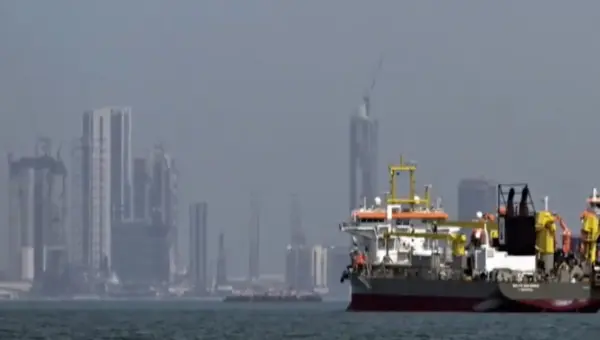
Iran Blocks China Ships, Exposing Beijing’s Weak Grip
Iran's recent decision to block Chinese ships at the Strait of Hormuz is exposing the limits of Beijing's influence in the Middle East. This action is causing delays and cancellations for Chinese manufacturers, turning a perceived geopolitical win into an economic strain.
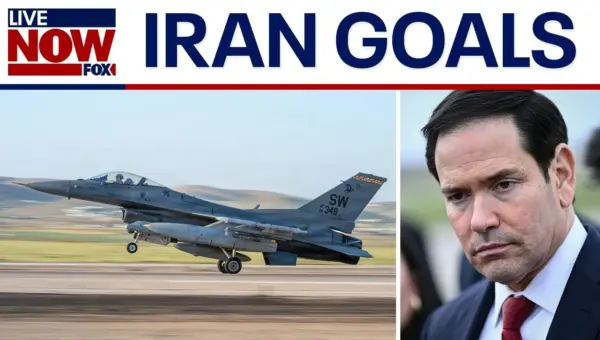
Rubio: US Can Achieve Iran War Goals Without Troops
Senator Marco Rubio outlined a strategy to counter Iran without deploying U.S. ground troops, focusing on weakening the regime and enhancing maritime security. He also criticized Cuba's economic system and expressed concerns about West Bank violence.