Graham’s Shadow Play: Manipulating Wars and Trump’s Presidency
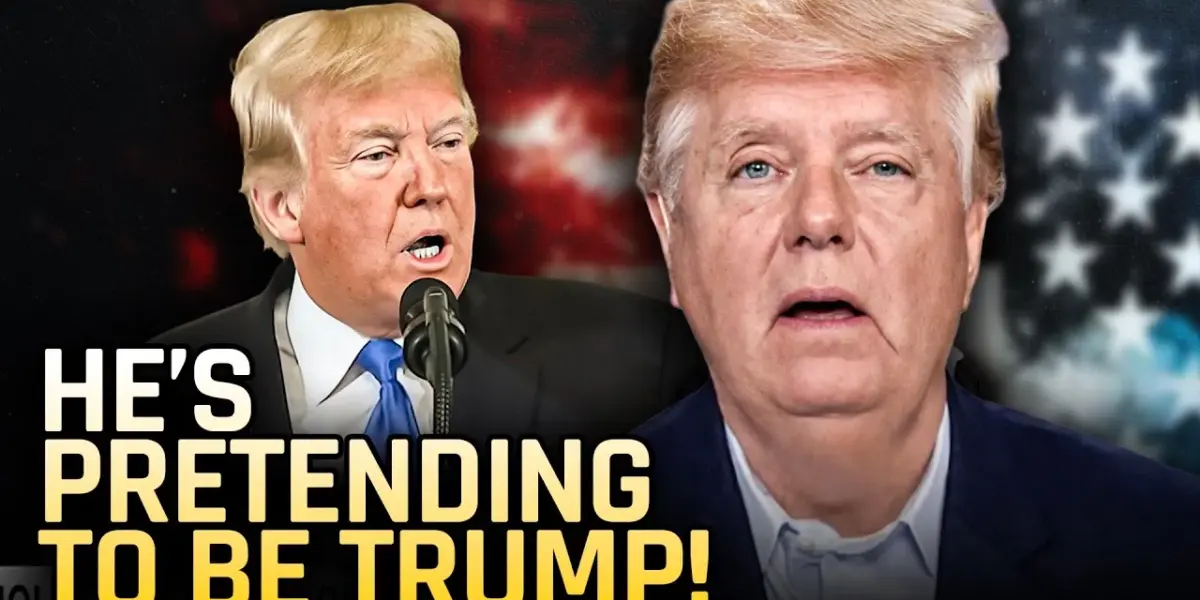
Senator Lindsey Graham is accused of secretly manipulating foreign policy, particularly regarding Iran, and overstepping presidential boundaries. Reports suggest he advised Israeli leadership on how to influence Donald Trump, leading to accusations of 'playing president' and sparking anticipation of Trump's reaction.

Graham’s Shadow Play: Manipulating Wars and Trump’s Presidency
In a political landscape often characterized by its overt pronouncements and public spectacles, Senator Lindsey Graham has recently found himself at the center of a storm, accused of operating in the shadows, wielding influence in ways that blur the lines of presidential authority and diplomatic protocol. Recent reports and public statements suggest a concerted effort by Graham to shape foreign policy, particularly concerning Iran, and a perceived overreach into the executive domain, leading to pointed critiques and speculation about his motivations and methods.
A Senator Playing President?
The controversy ignited when Senator Graham appeared on Sean Hannity’s Fox News program, offering what was described as a mutual defense agreement with Saudi Arabia and issuing threats of war against multiple other nations. The nature of these pronouncements—proposing defense pacts and threatening military action—are typically the exclusive purview of the United States President. This has led to sharp commentary, with some observers labeling Graham’s actions as a performance of presidential authority, thus the provocative moniker “President Lindsey Graham.”
This perceived usurpation of presidential prerogative is not an isolated incident, according to reports. The Wall Street Journal revealed that Graham had undertaken a secret trip to Israel, meeting with Prime Minister Benjamin Netanyahu. The purpose of this clandestine meeting, as alleged, was to advise Netanyahu on how to leverage and manipulate then-President Donald Trump into initiating conflict with Iran.
The Iran Conundrum: Decades in the Making
The narrative emerging from these events paints Senator Graham as a long-standing advocate for military engagement with Iran. For decades, Graham has reportedly harbored a desire for a war with Iran, a stance that has persisted through various administrations. The alleged plan to guide Netanyahu in influencing Trump suggests a strategic, long-term approach to achieving this foreign policy objective. The success of this alleged manipulation, if true, places the current tensions with Iran squarely at the feet of a complex interplay between Graham’s persistent hawkishness and Trump’s susceptibility to influence.
Trump’s Reaction and the Media’s Role
The implications of these revelations are significant, particularly for the former President. With reports surfacing that Graham was secretly pulling strings and operating in a manner that mimicked presidential authority, the question arises: how will Donald Trump react? The idea of a senator, even one with Graham’s seniority and influence, secretly manipulating the President and being perceived as a de facto co-president is unlikely to sit well with Trump, whose own brand is built on the assertion of singular authority. The conservative media landscape has already begun to pick up on these critiques, with figures like Megyn Kelly reportedly going after Graham for his perceived pretenses.
The potential backlash from Trump is anticipated to be considerable. The prospect of war with Iran, which is noted as historically unpopular, is already a source of frustration and potential instability for Trump. The revelation that Graham may have been instrumental in pushing for such a conflict, while simultaneously appearing to usurp Trump’s role, could trigger a volatile response. The strategy of referring to Graham as “President Lindsey Graham” is seen by some as a deliberate tactic to provoke a strong, perhaps even “psychotic,” reaction from Trump, in a scenario where such a reaction might, for once, be considered warranted.
Historical Context and Political Theater
Senator Graham’s long-standing hawkish stance on Iran is not new. His calls for a more assertive, and at times confrontational, U.S. policy toward Tehran have been a consistent theme throughout his career. This persistent advocacy, coupled with the recent allegations of clandestine influence, taps into a broader historical pattern of foreign policy being shaped by a confluence of personal conviction, strategic maneuvering, and the dynamics of presidential leadership. The comparison to a “first lady” or the suggestion of a “Lindsay” documentary series, while perhaps facetious, highlights the public’s fascination with the perceived behind-the-scenes power plays that often go unnoticed in the day-to-day political discourse.
Why This Matters
The allegations against Senator Graham raise critical questions about accountability, transparency, and the delicate balance of power in foreign policy decision-making. If a senator can indeed orchestrate significant foreign policy shifts and influence presidential actions through secret meetings and manipulation, it undermines the principles of democratic oversight and public accountability. The potential for unelected or indirectly influential figures to steer the nation toward conflict based on personal agendas is a dangerous precedent. Furthermore, the dynamic between Graham and Trump, as portrayed, exposes vulnerabilities in leadership and the potential for personal relationships and perceived slights to impact national security. The public’s right to understand how and why decisions leading to war are made is paramount, and any suggestion of covert manipulation erodes that fundamental right.
Implications, Trends, and Future Outlook
This situation underscores a growing trend of powerful figures operating with significant influence outside traditional channels. The reliance on personal relationships and behind-the-scenes diplomacy, while sometimes necessary, can become problematic when it lacks transparency and accountability. The future outlook suggests a continued scrutiny of such practices. As media continues to uncover these alleged machinations, the pressure for greater transparency in foreign policy will likely intensify. The perceived attempts by Graham to emulate presidential authority also highlight the evolving nature of political influence, where public personas and media narratives play an ever-increasing role. For Donald Trump, this could signal a new challenge to his narrative of control, potentially leading to further public pronouncements and political maneuvering as he seeks to reassert his authority and control over his own political story. The ongoing saga of Senator Graham’s alleged influence and Senator Graham’s perceived overreach will undoubtedly continue to be a focal point of political commentary and a test case for the boundaries of senatorial power in the realm of foreign affairs.
Source: Lindsey Graham Caught PRETENDING TO BE TRUMP (YouTube)

Related Articles
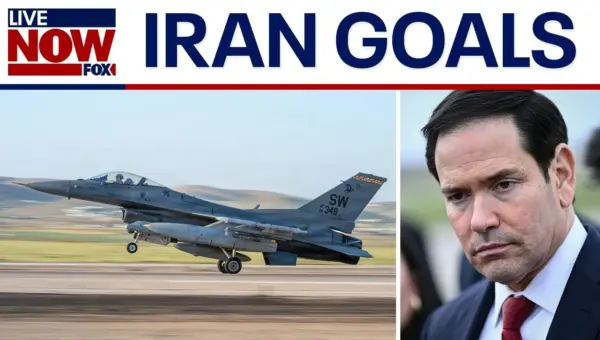
Rubio: US Can Achieve Iran War Goals Without Troops
Senator Marco Rubio outlined a strategy to counter Iran without deploying U.S. ground troops, focusing on weakening the regime and enhancing maritime security. He also criticized Cuba's economic system and expressed concerns about West Bank violence.
Trump’s “Walk Away” Tactic Signals Tougher Stance on China
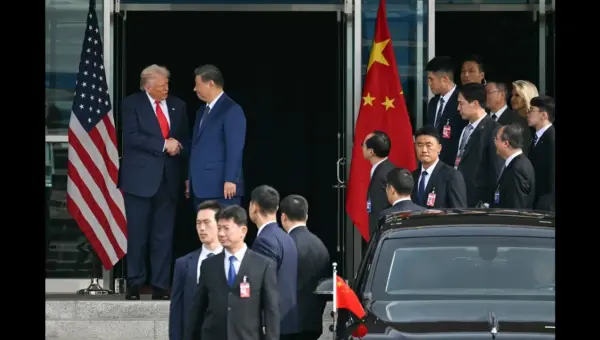
Retired Air Force Brigadier General David Stillwell believes President Trump's strategy of being willing to walk away from negotiations puts pressure on China. This tactic, combined with US global actions and strengthened alliances, signals a more assertive American foreign policy.
House Republicans Reject Senate Deal, Sparking Government Funding Clash
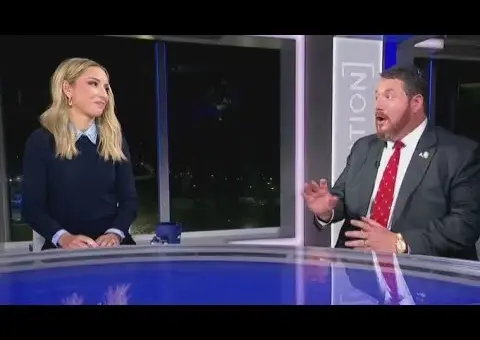
House Republicans have rejected a Senate bill to end the government shutdown, citing insufficient border security measures. Congressman Randy Fine called the Senate deal a "disgrace" and highlighted the ongoing fight for full government funding. President Trump's executive order to pay TSA agents offers temporary relief, but the core disagreement over border security continues to paralyze Washington.