Iran Threatens $200 Oil: Global Recession Looms
Iran's threats to disrupt oil supplies and push prices to $200 a barrel are fueling fears of a global recession and stagflation. Economic experts warn of higher inflation, increased borrowing costs, and rising unemployment, with a prolonged conflict posing significant damage to the world economy.

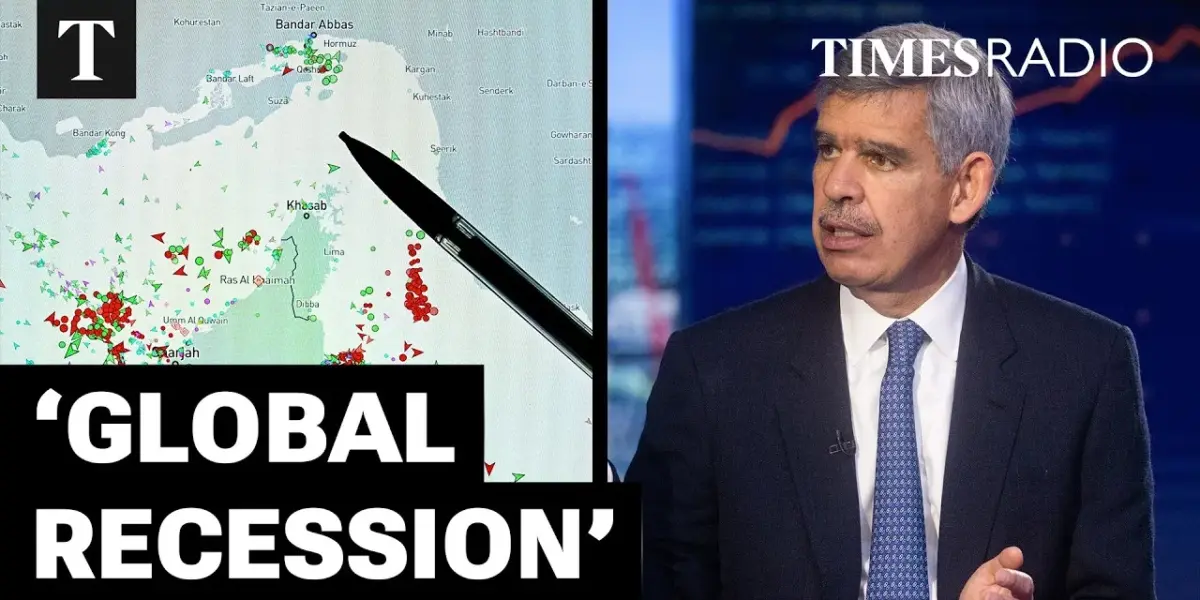
Iran’s Oil Threat Sparks Global Economic Fears
The escalating tensions in the Middle East have sent shockwaves through global markets, with Iran issuing stark warnings about potential disruptions to oil supplies. The threat, which suggests oil prices could skyrocket to $200 a barrel, has ignited fears of a global recession and significant economic fallout. Brent crude oil briefly surpassed $101 a barrel in early trading, reflecting the heightened anxiety, despite efforts to stabilize the market through strategic reserve releases.
Economic Advisor Warns of ‘Very Concerned’ Outlook
Mohamed El-Erian, Chief Economic Advisor at Allianz, expressed grave concern over the ongoing conflict and its potential to prolong high energy prices. “Very concerned. Um, there’s no doubt that the first impact of this war is higher energy prices and higher borrowing costs, higher interest rates, higher mortgage rates. That is phase one,” El-Erian stated. He elaborated that as the situation persists, the global economy would face broader inflation, reduced growth, and increased unemployment. “The longer this war continues, the deeper the damage to the global economy and the UK economy, and it is going to be harder to reverse quickly.”
Stagflation Fears Grip Markets
The prospect of stagflation – a damaging combination of high inflation and stagnant economic growth – is a significant worry. While El-Erian believes inflation might not reach the extreme levels seen after the Ukraine war, he anticipates a significant deviation from the expected decline to 2%, potentially settling at 3% or higher. “But it’s not just inflation. You get the stag side. You get lower growth. So on current rejection the UK would lose about half a percent of growth which will take up the growth rate below 1% which is near stall speed.” This slowdown, if it worsens, could easily tip economies into recession.
Impact on Consumers and Interest Rates
For ordinary citizens, the consequences extend beyond just higher costs for essentials like heating and fuel. El-Erian highlighted the increased insecurity regarding income as employment risks rise. Furthermore, the economic climate suggests that interest rates, which were previously expected to decrease, are now more likely to hold steady or even increase. “The Bank of England, which was on course to cut rates, now the market’s expected to hike rates. Why? Because the M Bank of England has one mandate, price stability and obviously the war threatens price stability,” he explained. Market rates for mortgages and loans have already climbed, with disruptions to mortgage supply further exacerbating the issue.
The Complexities of Inflation and Central Bank Responses
El-Erian addressed the logic behind raising interest rates in response to externally generated inflation. He noted that while the cause of inflation matters, the subsequent effects are critical. Central banks, having misjudged the transitory nature of past price shocks, now face difficult choices. “Either they do nothing and risk inflation getting embedded and then it’s even more difficult to get it out of the system or they move, but then people say, ‘Oh, wait a minute. You’re adding to our to our challenges.’ I think ultimately central banks are mandated for price stability and therefore they’re going to have to raise interest rates.”
Strait of Hormuz: A Critical Chokepoint
The potential for Iran to disrupt shipping through the Strait of Hormuz remains a central concern. While Iran’s threat to push oil prices to $200 a barrel is partly seen as rhetoric, the possibility cannot be entirely dismissed. “But if we get there, and I don’t think we will, but if we get there, then this is a global recession,” El-Erian cautioned. He pointed out that while only about 20% of oil passes through the Strait, its disruption would still have severe consequences. The nature of modern warfare, including the use of drones, presents a more persistent threat to the Strait’s security than traditional methods like naval mines.
Modern Warfare and Asymmetrical Threats
The effectiveness of modern warfare tactics, particularly drones, complicates the assumption that any disruption at the Strait of Hormuz can be quickly resolved. “We now live in this very modern world of drones where if the Iran regime persists and America has shown no ability to dislodge it in two weeks, if the Iran regime persists, it’s likely to retain drone capacity for as long as it exists. Therefore, its ability to disrupt is actually probably potentially more sticky than we might otherwise think,” El-Erian observed. He also highlighted the potential for opportunistic decisions by field commanders in a decentralized command structure, adding another layer of unpredictability.
The Long Road to Recovery
Even if the Strait of Hormuz were to be cleared, the return to normalcy would not be immediate. El-Erian stressed that the process of repositioning tankers, resuming production, and restoring supply chains would likely take “four to six weeks.” This extended recovery period means that the economic impacts would linger, even after the immediate crisis subsides. The political implications are also significant, particularly in light of upcoming elections where cost of living pressures are a primary concern for voters.
Looking Ahead: Economic Resilience Tested
As global markets grapple with the implications of heightened Middle East tensions and the specter of soaring oil prices, the resilience of the global economy will be severely tested. The coming weeks will be crucial in determining whether diplomatic efforts can de-escalate the situation and prevent a severe economic downturn. Watch for further developments in oil prices, central bank policy responses, and the geopolitical landscape as the world navigates this period of heightened uncertainty.
Source: Iran Has Threatened $200 Oil Barrels: This Is What Would Happen (YouTube)

Related Articles

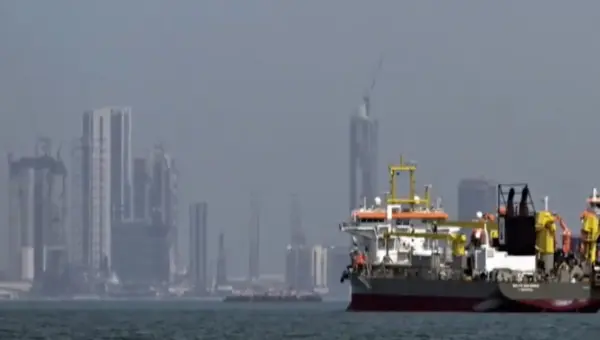
Iran Blocks China Ships, Exposing Beijing’s Weak Grip
Iran's recent decision to block Chinese ships at the Strait of Hormuz is exposing the limits of Beijing's influence in the Middle East. This action is causing delays and cancellations for Chinese manufacturers, turning a perceived geopolitical win into an economic strain.
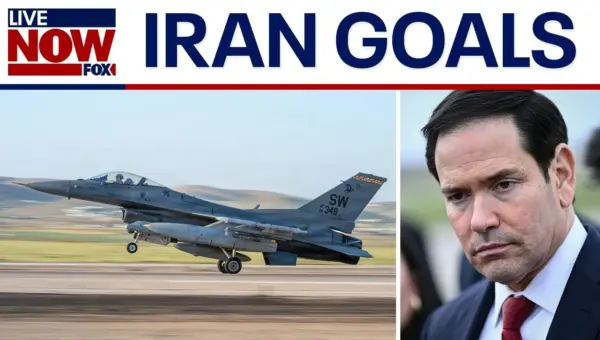
Rubio: US Can Achieve Iran War Goals Without Troops
Senator Marco Rubio outlined a strategy to counter Iran without deploying U.S. ground troops, focusing on weakening the regime and enhancing maritime security. He also criticized Cuba's economic system and expressed concerns about West Bank violence.


Israel Escalates Iran Strikes, Warns of Wider War
Israel has launched significant strikes inside Iran following continued missile fire, warning of further escalation. The conflict risks wider regional instability and economic disruption, especially concerning the Strait of Hormuz.