TSA Agents Work Without Pay Amidst Government Shutdown
TSA officers are working without pay amidst a partial government shutdown, leading to significant airport disruptions and financial hardship for employees. Many are resorting to second jobs and sacrifices to make ends meet, while airports appeal for public donations.

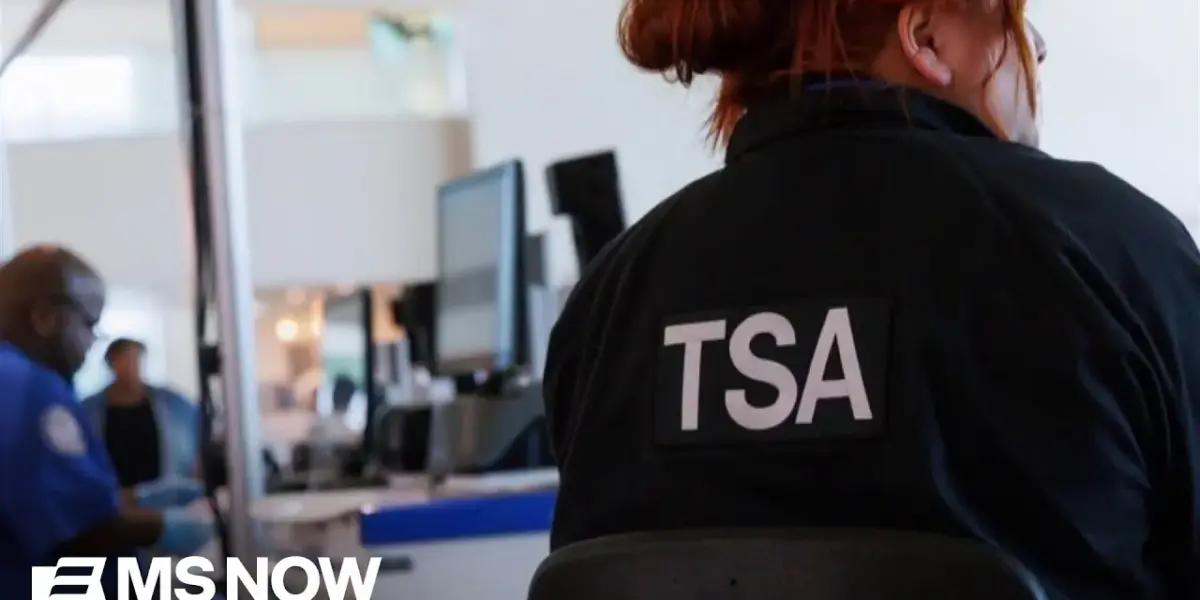
TSA Officers Face Financial Hardship During Government Shutdown
Major airports across the United States are experiencing significant disruptions and exceptionally long lines at security checkpoints due to the ongoing partial government shutdown. The situation has forced Transportation Security Administration (TSA) officers, classified as essential employees, to work without pay, leading to increasing numbers of call-outs and resignations. This has created a crisis for both the dedicated workforce and the traveling public, with passengers facing hours-long waits to clear security.
The Reality of Working Without a Paycheck
Johnny Jones, secretary treasurer for the union representing TSA officers, described the dire financial straits many of his colleagues are in. “We had a half of paycheck two weeks ago and this weekend when we get a pay, you’re going to get a big fat zero,” Jones stated. “So unfortunately, a lot of my colleagues’ bank accounts are already in the red.” With an average annual salary of approximately $61,000, many TSA officers are struggling to make ends meet. A TSA spokesperson confirmed that over 300 officers have quit since the shutdown began in February, highlighting the severity of the impact on the agency’s staffing levels.
Workers Resort to Second Jobs and Sacrifices
The financial pressure has compelled TSA employees to seek alternative means of income and make significant sacrifices. Jones revealed that some coworkers have been unable to report to work due to the inability to afford gas, while others have taken on second jobs to survive. “Some of my colleagues donating blood plasma, working Uber Eats, delivering of Grubhub, um, working maybe even another job at the airport,” Jones said. In an extreme measure to save money, some TSA officers have resorted to sleeping in their cars to avoid the cost of commuting.
Impact on Airport Operations and Traveler Experience
The staffing shortages are taking a toll on airport operations. During previous shutdowns, such as the one in 2018, some airports were forced to close security checkpoints and reroute passengers. “They may have to close down checkpoints and and divert people to other places,” Jones warned, particularly concerning with the upcoming spring break travel season. The chaos at security checkpoints has understandably caused anxiety for travelers. One passenger shared, “Walking in today and seeing the crowd, I think we both had a little bit of panic.” The frustration among travelers is palpable, with many expressing anger over the extended wait times and the inability of Congress to resolve the funding issue.
Political Stalemate and Broader Implications
The shutdown stems from a failure in Congress to pass a funding bill for the Department of Homeland Security (DHS). Senate Democrats proposed a plan that included new accountability rules for Immigration and Customs Enforcement (ICE), which Republicans blocked. Republicans have accused Democrats of playing political games, while Democrats argue that the White House and Republicans are prioritizing other agendas over the well-being of essential workers. “Right now, TSA agents are going without pay because As Republicans and the White House have decided they would rather shut down all of DHS than pass some very basic reforms to rain and ice and border patrol,” one commentator noted.
The implications of the shutdown extend beyond the TSA, impacting other DHS agencies including the Coast Guard, Secret Service, Customs and Border Protection, and FEMA. This raises concerns about the nation’s readiness for emergency response and national security. The situation has led to questions about the government’s priorities, with funds allocated for other initiatives while essential personnel are left unpaid.
Airport and Community Support Efforts
In response to the crisis, some airports are stepping in to offer support. Denver International Airport has asked passengers to donate grocery store and gas gift cards to TSA officers. Meanwhile, TSA officers are appealing to travelers for patience. “We just ask the passenger to put themselves in our shoes. How long could they come to work without being paid?” one officer implored.
Presidential Stance and Unresolved Funding
President Trump has maintained his stance on not signing any bills until his voter ID legislation is passed. While the White House indicated that the President would, of course, fund the agency, the core funding dispute remains unresolved. The debate has also touched upon the allocation of billions of dollars within DHS for detention centers, a point of contention for many who believe these funds could be redirected to ensure TSA agents are paid. The lack of resolution leaves essential workers in a precarious financial position with no clear end in sight.
Looking Ahead
As spring break travel approaches, the situation at airports is expected to worsen without a resolution to the government shutdown. The continued financial strain on TSA officers and the disruption to air travel pose significant challenges. The public’s patience is being tested, and the political gridlock in Congress remains the primary obstacle to restoring pay for these essential workers and ensuring the smooth operation of national security and transportation infrastructure.
Source: Donating plasma, delivering food: TSA officer on how some workers make ends meet during shutdown (YouTube)

Related Articles
TSA Workers Get Paid After Record Absences
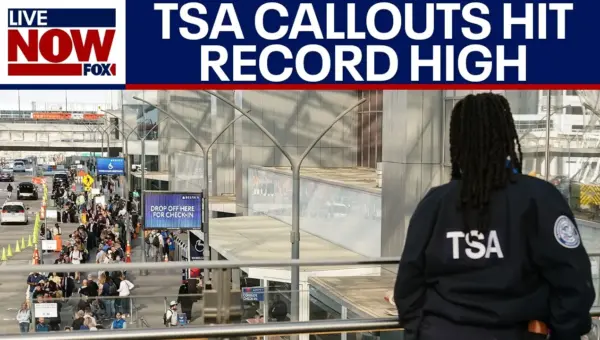
TSA agents will finally receive paychecks after working nearly six weeks without salary, following a directive from President Trump. Record high absences had strained airport operations and caused significant passenger delays. The situation has sparked calls for better protections for essential workers during government shutdowns.


US Must Block China’s Tech Access for Security
US national security experts are raising alarms about China's access to advanced AI chips, arguing it threatens strategic advantages. This, coupled with charges against Chinese entities for fentanyl precursor sales and a ban on foreign routers, signals a growing effort to prioritize security over business ties.

House Republicans Reject Senate Deal, Sparking Government Funding Clash
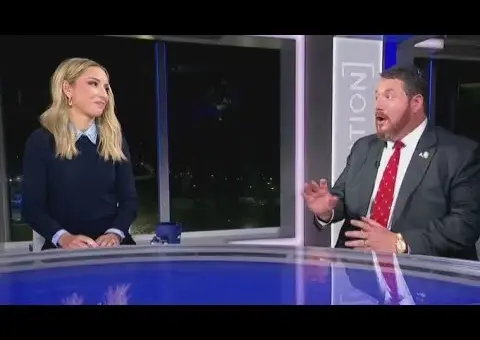
House Republicans have rejected a Senate bill to end the government shutdown, citing insufficient border security measures. Congressman Randy Fine called the Senate deal a "disgrace" and highlighted the ongoing fight for full government funding. President Trump's executive order to pay TSA agents offers temporary relief, but the core disagreement over border security continues to paralyze Washington.