Russia’s Budget Strain: Putin Orders Secret Search for Funds
Russia faces a deepening budget crisis, forcing President Putin to secretly seek new revenue sources. Experts suggest this strain may lead to reduced drone and missile attacks, as Moscow prioritizes front-line funding over deep strikes. Meanwhile, Ukraine's drone technology is gaining international traction.

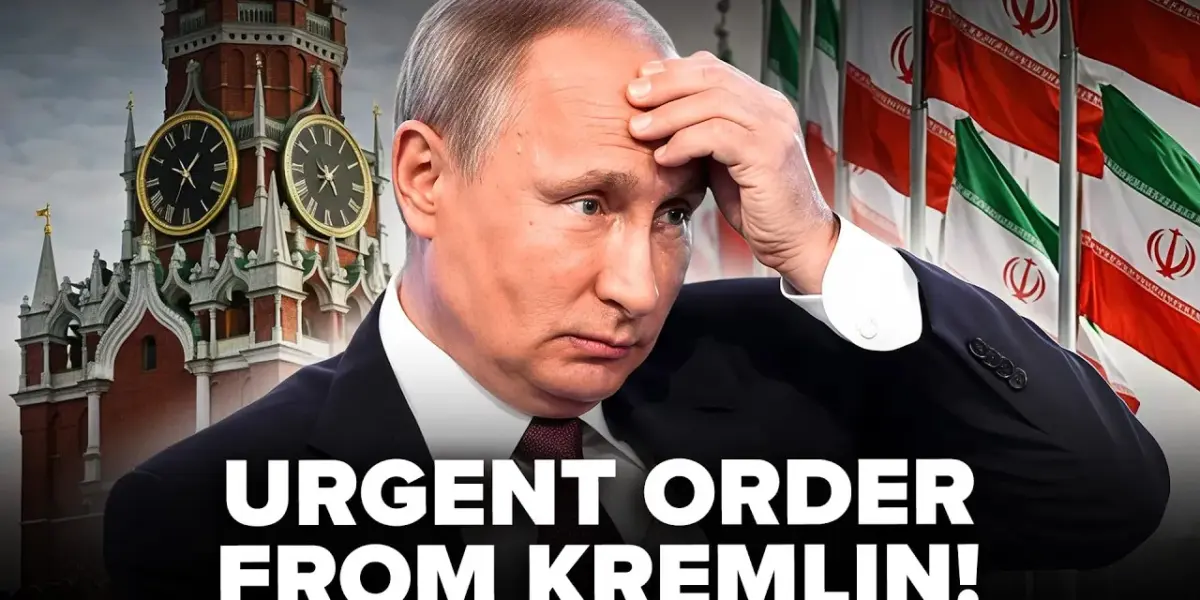
Kremlin Grapples with Budget Deficit Amidst War Economy
Recent analysis suggests Russia is facing significant financial strain, prompting President Vladimir Putin to issue a secret order for officials to find new sources of revenue. Political analyst Michael Shetenman discussed the deepening budget crisis, highlighting that approximately 50% of Russia’s total budget was allocated to the war in Ukraine last year, a figure that has reportedly decreased from $140 billion to $120 billion. This substantial expenditure, coupled with existing deficits in both central and local budgets, is forcing Moscow to make difficult financial decisions.
Military Spending Decisions: Drones vs. Front Lines
The economic pressure has led to a strategic dilemma regarding military spending. Shetenman explained that with a reduced budget, Russia faces a choice: either cut expenses on drone and missile production or reduce spending on front-line operations. The prevailing belief is that Moscow has opted to prioritize funding the front lines, where substantial and consistent payments are required for a large professional army. This decision implies a potential reduction in the capacity for deep strikes using drones and missiles, a key component of Russia’s military strategy.
Expert Analysis on Reduced Strikes on Kyiv
The decrease in drone and missile attacks on Kyiv is seen not as a direct consequence of supplying Iran, but rather as a result of two primary factors. Firstly, the increasing effectiveness of Ukrainian air defense systems has been a significant deterrent. Shetenman noted that in recent major Russian attacks involving over 500 missiles and drones, Ukrainian defenses successfully intercepted all Russian cruise missiles in two instances, and all but two in a third. The high cost of these missiles, estimated between $3 to $10 million each, makes such failures economically unsustainable for Russia.
Iran’s Role and Drone Technology Transfer
While direct troop deployment to Iran is deemed unrealistic due to Russia’s troop commitments in Ukraine, the transfer of military expertise is a distinct possibility. Shetenman suggested that Russia could be providing military advisors, particularly specialists in drone technology. This expertise, honed over four years of conflict in Ukraine, is considered invaluable in operating sophisticated drones like the Shahed type, capable of carrying significant explosive payloads. The implication is that Russian specialists might be embedded with Iranian forces, mirroring the tactics used in Ukraine.
“The experience of four years in Ukraine… nobody in the world has such an experience just nobody else only Russians.”
Ukraine’s Counter-Drone Prowess and International Cooperation
In contrast to Russia’s support for Iran, Ukraine has seen a surge in demand for its counter-drone systems. Shetenman highlighted that not only the Pentagon but also eleven Arab states have sought assistance from Ukraine. This cooperation is viewed as a significant opportunity for Ukraine to develop future partnerships with wealthy Gulf states, potentially rebuilding their counter-drone capabilities. Ukraine’s unique and advanced drone and counter-drone technologies, developed by hundreds of companies, have positioned it as a key player in this sector. According to the Wall Street Journal, two sons of former President Trump have reportedly invested in a company that is a shortlisted bidder for a Pentagon tender, indicating significant interest in Ukrainian drone producers.
Shifting Geopolitical Landscape and Potential End to Conflicts
The discussion also touched upon the potential for conflicts to end, drawing parallels to the Korean War where a lack of targets eventually led to a cessation of bombing. Former President Trump’s remarks about the war in Iran having few remaining targets were seen through this historical lens. Shetenman speculated that Trump might seek a swift resolution to the conflict, driven by domestic political considerations, including upcoming elections and the desire to project an image of success. The article suggests that Trump’s administration may be working to persuade Israel to de-escalate, as American interests lie in controlling oil rather than destroying it.
Cuba as a Future Focus?
Looking ahead, the possibility of Cuba becoming a subsequent focus for US foreign policy was raised. Shetenman pointed to existing pressures on Cuba, including a blockade on oil supplies from Venezuela and the blocking of Russian oil tankers. These measures have severely impacted Cuba’s economy, leading to shortages of food and gasoline, and a collapse in tourism. The analysis suggests that these economic pressures might lead to a resolution without direct military conflict.
European Energy Market and Sanctions
Finally, the conversation addressed the European Union’s energy relationship with Russia. Despite a significant reduction in Russian gas and oil supplies, Shetenman noted the complexity of re-establishing these ties. He cited India’s difficulties in purchasing Russian oil due to banking sanctions as an example. While acknowledging that prolonged conflict could theoretically push Europe back towards Russian energy, the current prognosis, based on the anticipated end of conflicts and falling oil prices, suggests this is unlikely. The European Commission president’s stance against renewing Russian gas purchases further reinforces this outlook.
Looking Ahead
The coming weeks will be crucial in observing whether Russia’s budget constraints lead to a tangible shift in its military operations and whether the predicted de-escalation of current conflicts materializes. Attention will also remain on the evolving energy dynamics between Europe and Russia, and the potential for new geopolitical realignments in regions like the Middle East and the Caribbean.
Source: 😱Russia’s budget is draining! Panic in Kremlin over where to find money. Putin gave a secret order (YouTube)

Related Articles


Iran’s Power Vacuum Complicates US Diplomacy
The United States struggles to engage Iran diplomatically due to the country's unclear leadership structure and internal chaos. China's significant role in Iran's oil market further complicates international efforts to influence Tehran's actions, particularly concerning the vital Strait of Hormuz.

Pakistan Offers Peace Talks to Ease US-Iran Conflict
Pakistan has formally offered to host peace talks between the U.S. and Iran amidst escalating conflict. Key Iranian demands include security guarantees and control over the Strait of Hormuz, posing challenges for a potential deal. This mediation effort highlights the growing role of regional powers in global diplomacy.

Russia’s Budget Crisis Fuels Regional Discontent
Russia's federal budget deficit has reached critical levels in early 2026, forcing the Kremlin to seek funds from its regions, fueling widespread discontent. This fiscal strain exacerbates existing economic hardships and raises questions about the long-term stability of the Russian Federation.