Trump Taps Oil Reserves Amid Iran Ship Attacks
President Trump is tapping the U.S. Strategic Petroleum Reserve to combat rising gas prices, following increased Iranian attacks on ships in the Strait of Hormuz. Dozens of countries are also releasing oil from emergency stockpiles as the global supply chain faces significant threats. The escalating tensions come amid reports of a tragic school strike in Iran potentially caused by outdated intelligence.


Trump Orders Strategic Oil Reserve Release Amid Escalating Iran Tensions
In an emergency move aimed at curbing soaring gas prices, President Trump announced plans to tap into America’s Strategic Petroleum Reserve. The decision comes as Iran intensifies its attacks on shipping in the Middle East, particularly in the Strait of Hormuz, a critical chokepoint for global oil transport. At least three ships, including a Thai cargo vessel, were struck by Iran on Monday, leading to a standstill for many tankers in the crucial passageway. Iran has also targeted energy infrastructure on land, as seen in a massive fireball caused by an Iranian drone strike on an oil depot in Oman.
Global Oil Supply at Risk, Nations Pledge Reserves
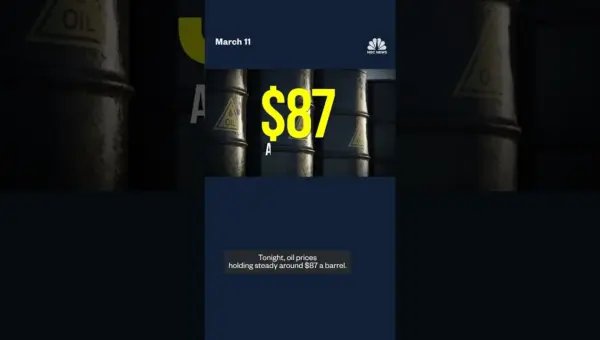
The escalating conflict has placed the global oil supply at the center of international concern. In response, dozens of countries have committed to releasing a record-breaking 400 million barrels of oil from emergency stockpiles in an effort to stabilize prices. The United States is a key participant in this coordinated release. Despite these efforts, oil prices have remained volatile, hovering around $87 a barrel.
“We have to get rid of the evil. There’s great evil taking place in Iran, as you know, and our military has been unbelievable,” President Trump stated, explaining the rationale behind tapping the U.S. Strategic Oil Reserve to lower prices.
Iran’s Strait of Hormuz Threat and U.S. Military Response
President Trump has issued stern warnings to Iran against attempting to block the Strait of Hormuz, which at its narrowest point is only 20 nautical miles wide and accounts for over 20% of the world’s oil transit. “If Iran does anything to do that, they’ll get hit at a much, much harder level,” Trump warned. This threat comes as the Pentagon reports significant success in degrading Iran’s military capabilities, with over 5,500 targets struck inside Iran to date. President Trump indicated that the war could end soon, stating, “there’s practically nothing left to target.” He further elaborated that Iran has lost its navy, air force, anti-aircraft apparatus, and radar, with its leaders gone.
Political Fallout and International Pressure
While most Republicans support the operation, President Trump faces pressure from some allies regarding the ongoing conflict. Critics have voiced concerns about the rationale and definition of the war’s objectives. Meanwhile, inside Iran, a top security official has threatened to use force against any protesters following a deadly crackdown in January. However, a key advisor to Israel’s Prime Minister expressed hope for renewed public demonstrations against the regime, noting that “over 85% of the Iranian people detest the the Ayatollah regime.”
Intelligence Failures and Tragic School Strike
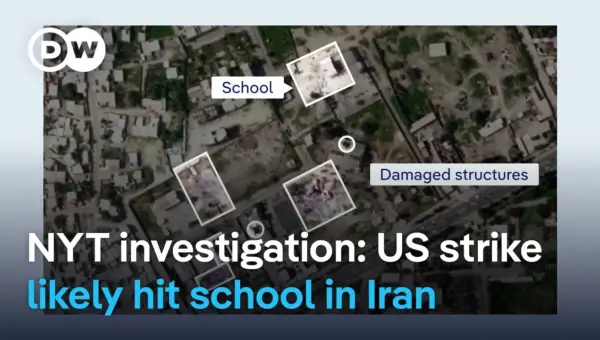
In a concerning development, a preliminary military investigation suggests that outdated intelligence may have been responsible for a deadly missile strike on an Iranian school that killed 170 people, including many children. Officials familiar with the investigation indicated that the Defense Intelligence Agency had validated the target, which was formerly an Iranian military facility, based on information from multiple sources, including Israeli intelligence. However, the process for cross-agency validation before a strike may have broken down, leading to the tragic outcome. The ongoing investigation seeks to pinpoint where this critical process failed.
Oil Price Forecast and Market Concerns
Energy analysts warn that the ongoing disruptions in the Strait of Hormuz pose a significant threat to oil prices. John Kilduff, founding partner at Again Capital, noted that even the release of 400 million barrels globally might not be enough to offset the daily deficit of 20 million barrels. He stressed the urgent need to reopen the Strait of Hormuz to stabilize the market. Kilduff cautioned that if the situation persists, oil prices could climb to $200 a barrel, especially as regional producers like Saudi Arabia curtail output. The risk of naval mines being laid in the Strait further exacerbates concerns, as such weapons could cause catastrophic fires and environmental disasters, particularly for oil tankers.
Consumer Impact and Weather Extremes
The rising oil prices are directly impacting consumers at the pump, with gas prices expected to continue their upward trend. Drivers are advised to fill up their vehicles when possible. Beyond the geopolitical tensions, the U.S. is also grappling with extreme weather events. A deadly tornado outbreak has ravaged the Midwest, causing fatalities and widespread destruction. Simultaneously, parts of the country are experiencing severe thunderstorms, while others, like Minnesota, Wisconsin, and Michigan, could face blizzard conditions. In stark contrast, the Western U.S. is bracing for an exceptional heatwave, with potential for record-breaking March temperatures.
Insurance Disputes and Legal Battles
Separately, a significant legal battle is unfolding in Oklahoma, where hundreds of people are suing State Farm over allegations of a fraudulent scheme to deny or underpay hail damage claims. The state’s Attorney General is investigating the insurance giant, comparing its alleged practices to organized crime. Homeowners claim that despite having policies that should cover accidental damage, their claims have been denied or minimized, forcing them to pay for costly repairs out-of-pocket. State Farm has denied wrongdoing, stating it has paid over $1 billion to Oklahoma customers for wind and hail damage in the past two years.
Political Maneuvering and Primary Challenges
President Trump is actively engaging in political campaigning, touting his economic agenda in Ohio and Kentucky. His efforts include a campaign stop in the congressional district of outspoken Republican critic Congressman Tom Massie, who is facing a primary challenge from a Trump-endorsed candidate. This move highlights Trump’s influence in Republican primaries and the potential consequences for GOP lawmakers who diverge from his positions.
Humanitarian Crisis in Lebanon
The conflict in the Middle East has also led to a severe humanitarian crisis in Lebanon, where the government reports over 600 deaths since the war began. Israel’s ongoing strikes targeting Iran’s allies, Hezbollah, have displaced hundreds of thousands. Hospitals in Beirut are treating numerous injured, including children who have suffered severe shrapnel wounds. Doctors are working tirelessly to address the influx of casualties, with a particular focus on the youngest victims. The situation underscores the devastating human cost of the widening conflict.
Source: Top Story with Tom Llamas – March 11 | NBC News NOW (YouTube)

Related Articles
US Military Linked to Deadly Iran School Strike, New Evidence Suggests
New evidence suggests the U.S. military may be responsible for a deadly strike on an elementary school in Iran that killed scores of children. Investigations by The New York Times and other organizations point to the use of outdated intelligence and precision missile strikes as potential causes.

Netanyahu Urges Iranians to ‘Seize the Moment’ Amidst Escalating Tensions
Israeli Prime Minister Benjamin Netanyahu has directly called on the Iranian people to "rise up" and "seize the moment," suggesting their opportunity for change is approaching. This appeal follows a period of intensified pressure by Israel on the Iranian regime, aimed at degrading its capabilities and empowering the populace.

Trump Taps Oil Reserves Amid Iran Tensions, Strait of Hormuz Attacks
President Trump announced the U.S. will tap its Strategic Petroleum Reserve amid escalating attacks by Iran on ships in the Strait of Hormuz. The International Energy Agency and member countries will release 400 million barrels to stabilize oil prices and counter Iran's threats to disrupt global supply.