Epstein Files Breach Exposes U.S. to Blackmail, Analysts Warn
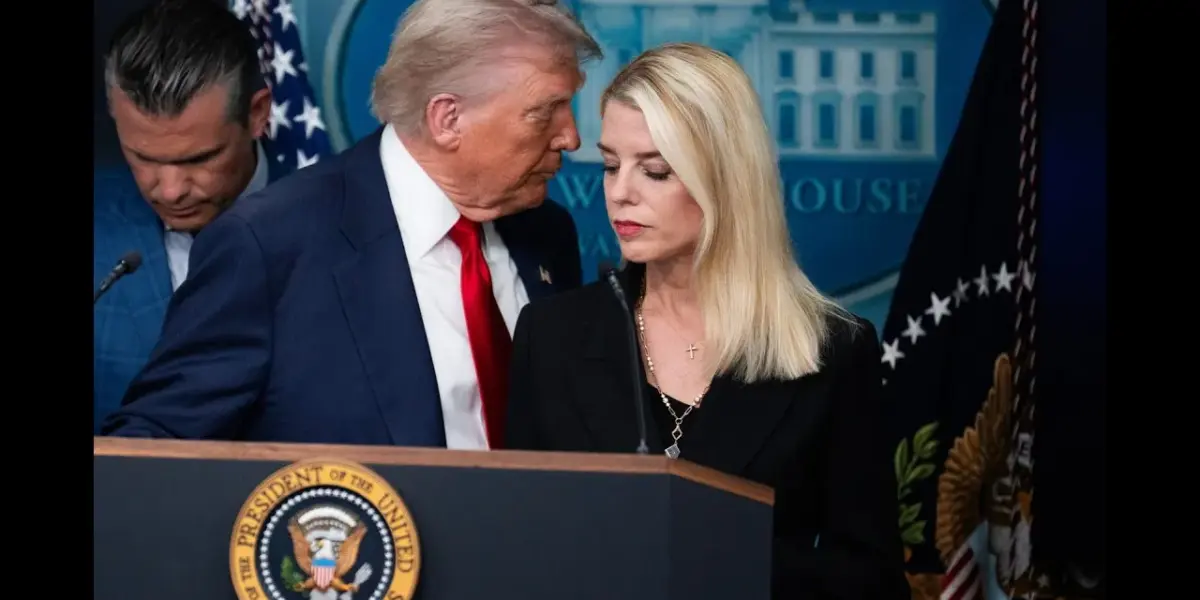
A recent foreign hacker breach of the FBI's Epstein files poses a significant national security risk, potentially enabling blackmail of implicated individuals, including high-ranking officials. The incident exacerbates concerns over accountability and alleged government cover-ups.

Epstein Files Breach Exposes U.S. to Blackmail, Analysts Warn
A recent revelation has sent shockwaves through political and security circles: a foreign hacker successfully breached the FBI’s stored files pertaining to the Jeffrey Epstein investigation in 2023. This cybersecurity lapse, reported by Reuters, raises profound questions about national security, accountability, and the potential for widespread blackmail.
The Nature of the Threat
The core concern stemming from this breach is the unprecedented leverage it grants to malicious actors. “Someone, either a person, a business entity, a foreign government, has information that they can use to blackmail people who are implicated in the Epstein files,” a commentator noted. This implicates not only individuals connected to Epstein’s illicit activities but also potentially high-ranking officials, including the President of the United States, who are reportedly seeking to keep the majority of these sensitive files from public view.
John Lindseay, a researcher at the Georgia Institute of Technology specializing in emerging technology and global security, underscored the gravity of the situation. “Who wouldn’t be going after the Epstein files?” Lindseay posited. “If you’re the Russians or somebody interested in compromise agencies are not thinking seriously about the Epstein files as a target, then I would be shocked.” This perspective highlights the strategic value of such information in the hands of state-sponsored adversaries or sophisticated criminal enterprises.
Accountability and Cover-Up Allegations
The breach exacerbates existing concerns about a perceived lack of accountability regarding Epstein’s associates. “We aren’t seeing accountability for the accomplices because this government, Trump’s government, seems more intent on protecting them than prosecuting them,” the analysis suggests. This alleged cover-up, driven by a desire to shield individuals implicated in the files, has now, paradoxically, created a new national security vulnerability.
The argument is made that the President, by being implicated in the unreleased files, is now susceptible to blackmail. This could compel actions that serve the interests of the blackmailing entity rather than the United States, a stark contrast to the “America First” rhetoric. The sheer volume of withheld documents—three million files—and the Department of Justice’s refusal to release them, even in alleged violation of a law the President himself signed, is presented as evidence of their damning nature.
“I think this is a very deliberate strategy. It shows how weak their hand was. They were getting uh disciplined or reprimanded by Judge Angelare. We were filing lawsuits. Uh they were losing public opinion. So, I think they came up with a strategy. Let’s give them something substantial, but not let’s but not give them the worst.”
– Roana, author of the Epstein Files Transparency Act
Roana’s perspective suggests a calculated release of information, designed to appear transparent while withholding the most damaging content. This tactic, she argues, makes it more difficult for victims to challenge the extent of the disclosure in court, as a significant portion of material has been released.
The Trump Factor and Media Manipulation
The narrative also delves into the role of former President Donald Trump, who is described as exceptionally media-savvy. The persistent, slow release of damaging news about the Epstein files, even over extended periods, is questioned. The argument is that if the files contained information that absolved Trump, he would have strategically ensured their full release to end the negative coverage. The continued drip of information suggests, to some observers, that the hidden contents are far worse than the ongoing media barrage.
Further fueling skepticism is the behavior of individuals allegedly close to Trump. A quote from Marjorie Taylor Greene recounts a phone call with the President where he expressed anger over her support for releasing the Epstein files, stating, “Marjorie, my friends will get hurt.” This anecdote is used to counter the idea that Trump is merely protecting allies, as his history suggests a pattern of self-preservation over loyalty to others.
A Pattern of Suspicious Events
Several other occurrences are cited as evidence of a deliberate cover-up, including:
- The Attorney General stating files were ready for release a year ago but never were.
- Right-wing influencers displaying “fake binders” of information.
- Ghislaine Maxwell’s transfer to a lower-security prison following a meeting with Trump’s deputy attorney general.
- Lauren Boebert being summoned to the Situation Room to remove her name from a discharge petition.
- Marjorie Taylor Greene distancing herself from the administration over the alleged cover-up.
- The DOJ missing a disclosure deadline by over three months with millions of files still unreleased.
- The release of files exposing victims’ names while concealing those of co-conspirators.
These events, when viewed collectively, are presented not as coincidences but as indicators of a White House focused on protecting Epstein’s associates, with the implication that Trump himself is implicated.
Why This Matters
The implications of this breach and the alleged cover-up are far-reaching. Firstly, it undermines the pursuit of justice for victims and allows potential accomplices to evade accountability. Secondly, it creates a significant national security risk. The potential for blackmail against high-level officials, including the President, could compromise U.S. foreign policy and domestic decision-making, forcing leaders to act in the interest of their blackmailers rather than the nation.
The call for transparency is framed not just as a moral imperative or a fulfillment of promises, but as a critical necessity for safeguarding national interests. The insistence on withholding information is seen as actively endangering the country.
Historical Context and Future Outlook
The discussion surrounding the Epstein files intersects with broader themes of power, corruption, and the integrity of democratic institutions. The reference to political strategies, media manipulation, and the potential for authoritarian tactics, as discussed in the later part of the transcript regarding election integrity and political maneuvering, creates a backdrop of heightened political tension. The emphasis on fighting “fire with fire” and changing tactics suggests a recognition that conventional political responses may be insufficient against determined adversaries seeking to consolidate power.
The future outlook hinges on whether these files are fully disclosed and whether those implicated face genuine accountability. The breach adds a new layer of complexity, potentially revealing the extent of foreign influence and the vulnerabilities within the U.S. intelligence apparatus. The call for “actual patriotism” and full disclosure suggests a belief that transparency is the only path to restoring trust and mitigating further risks.
The broader conversation about the need for “bold” action, as exemplified by Governor Gavin Newsom’s reflections on past decisions, suggests a growing sentiment that the current political climate demands unconventional and decisive measures. The potential for compromised leadership due to blackmail could fundamentally alter the landscape of American governance, making the resolution of the Epstein file controversy a critical test of the nation’s resilience and commitment to transparency.
Source: BREAKING: BOMBSHELL update on Epstein files (YouTube)

Related Articles

Epstein Files Erupt: Trump’s Distraction Tactics Under Fire
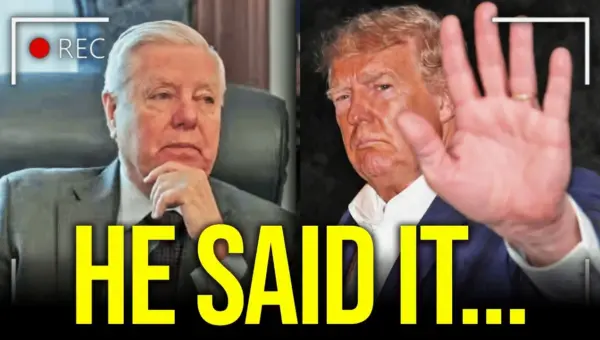
New details surrounding the Jeffrey Epstein files are surfacing, leading to accusations that former President Trump is using military actions in Iran as a distraction. Vocal allies like Lindsey Graham are defending Trump, sparking debate about political loyalty and policy coherence.
FBI Memos Reveal Verified Details in Epstein Accuser’s Account
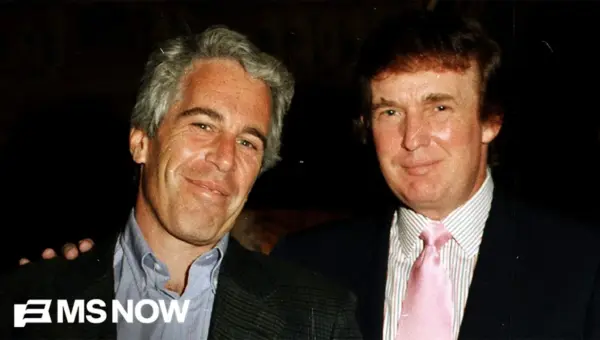
Newly released FBI memos detail an accuser's claims of abuse by Jeffrey Epstein and Donald Trump. Investigative reporting by The Post and Courier has verified key background details of the accuser's story, lending credibility to her narrative.

Trump’s Rally Unravels: War Justifications, Epstein Files, and Declining Rhetoric
A recent Trump rally in Kentucky exposed a volatile mix of contradictory war justifications, personal attacks, and a focus on political vendettas. The event highlighted concerns over declining rhetorical abilities and the spread of misinformation.