Epstein Files Erupt: Trump’s Distraction Tactics Under Fire
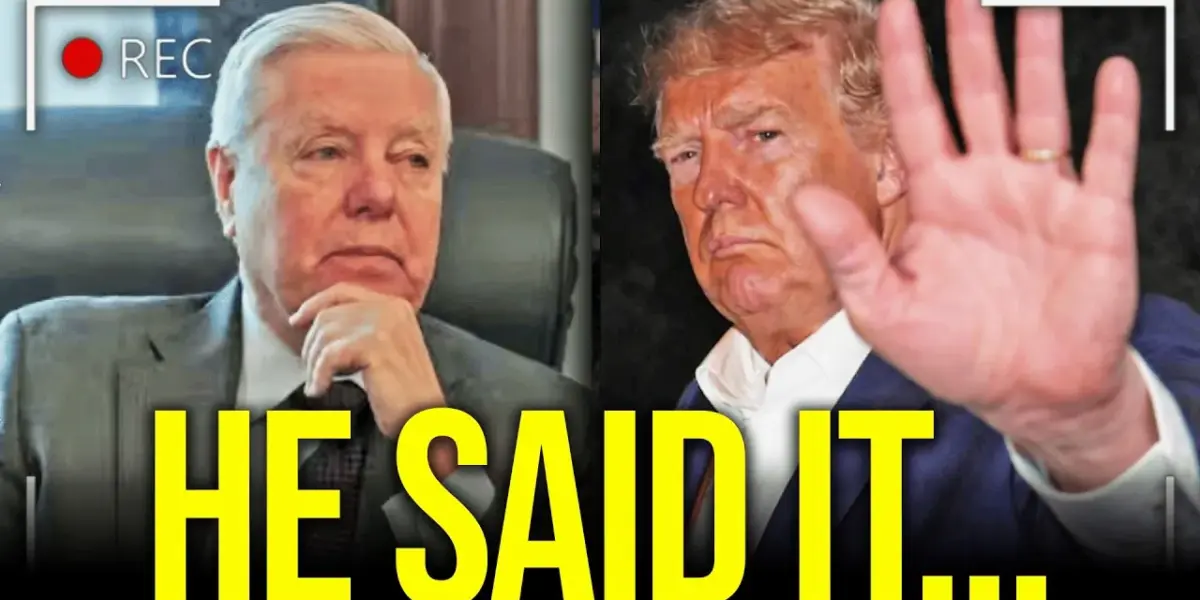
New details surrounding the Jeffrey Epstein files are surfacing, leading to accusations that former President Trump is using military actions in Iran as a distraction. Vocal allies like Lindsey Graham are defending Trump, sparking debate about political loyalty and policy coherence.

Epstein Files Erupt: Trump’s Distraction Tactics Under Fire
The long-awaited release of documents pertaining to the Jeffrey Epstein scandal has ignited a firestorm, with new details emerging that place former President Donald Trump under intense scrutiny. As these files slowly trickle out, often under duress from Congress against the Department of Justice’s apparent reluctance, a narrative of deliberate obfuscation and political maneuvering is taking shape. This unfolding drama is not only raising questions about the justice system but also about the motivations behind contemporary political actions, particularly military interventions and the fervent loyalty displayed by some of Trump’s staunchest allies.
Trump’s Defensive Posture and Allegations of Distraction
The release of the Epstein files has reportedly caused considerable unease for Donald Trump. The transcript highlights a pattern of denial and deflection, with Trump allegedly dismissing the files as a hoax or irrelevant. This defensive posture has led to speculation, amplified by public opinion polls, that recent military actions in Iran may have been strategically employed as a distraction from the escalating Epstein scandal. A significant portion of Americans, including a majority of Democrats and Independents, and a notable percentage of Republicans, believe that Trump was at least partly motivated by a desire to divert attention from the damaging revelations associated with Epstein.
Lindsey Graham: The Unwavering Trump Loyalist
Senator Lindsey Graham has emerged as a particularly vocal defender of Donald Trump amidst this controversy. His frequent appearances on Fox News, characterized by strong endorsements of Trump and sharp criticism of opposing viewpoints, have drawn attention. The analysis points to a striking shift in Graham’s public rhetoric regarding foreign policy, particularly concerning Iran and the Middle East. Previously advocating for a non-interventionist stance under Trump, he now appears to be justifying military action and regime change, while simultaneously championing Trump’s leadership. This pivot is seen by some as a clear indication of unwavering loyalty within the Republican party, a phenomenon described as being “in the cult.”
Historical Context and Shifting Rhetoric
The current geopolitical situation and Graham’s pronouncements are juxtaposed with past statements. The transcript notes the apparent contradiction between Trump’s previous promises of “no new wars” and the current military actions. Furthermore, Graham’s passionate defense of Israel and his calls for allies to “step up” are contrasted with his past positions. The piece also touches upon the broader theme of political loyalty, drawing parallels between the current Republican alignment and past political movements, suggesting a deep-seated adherence to Trump’s agenda regardless of policy shifts or emerging scandals.
The ‘Treason’ Accusation and Undermining Democracy
Adding a layer of gravity to the discussion, NAACP President Derek Johnson labels the Epstein situation and the surrounding cover-up as a “well-coordinated act of treason.” He argues that the use of blackmail to influence policymakers and undermine national interests constitutes treason, drawing parallels to January 6th and the Civil War. Johnson expresses disappointment that these files were not released sooner, suggesting a systemic failure to hold powerful individuals accountable and a potential erosion of democratic stability. This perspective frames the Epstein scandal not merely as a personal failing but as a threat to the very fabric of American governance.
Contradictions in Foreign Policy and Political Messaging
The analysis delves into the apparent contradictions within the Trump administration’s foreign policy messaging, particularly concerning Iran. While Trump’s past claims about having “completely eviscerated” Iran’s nuclear program are recalled, current justifications for military action suggest a renewed threat. The piece also highlights the perceived inconsistency in prioritizing the “Iranian people” for salvation through bombing, while simultaneously advocating for strict immigration policies. This rhetorical dissonance, coupled with Graham’s fervent justifications for military spending and regime change, is presented as a tactic to deflect from the Epstein scandal and maintain a narrative of strong leadership.
The Role of Media and Public Perception
The role of media, particularly Fox News, in shaping public perception is implicitly acknowledged. Graham’s frequent appearances and the framing of his statements suggest a coordinated effort to bolster Trump’s image and counter negative narratives. The transcript also touches upon the viral nature of certain claims, including speculation about Lindsey Graham’s personal life and its potential connection to political vulnerability. This highlights how personal accusations and media narratives can become intertwined with broader political discourse, especially during times of intense scrutiny.
Why This Matters
The unfolding Epstein scandal and the surrounding political dynamics are of profound importance for several reasons. Firstly, they raise critical questions about accountability for powerful individuals and the integrity of the justice system. The alleged delays and resistance in releasing documents suggest potential systemic flaws that need addressing. Secondly, the use of military actions as potential political distractions is a serious concern, as it can lead to unnecessary conflict and misallocate national resources. The public’s perception, as indicated by polling, that foreign policy is being manipulated for domestic political gain, erodes trust in government. Thirdly, the unwavering loyalty displayed by figures like Lindsey Graham, even in the face of mounting evidence and apparent contradictions, highlights the deep divisions within the political landscape and the challenges of objective discourse. Understanding these dynamics is crucial for citizens to critically evaluate information, hold leaders accountable, and ensure that policy decisions are made in the best interest of the nation, not for personal or political expediency.
Implications, Trends, and Future Outlook
The current situation points to several concerning trends. The weaponization of information, or the deliberate withholding of it, appears to be a recurring tactic in political maneuvering. The intense polarization within the Republican party, where loyalty to a single figure often supersedes policy coherence or ethical considerations, is another significant trend. The future outlook suggests a continued battle over the release of information, potential legal challenges, and ongoing attempts to shape public opinion. The Epstein files, once fully revealed, could have far-reaching implications for numerous individuals and institutions. The political landscape may see further fragmentation or consolidation based on how these revelations are handled and perceived. The public’s ability to discern truth from manufactured narratives will be paramount in navigating these complex times.
A Glimpse into the Political Arena
The transcript offers a candid, albeit critical, glimpse into the current state of political discourse. The language used, the rapid shifts in justification, and the fervent defenses all paint a picture of a political arena where optics and loyalty often take precedence over substantive policy or transparent governance. The comparison of political figures to “toddlers” and the descriptions of “cult-like” behavior, while inflammatory, reflect a deep-seated frustration with perceived immaturity and blind allegiance. The reference to Thomas Massie’s interaction with Trump, including the alleged threats and insults, serves as a stark illustration of the personal dynamics at play within the highest levels of power.
Ultimately, the Epstein files represent more than just a scandal; they are a lens through which to examine the health of democratic institutions, the nature of political loyalty, and the public’s right to know. As more information surfaces, the pressure will mount for transparency and accountability, potentially reshaping political alliances and public trust.
Source: Trump Stooge LETS IT SLIP on Epstien COVER UP (YouTube)

Related Articles
FBI Memos Reveal Verified Details in Epstein Accuser’s Account
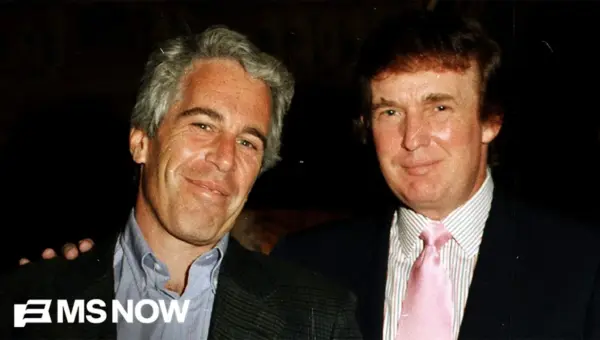
Newly released FBI memos detail an accuser's claims of abuse by Jeffrey Epstein and Donald Trump. Investigative reporting by The Post and Courier has verified key background details of the accuser's story, lending credibility to her narrative.
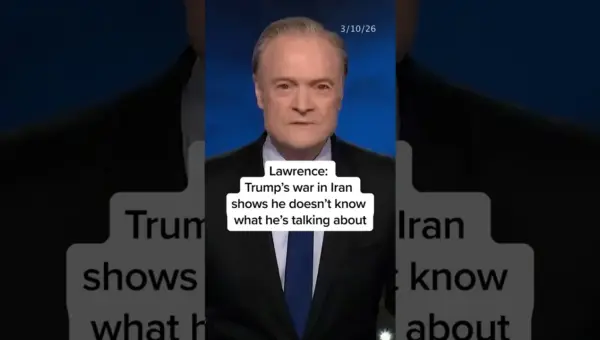
Trump’s Iran War Ignorance Exposed in O’Donnell’s Scathing Critique
Lawrence O'Donnell of MS NOW critically examined Donald Trump's understanding of foreign policy, particularly concerning a potential "war of choice" with Iran. O'Donnell argued that Trump's approach was marked by significant ignorance and a tendency towards uninformed pronouncements, raising concerns about the administration's strategic decision-making.

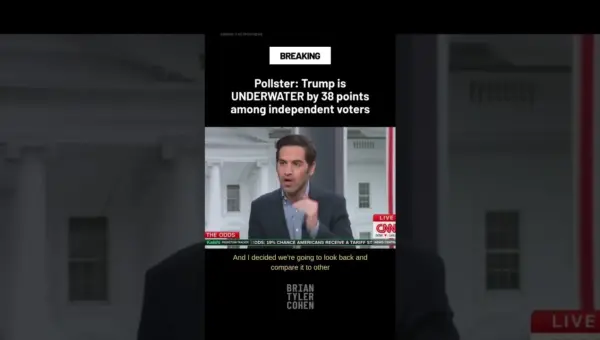
Trump’s Independent Voter Deficit Signals Deepening Political Divide
New polling data reveals Donald Trump is significantly trailing among independent voters, a crucial demographic in American politics. This deficit, larger than that faced by previous presidents, signals a deepening political divide and raises questions about future electoral viability.