Epstein Accountant Accused of Hiding Survivor Payments
A congressional oversight Democrat has accused Jeffrey Epstein’s accountant, Mr. Khan, of orchestrating the financial infrastructure designed to conceal illicit payments to victims and facilitate criminal activities. The investigation aims to expose the network of individuals who financed Epstein's global enterprise and held knowledge of his crimes.

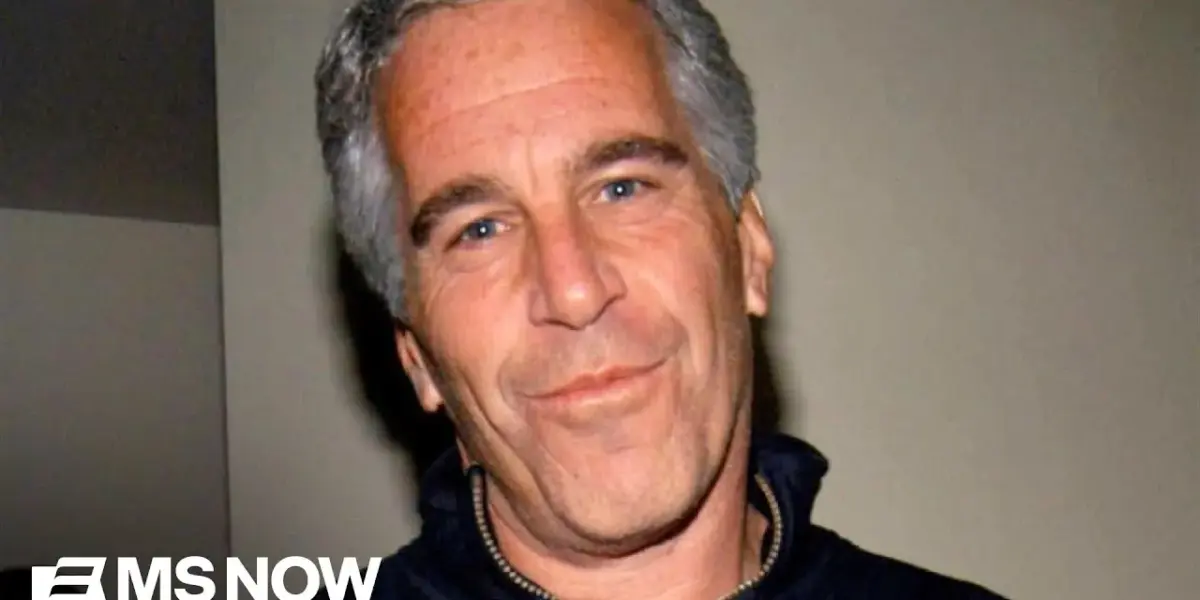
Oversight Dem: Khan ‘Designed to Conceal’ Epstein’s Criminal Enterprise
WASHINGTON D.C. – A top congressional oversight Democrat has accused Jeffrey Epstein’s long-time accountant, identified as Mr. Khan, of playing a far more significant role than his title suggests, alleging he was instrumental in constructing the financial infrastructure that enabled Epstein’s widespread criminal activities. The accusation comes as a congressional inquiry seeks to unravel the complex financial dealings and identify individuals who may have knowingly facilitated or benefited from Epstein’s abuse.
More Than Just an Accountant
During a recent discussion, a prominent figure in the oversight committee detailed the extensive involvement of Mr. Khan, stating, “Quite frankly, you know, we’re using this term accountant to describe Mr. Khan. He was much more than an accountant to Jeffrey Epstein.” According to the oversight representative, Khan’s responsibilities extended beyond traditional bookkeeping and financial management. He reportedly oversaw property renovations, managed payments to Epstein’s victims—which Khan allegedly termed ‘gifts’—and was involved in activities such as sham marriages and visa application fraud, actions typically outside the purview of a standard accountant.
For over a decade, Khan allegedly operated on Epstein’s behalf, building what the oversight committee described as the “financial scaffolding” that allowed Epstein to conduct his crimes. “Mr. Khan describes that infrastructure as kind of par for the course for a wealthy individual like Mr. Epstein,” the representative noted. However, under pressure, it was revealed that this infrastructure was “designed to conceal, to conceal payments that were made to survivors, to conceal who was on which payroll, to conceal who was getting which free apartments.” The complexity of the financial system, the committee argues, was a deliberate mechanism for hiding illicit activities.
Following the Money Trail
The ongoing investigation hinges on two core principles: ensuring victims’ voices are heard and meticulously following the money. “None of this happens the way it ultimately plays out unless there are people writing checks to Jeffrey Epstein,” the oversight Democrat emphasized. The committee is actively probing the origins of Epstein’s wealth and how it was utilized, seeking to expose the network of individuals who financed his global enterprise.
“The reality is this infrastructure was designed to conceal, to conceal payments that were made to survivors, to conceal who was on which payroll, to conceal who was getting which free apartments.”
During questioning, Mr. Khan reportedly provided names of five individuals who paid fees to Epstein. Some of these names, including Les Wexner and Leon Black, have been publicly mentioned in connection with Epstein. The committee aims to understand not only the flow of money but also the extent of knowledge these individuals possessed regarding Epstein’s criminal conduct. Khan himself, like many others implicated, claims ignorance of Epstein’s crimes, a stance the oversight committee finds increasingly difficult to accept.
Questions of Credibility and Ignorance
A significant point of contention is Mr. Khan’s claim of having no personal relationship with Epstein, which is starkly contrasted by the fact that Epstein’s will designated $25 million for him. “He said they weren’t friends, but now I don’t… My husband at this point is not leaving me $25 million in the will. Like what? So it doesn’t, it just flat out doesn’t add up,” the representative expressed, questioning the credibility of Khan’s assertions.
Furthermore, the oversight committee has raised concerns about the investigative efforts, or lack thereof, by federal agencies. “Here’s the thing that is outraging to me. The FBI never interviewed Mr. Kahn. The FBI never interviewed Mr. Indyke, the lawyer. The FBI never interviewed Les Wexner,” the representative stated. While acknowledging reports of limited FBI capacity and a focus on corroborating victim testimonies, the committee asserts that a genuine effort to follow the money and identify those who facilitated Epstein’s crimes was conspicuously absent.
Broader Implications and the Fight for Justice
The investigation into Epstein’s financial network is framed as a crucial step in a larger fight against sexual abuse and assault. The victims and survivors advocating for transparency are doing so not just for themselves but for all victims who face similar crimes, particularly those where wealth and power shield perpetrators from accountability. “At the end of the day, we have an opportunity to send a signal in this country that the law applies to everyone. We’re not going to tolerate anybody, any children being abused in the way that these survivors of Epstein were,” the oversight Democrat declared.
The Path Forward
Congressional investigations into the Epstein affair are ongoing, with the hope of concluding by the end of the current Congress. However, the process is complicated by the ongoing release of documents and further testimonies, suggesting that more revelations are yet to come. “There are a lot of cans left to be opened with worms in them because they haven’t released all the documents,” the representative noted, indicating that approximately half of the relevant files remain unreleased. The committee remains committed to pursuing every lead until the full scope of Epstein’s network and the extent of complicity are revealed.
Source: 'Designed to conceal': Oversight Dem accuses Epstein’s accountant of hiding survivor payments (YouTube)

Related Articles

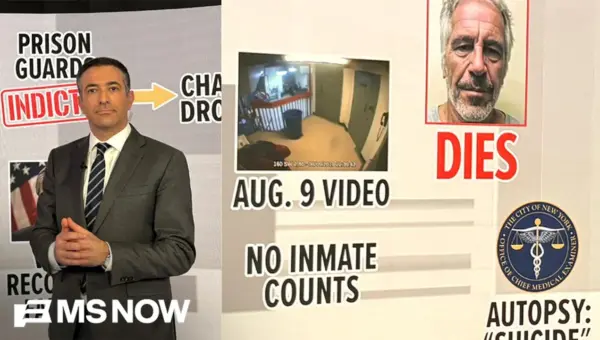
Epstein Death Probe: New Video Hints at Inmate Near Cell
Newly surfaced internal documents from the Epstein death probe reveal a "flash of orange" on FBI video logs, suggesting an inmate, not an officer, may have been near his cell. This evidence challenges the official suicide conclusion and highlights documented failures in the investigation and crime scene handling.

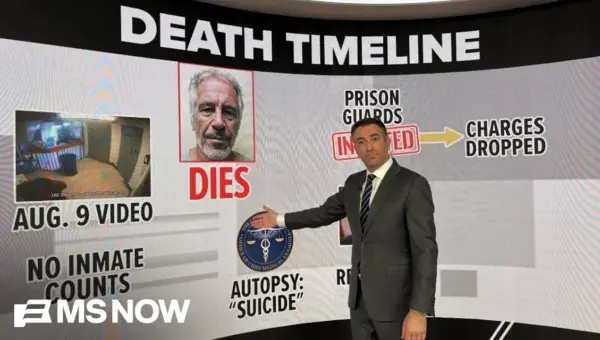
Epstein Death Probe: Trump DOJ Faces New Questions on Cover-Up
New revelations and a congressional transparency law are intensifying scrutiny over Jeffrey Epstein's death in federal custody. Allegations of a bungled investigation under the Trump DOJ and withheld documents are fueling skepticism about the official suicide ruling.

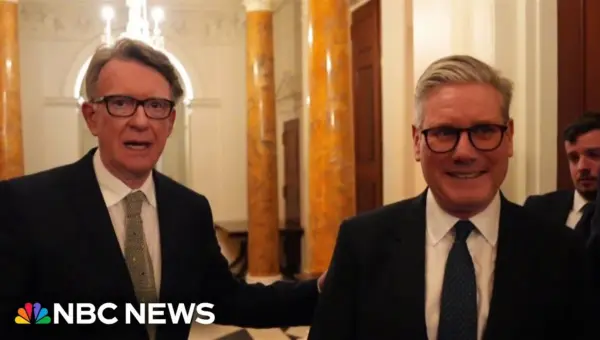
UK Docs Reveal Starmer Knew Epstein Ties Before Envoy Pick
New U.K. government documents reveal Prime Minister Keir Starmer was warned about "reputational risk" concerning Peter Mandelson's ties to Jeffrey Epstein before appointing him as U.S. ambassador. The "Mandelson Files" show Starmer received a checklist detailing Mandelson's extensive connections to the convicted sex offender.