Trump Campaign Shifts Immigration Stance, Eyes Criminals Over Mass Deportations
The Trump administration is reportedly advising House Republicans to shift their immigration focus from "mass deportations" to prioritizing the removal of violent criminals. This strategic pivot aims to broaden appeal ahead of the midterm elections, acknowledging past enforcement methods were viewed as overzealous. The move has sparked debate within the GOP, with some accusing the White House of softening its stance.

Trump Administration Pivots on Immigration Messaging
The Trump administration is reportedly urging House Republicans to recalibrate their immigration messaging, moving away from the controversial promise of “mass deportations” and toward a focus on removing violent criminals. This strategic shift, revealed by sources familiar with the matter, comes as Republicans fight to maintain their House majority in the upcoming midterm elections and signals a potential rebranding of a signature issue for former President Donald Trump.
From Campaign Trail to Course Correction
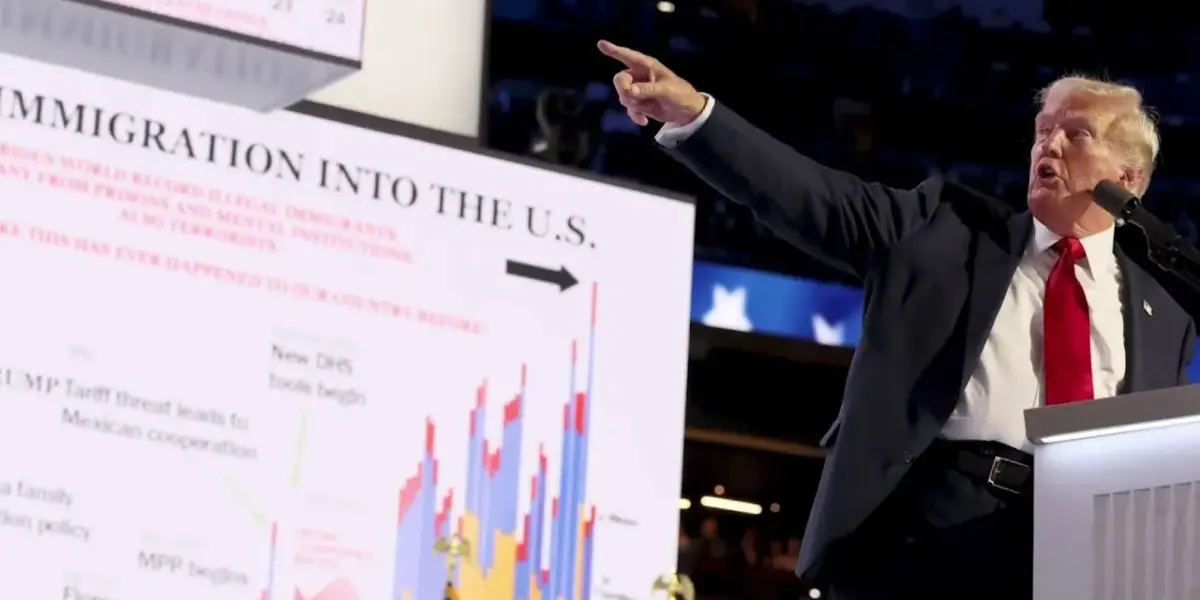
During his 2016 campaign and into his presidency, Trump repeatedly vowed to enact the “largest, largest, largest deportation” in American history. The slogan was prominently featured on signs at the Republican National Convention, underscoring its importance as a core tenet of his platform and a priority for a potential second term. However, recent directives from White House Deputy Chief of Staff and key Trump strategist James Blair suggest a move to reframe this agenda.
According to NBC News, Blair has advised Republican lawmakers to concentrate their efforts on deporting individuals with criminal records, rather than pursuing broad, sweeping deportations. This adjustment acknowledges that aspects of the administration’s immigration enforcement have been perceived as overly aggressive by some.
“Some of the immigration enforcement was viewed to be overzealous. And, you know, everybody can describe it differently. But here’s the good news. We’re in a course correction mode right now.”
Criticism and Public Perception
The “mass deportation” agenda has faced significant criticism throughout Trump’s term. High-profile supporters, such as podcast host Joe Rogan, have publicly questioned the approach, citing concerns about the humanitarian implications. Rogan famously stated, “You can’t deport gay hairdressers seeking asylum. That’s crazy. And then throw them in an El Salvador prison.”
Protests against Immigration and Customs Enforcement (ICE) raids became a nationwide phenomenon, particularly after tragic incidents involving federal agents. A notable case involved the fatal shootings of two U.S. citizens, Alex Preciado and Rene Goudy, by ICE agents. Such events have contributed to a negative public perception of immigration enforcement.
Recent polling indicates that 56% of Americans hold a negative view of ICE, with only Iran being viewed more negatively in the same poll. This public sentiment likely plays a role in the administration’s decision to adjust its messaging.
Internal Divisions Emerge
The potential shift in strategy has not been universally welcomed within the Republican party. Some conservatives have accused the White House of softening its stance on immigration enforcement. Republican Senator Mike Lee has indicated his unwillingness to comply with such a change, while others have decried it as a “disgusting betrayal.”
The White House’s official position remains that no changes are being made to the administration’s immigration enforcement agenda. A spokesperson stated that President Trump’s priority has always been the deportation of “illegal alien criminals.” This statement aims to reassure the party’s base while signaling a tactical adjustment to a broader electorate.
Strategic Calculations and Future Implications
The calculation behind this messaging pivot appears to be a strategic effort to appeal to a wider range of voters. While Trump’s base remains passionate about strict immigration enforcement, the broader electorate may be more receptive to a message focused on removing dangerous individuals rather than mass deportations. Garrett Haake, reporting for NBC News, explained that the popularity of closing the border and stopping illegal immigration remains high, but longer-term interior enforcement tactics have led to a decline in presidential approval ratings on these issues.
The administration is betting that by emphasizing the removal of “bad guys,” they can build a broader consensus and maintain support from their base, which is expected to remain loyal in red-versus-blue elections. The effectiveness of this strategy will be a key factor in the upcoming midterm elections and could influence future presidential campaigns.
Democratic Response and Political Landscape
The Democratic party faces its own strategic considerations regarding immigration. While some might see an advantage in letting the Trump administration continue with potentially unpopular enforcement actions, Democrats have actively engaged in the debate, even seeking to block funding for the Department of Homeland Security (DHS) at times. The administration’s slight pullback could be viewed as a political win for Democrats, even as the fundamental issue remains contentious.
Looking Ahead
The coming months will reveal whether this messaging shift resonates with the broader American public and the Republican base. The success of this recalibrated immigration strategy could significantly impact the Republican party’s performance in the midterms and shape the political discourse surrounding immigration for years to come. The key question remains: will the MAGA base accept this perceived reversal, and what will be the ultimate consequences for the party’s electoral fortunes?
Source: Trump administration wants House GOP to focus on removing criminals, not ‘mass deportations’ (YouTube)

Related Articles
Trump’s ‘I Don’t Know’ Plea Masks Escalating Mideast Crisis
Donald Trump's "I don't know" response to allegations of a U.S. strike on an Iranian school highlights a concerning lack of accountability and transparency in the escalating Middle East conflict. The analysis questions leadership competence amidst contradictory terminology and rising economic impacts.


Trump’s Rally Unravels: War Justifications, Epstein Files, and Declining Rhetoric
A recent Trump rally in Kentucky exposed a volatile mix of contradictory war justifications, personal attacks, and a focus on political vendettas. The event highlighted concerns over declining rhetorical abilities and the spread of misinformation.


Trump’s Iran ‘Word Salad’ Sparks Debate on Foreign Policy
MSNBC hosts Ali Velshi and Stephanie Ruhle analyzed Donald Trump's recent remarks on Iran, characterizing them as "word salad." The discussion also addressed the U.S. national debt and the future direction of the Democratic Party.