Trump’s Rally Unravels: War Justifications, Epstein Files, and Declining Rhetoric
A recent Trump rally in Kentucky exposed a volatile mix of contradictory war justifications, personal attacks, and a focus on political vendettas. The event highlighted concerns over declining rhetorical abilities and the spread of misinformation.

Trump’s Rally Unravels: War Justifications, Epstein Files, and Declining Rhetoric
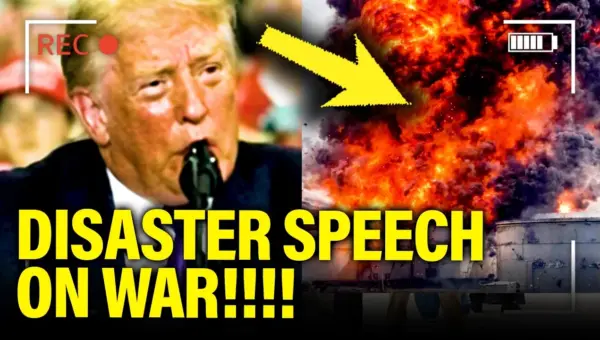
A recent Donald Trump rally in Kentucky, ostensibly a campaign event, devolved into a perplexing display of contradictory justifications for military action, bizarre personal attacks, and a clear focus on political vendettas, all against a backdrop of unfolding events that underscored the volatile nature of the former president’s public appearances.
The Spectacle of a Fainting Attendee and a Stumbling Narrative
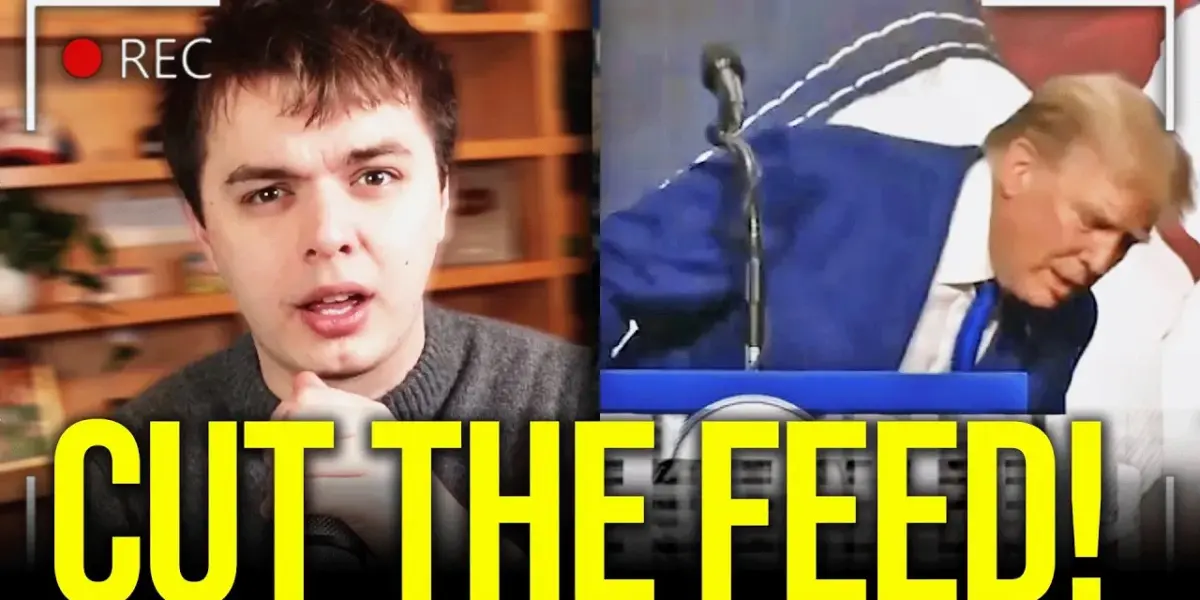
The rally, held in a district represented by Republican Congressman Thomas Massie – a figure notable for his role in releasing the Epstein files, which indirectly implicated Donald Trump – immediately signaled an unusual tone. The event was momentarily disrupted when a woman fainted behind the speaker. While such incidents can occur at large gatherings, the subsequent handling and the former president’s response, or lack thereof, drew particular attention. The feed was briefly cut, only to resume with Trump immediately pivoting to attack California Governor Gavin Newsom, accusing him of being “cognitively deficient.” This juxtaposition of a medical emergency with a political broadside, coupled with the feed interruption, painted a picture of a disorganized and perhaps desperate campaign effort.
Contradictory War Justifications and a Troubled Understanding of Policy
Central to Trump’s address was an attempt to justify a newly initiated war in the Middle East. However, his explanations were fraught with internal contradictions. He asserted the necessity of “decapacitating” Iran’s nuclear capabilities, only to later claim that this had already been achieved a year prior, necessitating a repeat action. This inconsistency left listeners questioning the rationale and efficacy of the military engagement. The transcript highlights a concerning pattern where Trump’s rhetoric on foreign policy appears to be a shifting and unsubstantiated narrative, rather than a grounded strategy. The reference to “Operation Epic Fury” and its predecessor, “Operation Midnight Hammer,” further illustrates this confusion, with claims of having “obliterated” Iran’s nuclear potential through one operation, only to suggest that Iran subsequently restarted its program, necessitating a new intervention.
The Epstein Files and a Rally’s Political Motivation
The choice of venue in Kentucky was not coincidental. The district is represented by Thomas Massie, a Republican congressman who played a key role in the release of the Jeffrey Epstein files. The analyst suggests that Trump’s decision to hold a rally in Massie’s district, particularly at a time of international conflict and economic concerns like rising gas prices, points to a primary objective: to exert political pressure on a Republican who has challenged him and exposed sensitive information. This strategic placement underscores a pattern of prioritizing personal grievances and political retribution over pressing national issues.
Rhetorical Decline and the Specter of Conspiracy
The speech was characterized by what the analyst describes as a significant decline in Trump’s rhetorical abilities. Compared to his bombastic entrance onto the political scene in 2015-2016, the current delivery is depicted as rambling and inarticulate. The opening of the rally, for instance, involved fabricating a scenario at Jesse Jackson’s funeral involving Barack Obama, a claim the transcript explicitly labels as “fanfiction” and demonstrably false. This tendency to inhabit a reality steeped in conspiracy theories, as evidenced by his engagement on platforms like Truth Social, further erodes the credibility of his pronouncements.
Attacks on Newsom and the Irony of Cognitive Deficiencies
Trump’s attack on Gavin Newsom’s cognitive abilities, while Newsom has publicly shared his struggles with dyslexia, was widely criticized as “disgusting and despicable.” The analyst points out the irony, given Trump’s own frequent misstatements, use of nonsensical percentages, and a history of espousing demonstrably false information, such as the claim that windmills cause cancer. The argument that Newsom’s dyslexia makes him unfit for office, when Trump himself struggles with articulation and factual accuracy, highlights a profound hypocrisy.
Economic Claims Versus Stark Realities
The rally also featured assertions of increased take-home pay for Americans under Trump’s potential future policies, with claims of “20 to 30% more.” These claims stand in stark contrast to prevailing economic indicators. The transcript cites rising inflation, increased unemployment rates (particularly for young and Black Americans), and a surge in the use of “buy now, pay later” services for basic necessities like groceries. Credit card delinquencies are at a 14-year high, and consumer sentiment has plummeted to a 15-year low. The assertion that college graduates struggle to find employment within a year further debunks the notion of widespread economic prosperity under the policies Trump seems to advocate.
Influencer Endorsements and the Normalization of Misinformation
The presence and endorsement of right-wing influencer Jake Paul at the rally is another point of concern. The transcript suggests that such figures are likely to amplify Trump’s narratives, including his justifications for war, without critical examination. Paul’s endorsement of Trump, and Trump’s reciprocal endorsement of Paul for a potential political future, was described as a symptom of living in a “weirdest, worst reality ever.” The visual of Paul’s prominent pit stains and the crowd’s apparent unfamiliarity with him added a layer of bizarre spectacle to this endorsement.
The JCPOA and a Misunderstood Foreign Policy Legacy
Trump’s rhetoric also touched upon the Joint Comprehensive Plan of Action (JCPOA), the Iran nuclear deal. He claimed that the deal granted Iran the right to nuclear weapons and that his termination of it prevented this outcome. However, the transcript counters that the JCPOA was designed to provide oversight and minimize Iran’s nuclear development for a defined period, with provisions for renegotiation. By terminating the deal, Trump arguably removed these constraints, leading to a more rapid acceleration of Iran’s nuclear program, a direct contradiction to his stated objective.
Why This Matters
This rally, as analyzed, reveals critical insights into the current state of political discourse and the enduring influence of Donald Trump. The event exposed a campaign strategy that relies on inflammatory rhetoric, personal attacks, and a disregard for factual accuracy, particularly concerning foreign policy and economic conditions. The endorsement of controversial figures like Jake Paul signals a further blurring of lines between entertainment, influence, and political campaigning, potentially normalizing the spread of misinformation. The contradictions in justifying military action raise serious questions about accountability and strategic coherence in foreign policy. The focus on political feuds, exemplified by the rally in Massie’s district, suggests that personal vendettas may continue to drive political decisions, overshadowing substantive policy debates.
Implications, Trends, and Future Outlook
The events at this rally are indicative of broader trends in contemporary politics: the weaponization of misinformation, the increasing role of social media influencers in shaping political narratives, and the persistent challenge of discerning truth from fiction in public discourse. Trump’s ability to command attention, even through controversial means, suggests his continued relevance in the political landscape. However, the analysis also points to potential vulnerabilities, including the perception of declining cognitive and rhetorical abilities, and the risk of alienating voters with unsubstantiated claims and a focus on personal grievances. The future outlook suggests a continued struggle for objective reporting and critical thinking amidst a media environment that often rewards sensationalism and partisan alignment. The events underscore the need for greater media literacy and a demand for accountability from political figures regarding factual accuracy and policy coherence.
Historical Context and Background
Donald Trump’s political career has consistently been marked by a disruptive approach to traditional politics and media. His 2016 campaign, characterized by bold pronouncements and a populist appeal, challenged established norms. The Epstein scandal, which resurfaced with the release of court documents, has cast a shadow over numerous public figures, and its intersection with political rallies highlights the complex web of power, influence, and scandal that often characterizes political narratives. The Iran nuclear deal (JCPOA) itself was a significant diplomatic achievement of the Obama administration, and its subsequent termination by Trump became a major point of contention, illustrating differing approaches to international diplomacy and nuclear non-proliferation. The rally’s focus on these contentious issues, delivered through a highly polarized lens, reflects the ongoing ideological divisions within American society.
Source: Trump Rally Cuts Feed Moments after Disaster (YouTube)

Related Articles

Trump’s Iran ‘Word Salad’ Sparks Debate on Foreign Policy
MSNBC hosts Ali Velshi and Stephanie Ruhle analyzed Donald Trump's recent remarks on Iran, characterizing them as "word salad." The discussion also addressed the U.S. national debt and the future direction of the Democratic Party.
Rogan Calls Trump’s Iran War Plans ‘Insane’
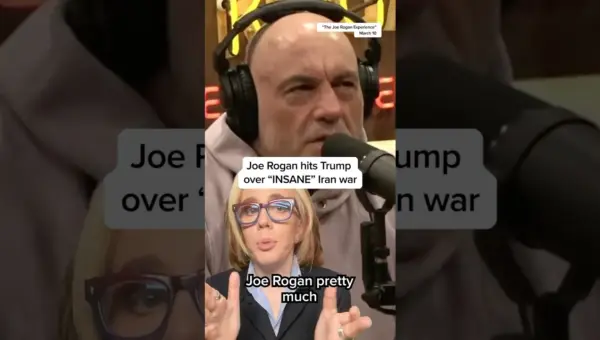
Joe Rogan has branded former President Donald Trump's potential war plans against Iran as "insane." Journalist Molly Jong-Fast noted this strong criticism suggests Trump may be alienating his core podcast-listening base.
Trump’s Kentucky Remarks: A Recipe for Regional Instability?
Former President Donald Trump's recent remarks on Iran, delivered in Kentucky, are under fire for allegedly containing "dangerous and fabricated statements." This commentary raises concerns about misinformation impacting foreign policy and regional stability.