Unemployment, Affordability Threats Loom Over Real Estate
Rising unemployment, driven by AI and economic shifts, coupled with persistent housing affordability issues, presents the most significant threats to the real estate market. Experts warn of potential recession and a growing renter nation, while investors eye opportunities amidst market disruption.

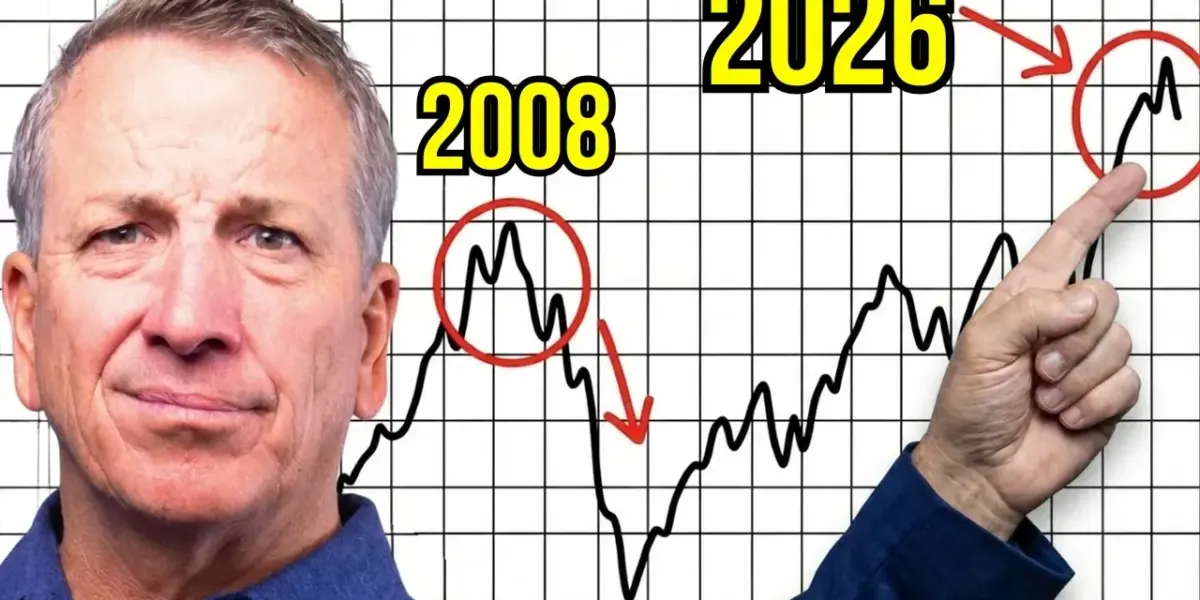
Unemployment, Affordability Threats Loom Over Real Estate
The real estate market, often perceived as a stable investment, is facing a trifecta of potential disruptions. While some predict a downturn, others see opportunities amidst the uncertainty. A prominent real estate investor, who acquired $528 million in multifamily properties last year and now manages a portfolio of 10,000 apartment units, highlights three key concerns that could reshape the market in the coming years: rising unemployment, persistent affordability challenges, and broader economic instability.
The Specter of Rising Unemployment and AI’s Impact
The most significant concern for many in the real estate sector, and indeed the broader economy, is the potential for a surge in unemployment. While official unemployment figures remain relatively low, hovering around 4.3-4.4%, deeper analysis and expert insights suggest a more complex picture is emerging. Layoff numbers, particularly in the tech and government sectors, have seen a notable increase, with 108,000 job cuts reported in January alone – the highest since 2009. This trend has led some to predict a potential recession within the next 18 months.
Adding another layer of complexity is the accelerating impact of Artificial Intelligence (AI). While the real estate industry, described as “dinosaurs” by some, has been slower to adopt AI, Silicon Valley and technology experts foresee significant disruption. Beyond automating data analysis and operational efficiencies, AI is also seen as a direct driver of job displacement. Experts warn that the full impact of AI on employment may not yet be apparent, with significant shifts potentially materializing in the coming quarters and years.
Historically, a rise in unemployment has prompted the Federal Reserve to lower interest rates to stimulate the economy. The Fed’s dual mandate of controlling inflation and maintaining full employment means that a significant uptick in joblessness could shift their focus. However, the current economic landscape, with its stubborn inflation, presents a delicate balancing act for policymakers. The distinction between official unemployment figures (U3) and broader measures like U6, which includes discouraged workers, is also crucial for understanding the true extent of labor market slack.
The implications for real estate are profound. A rise in unemployment directly impacts demand for both rental and for-sale housing, as individuals face reduced incomes and job insecurity. Historically, periods of high unemployment have seen increased government intervention through programs like Universal Basic Income (UBI) or enhanced affordable housing initiatives, which could, paradoxically, benefit landlords by keeping people housed.
Affordability Crisis Deepens for Homebuyers and Renters
Affordability remains a central challenge for the housing market, impacting both renters and aspiring homeowners. Despite a significant increase in multifamily housing supply, with a 50-year high in new apartment deliveries nationally, renter cost burdens continue to reach record highs. This is driven by a confluence of factors, including rising operational costs for landlords, such as insurance and property taxes. In areas like Seattle and Portland, rising property taxes are a direct consequence of increased municipal expenses and declining tax bases due to population shifts.
For homeowners, the cost of ownership has escalated. With average mortgage rates around 6%, the monthly payment for a modest home, including taxes and insurance, can easily exceed $4,000. This is outpacing wage growth, making homeownership increasingly unattainable for many, particularly first-time buyers. The U.S. homeownership rate, currently at 65.7%, has fallen from its peak of 69.2% in the mid-2000s. Each percentage point decline represents roughly one million individuals transitioning from ownership to renting, thereby increasing demand and putting upward pressure on rental prices.
This widening gap between rental costs and mortgage payments creates a significant barrier for renters looking to transition to homeownership. While some political initiatives aim to curb the rise of institutional ownership of single-family homes, the fundamental issue of affordability persists. The high cost of construction, driven by expensive land, labor, and materials, makes building new affordable housing a significant challenge without government support.
The multifamily sector, despite the surge in new supply, is experiencing disruption. Developers are offering incentives like free months’ rent to attract tenants, leading to increased marketing costs and vacancy battles. This dynamic creates opportunities for investors who can acquire properties at a discount, particularly those being sold below replacement cost or even below their loan value. For instance, one investor recently made an offer on a 1410-unit deal at 60% of its loan value and another on a new build at $100,000 per unit below construction cost.
Broader Economic Headwinds and Regional Variations
Beyond unemployment and affordability, broader economic factors such as inflation and the strength of the U.S. dollar introduce further uncertainty. Geopolitical events, like the attacks on U.S. and Israeli interests, can drive up oil prices, adding another inflationary pressure and complicating the economic outlook.
The impact of these trends varies significantly by region. Areas that experienced rapid price appreciation during the pandemic, such as parts of Florida, may be more vulnerable to corrections. Conversely, markets with strong job growth and sustained demand may prove more resilient. The current inventory levels, while low nationally with approximately 3-4 months of supply on the Multiple Listing Service (MLS), can mask significant regional disparities. In 2008, inventory levels reached 4 million units, a stark contrast to the current approximately 1 million units, suggesting a full-scale crash is unlikely in the immediate term, but localized distress is possible.
For real estate investors, the current environment presents a complex landscape. While the multifamily sector offers potential buying opportunities due to market disruption and high vacancy, the single-family market remains tight. The long-term outlook depends heavily on how effectively policymakers address unemployment and affordability, and how quickly AI reshapes the labor market. As one investor noted, the next two years could be a critical buying window for those who can navigate the challenges and capitalize on the inherent opportunities.
Source: The 3 Biggest Threats to Real Estate Right Now (YouTube)

Related Articles


NYC Rents Surge, Inventory Shrinks: A Market Rebound
New York City's housing market is experiencing a significant rebound, with rental bidding wars returning and apartment vacancy rates hitting a low of 1.4%. Manhattan, in particular, shows signs of being undervalued relative to rent, presenting potential buying opportunities.


Jobs Report Shock: 92,000 Lost, Threatens Trump’s Economy
A shocking jobs report revealing a loss of 92,000 jobs has cast a shadow over President Trump's economic narrative. The downturn arrives amid heightened tensions with Iran, creating a dual threat to national stability and the administration's standing.

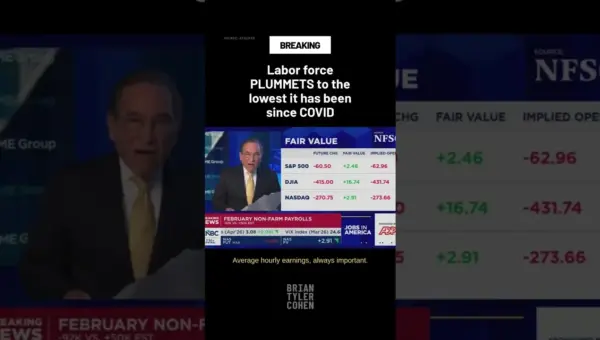
Jobs Report Shock: Labor Force Plummets to Post-COVID Lows
A shocking jobs report reveals non-farm payrolls plummeted by 92,000, pushing the labor force participation rate to its lowest point since late 2021. This downturn raises concerns about the economy's trajectory.