Trump’s Iran War: A Risky Gambit for US Stability?
President Trump's 'Epic Fury' operation against Iran nears two weeks, marked by shifting objectives and public skepticism. The administration's communication strategy and potential diplomatic fallout are raising concerns about long-term U.S. stability and Israel's security.

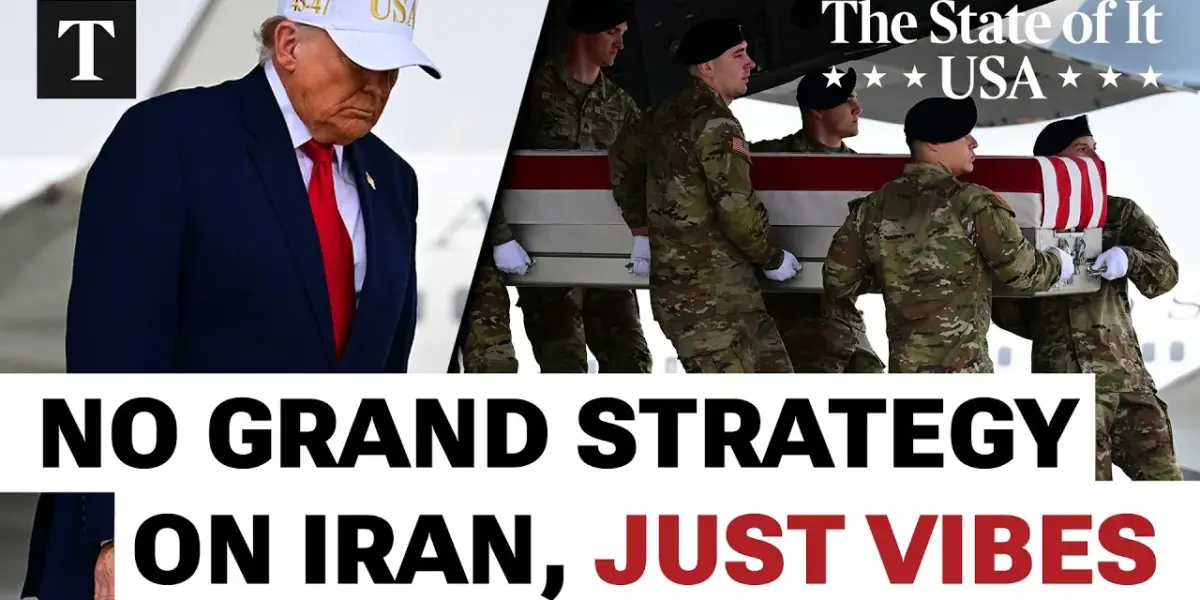
Trump Launches Iran Strikes Amidst Shifting Objectives and Public Doubt
In a bold and controversial move, President Trump has initiated military strikes against Iran, a conflict now nearing its second week. While the stated goals initially encompassed the destruction of Iran’s missile capabilities, factories, and navy, the objectives appear to be narrowing, leading to significant uncertainty both domestically and internationally regarding the ultimate aims and duration of the operation, codenamed ‘Epic Fury’. The administration insists on maintaining energy and oil flow, with the President declaring, “I will not allow a terrorist regime to hold the world hostage.” However, the unfolding situation raises critical questions about Israel’s vulnerability and the long-term implications for U.S. foreign policy.
Domestic Unease and Strategic Ambiguity
Public opinion, as indicated by early polling, has been largely negative, with a significant portion of the American populace remaining uncertain about the war’s trajectory and conclusion. This sentiment is compounded by a perceived lack of clear communication from the White House. Columnist Jerry Baker of The Wall Street Journal notes that President Trump’s objectives have been progressively narrowed, offering him an “off-ramp” to declare victory prematurely. This strategy, however, reportedly leaves allies like Israel uneasy, concerned that Iran could rebuild its capabilities, potentially trapping the U.S. in a perpetual, low-level conflict akin to the “mowing the lawn” strategy employed against Hamas in Gaza.
“You know we have Trump has narrowed down his list of objectives from you know everything to well all we really were trying to do is just to degrade Iran’s military capabilities. Now as we’ve said before that does give him the option to sort of signal an end to the war whenever he likes but there’s evidence it seems that the Israelis wouldn’t be very happy with that.”
Communication Breakdown and Historical Parallels
A significant point of contention is the administration’s communication strategy, or lack thereof. Baker contrasts President Trump’s approach to that of Winston Churchill, stating, “with Trump, you know, he he kind of douses the English language in gasoline, sets fire to it, and then drops it in a dumpster in the middle of his own parade ground.” This perceived unseriousness and triviality, exemplified by Secretary of War Pete Heesg’s “locker room halftime pep talk” style briefings and the President’s own casual demeanor, stands in stark contrast to the gravity of war. Unlike the year-long preparation for the Iraq War under George W. Bush, the public, according to Baker, largely awoke to find the U.S. at war with Iran, with no clear articulation of the threat or necessity for military action. This communication failure is seen as detrimental to Republican political standing.
International Relations Under Strain
The conflict has also strained relationships with key Arab allies. Senior figures from the UAE and Saudi Arabia have reportedly expressed frustration, questioning the U.S. involvement and demanding clearer explanations. This has been met with combative responses from some U.S. officials, further exacerbating diplomatic tensions. The handling of international relations, much like domestic communication, appears to be characterized by a lack of strategic finesse, contributing to the war’s unpopularity and isolation.
The “Intentionally Unintentional” President?
Despite the apparent chaos and mixed messages, some within the administration suggest a deliberate strategy of “strategic ambiguity,” with President Trump being “intentionally unintentional.” This perspective posits that even seemingly erratic statements or actions serve a purpose, designed to keep adversaries and allies alike guessing. The President himself, when pressed on conflicting statements about the war’s completion, offered a seemingly paradoxical response: “I think it could say both. The beginning. It’s the beginning of building a new country. But they certainly they have no navy. They have no air force… It’s all been blown up.” This ambiguity, whether intentional or not, leaves the public and international community grappling with the true intentions behind the ongoing military engagement.
2028 Republican Succession and the Shadow of the War
Beyond the immediate conflict, the Iran war is casting a long shadow over the future of the Republican party, particularly concerning the 2028 presidential nomination. Vice President JD Vance, initially reportedly skeptical of the war, has publicly aligned himself with President Trump’s decision, a move seen by some as a defensive political maneuver. However, reports suggest that Republican donors increasingly favor Secretary of State Marco Rubio, viewing Vance as potentially too closely tied to Trump and lacking authenticity. This dynamic highlights the complex political landscape shaped by the war, where loyalty, strategy, and public perception are critically intertwined. The narrative emerging is one of Vance stepping back from foreign policy, allowing Rubio to gain prominence, especially as Rubio’s profile has risen through his engagement on issues like Venezuela and Cuba. This also creates an ironic situation where Rubio, often associated with neoconservative foreign policy, gains traction within a MAGA base that is traditionally skeptical of such interventions, while Vance, supposedly more aligned with the MAGA ethos, appears to be losing ground.
The Lingering Question of Israel’s Role
A significant concern emerging post-conflict is the potential for Israel to be viewed as the primary instigator of the war. Should the conflict not result in a decisive U.S. victory, factions within the Republican party, particularly those aligned with Tucker Carlson and potentially echoed by JD Vance, may argue that the U.S. was drawn into fighting Israel’s war. This narrative could further damage Israel’s already historically low esteem in the United States, adding another layer of complexity and potential fallout from President Trump’s military engagement in Iran.
Looking Ahead: Unforeseen Consequences
The coming weeks will be critical in determining the immediate outcome of “Epic Fury” and its long-term ramifications. Whether President Trump declares an early victory or the conflict escalates, the lack of clear strategy, the fractured communication, and the strained international relationships suggest a volatile geopolitical landscape. The enduring question remains: could this strike, intended to curb Iranian aggression, ultimately leave Israel, and indeed the United States, more vulnerable in a region already fraught with instability?
Source: Could the Strike on Iran Ultimately Leave Israel More Vulnerable? (YouTube)

Related Articles

Trump Touts Economy Amid Iran War Fallout, Oil Prices Surge
President Trump is touting his economic agenda amidst rising oil prices fueled by the Iran conflict. An unprecedented 400 million barrels of oil are being released from strategic reserves to stabilize markets, while the U.S. military reports success against Iranian mine layers. Analysts and former officials question the administration's strategy and preparedness for the economic fallout.

Trump’s Iran War Miscalculation Fuels Global Oil Crisis
The Trump administration's miscalculations have plunged the Middle East into an escalating war with Iran, triggering a global oil crisis and economic instability. Revelations suggest officials downplayed risks to vital shipping lanes, leading to Iran's control of the Strait of Hormuz and soaring gas prices.


Trump’s “America First” War Rhetoric Unravels Under Scrutiny
Analysis of Donald Trump's "America First" rhetoric reveals a potential disconnect between campaign promises and the realities of foreign policy. The cost of military action is contrasted with domestic program cuts, questioning the true priorities of the agenda.