Iran’s Drone Threat: US Faces Direct Homeland Attack Risk
The FBI has issued a stark warning regarding Iran's alleged plans to launch drone strikes against the U.S. homeland from disguised vessels off the coast. This threat emerges amidst escalating regional conflicts, including attacks on Israeli territory and Iranian oil infrastructure, and signals a dangerous new phase in international tensions.


FBI Issues Stark Warning on Iranian Drone Capabilities
In a development that has sent ripples of concern through national security circles, the FBI has issued a significant alert to law enforcement agencies, particularly on the West Coast, regarding a potential Iranian threat. The intelligence suggests that Iran may be preparing to launch drone strikes directly onto American soil. This unprecedented warning, detailed in an alert reviewed by ABC News and confirmed by other outlets, indicates that Iran might possess disguised vessels positioned off the U.S. coast, capable of deploying unmanned aerial vehicles (UAVs) against unspecified targets, potentially in California. The alert, distributed in late February, stems from information acquired in early February 2026, indicating an alleged Iranian aspiration for a surprise attack using drones launched from a vessel.
The FBI’s assessment highlights a disturbing lack of specific details regarding the timing, method, target, or perpetrators of any potential attack. This ambiguity amplifies the gravity of the situation, prompting immediate concern and proactive measures from U.S. authorities. Sources suggest that these vessels could be disguised as commercial shipping containers or fishing boats, a tactic that mirrors capabilities observed in other nations, raising questions about potential technological or strategic collusion.
Escalating Tensions: A Wider Regional Conflict Unfolds
This alarming U.S. homeland threat emerges amidst a backdrop of escalating regional conflict. Recent footage shows Iranian Shahed 136 drones striking oil infrastructure in Oman, underscoring Iran’s demonstrated capability and willingness to target strategic assets. Simultaneously, Israel is reportedly facing heavy bombardment, with multiple waves of rockets and interceptions observed. The ongoing hostilities, characterized by continuous explosions and the sounds of anti-aircraft fire, suggest a significant and sustained military engagement.
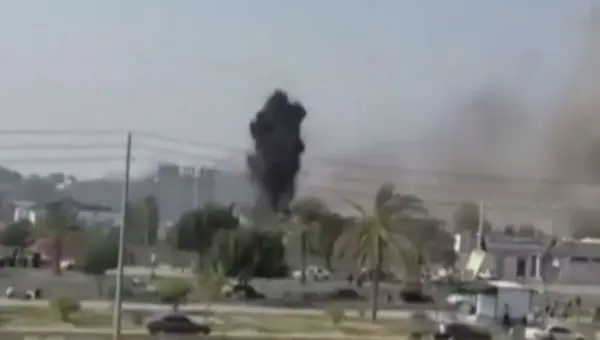
In response to these escalating actions, the United States has continued its own military operations, including strikes on militia positions loyal to the Islamic regime in Iraq. Reports also indicate that the Islamic Revolutionary Guard Corps (IRGC) is implementing heightened security measures within Iran, including setting up gun positions and checkpoints, ostensibly to quell potential public dissent or protests. Strikes have also been reported on facilities such as Bashure airport, causing significant smoke plumes.
Iran’s Economic Warfare Strategy
Beyond direct military action, Iran appears to be employing economic warfare tactics. Decision-makers within Iran have reportedly threatened to continue striking Gulf nation oil infrastructure and ports if joint U.S.-Israeli strikes on their own facilities persist or increase. The apparent objective behind these strikes on oil infrastructure is to drive up global oil prices to potentially collapse the global economy and to provoke Gulf States into pressuring the United States to de-escalate the conflict.
Trump’s Stance and Historical Context
Former President Donald Trump, when asked about the ongoing military operations, asserted that significant damage has been inflicted upon Iran’s military capabilities, including its navy, air force, and air defense systems. He highlighted the destruction of numerous mine boats and emphasized the unmatched strength of the U.S. military. Trump also stated that operations are not yet concluded, indicating a continued U.S. commitment to its objectives. This stance aligns with a historical pattern of assertive U.S. foreign policy, particularly concerning perceived threats to national security and regional stability.
The current situation also brings to mind past incidents involving attacks on U.S. interests abroad. The recent attempted bombing of the U.S. embassy in Norway, for which three Iraqi suspects have been apprehended, serves as a stark reminder of the persistent threat of terrorism and the complex geopolitical landscape. While the investigation into the Norway incident is ongoing to determine links to terror groups or the broader conflict, it underscores the global reach of these tensions.
A Glimmer of Alliance Amidst Conflict
Despite the grave threats and ongoing hostilities, there are moments that highlight the strength of alliances. Audio recordings have emerged of Israeli pilots expressing to their American counterparts that it is a “great honor” to fight alongside them, to which the American pilots responded with encouragement to “strike hard” and assurances of safety. Such exchanges, while brief, underscore the collaborative spirit and mutual respect between allied forces operating in a high-stakes environment.
Why This Matters
The FBI’s warning of potential Iranian drone strikes on U.S. soil represents a significant escalation, moving the conflict from a regional proxy battle to a direct threat against the American homeland. This development necessitates a robust and multifaceted response from U.S. leadership, encompassing intelligence gathering, defensive measures, and strategic deterrence. The potential for disguised vessels to launch attacks introduces a novel and deeply concerning dimension to national security, requiring advanced surveillance and interdiction capabilities.
Implications, Trends, and Future Outlook
The implications of this threat are far-reaching. If Iran possesses the capability and intent to strike the U.S. mainland, it signals a dangerous new phase in international relations. The trend towards asymmetric warfare, utilizing drones and unconventional methods of deployment, is likely to continue. This could force a re-evaluation of U.S. defense strategies, potentially leading to increased investment in homeland defense technologies and closer cooperation with allies to monitor maritime threats.
The economic dimension of the conflict, with Iran targeting oil infrastructure, also presents a growing concern. Disruptions to global energy supplies can have cascading effects on economies worldwide, potentially leading to inflation and instability. The interconnectedness of global markets means that regional conflicts can rapidly translate into worldwide economic challenges.
The future outlook suggests a continued period of heightened tension and potential volatility. The U.S. response, whether diplomatic, economic, or military, will be critical in shaping the trajectory of this conflict. The challenge lies in deterring further aggression without triggering a wider, more devastating war. The emphasis on disguised vessels also points to a future where distinguishing between civilian and military threats becomes increasingly difficult, complicating international law and response protocols.
In conclusion, the current geopolitical climate demands vigilance and strategic foresight. The FBI’s alert serves as a critical wake-up call, highlighting the evolving nature of threats and the urgent need for preparedness. As the situation unfolds, ongoing monitoring and adaptive strategies will be paramount for safeguarding national security and maintaining global stability.
Source: Iran Prepares DRONE STRIKES In America – Trump Must ACT FAST (YouTube)

Related Articles


Blast Rocks Tehran amid Escalating Tensions with US and Israel
A blast has reportedly occurred in Tehran, Iran, amid ongoing regional strikes by the U.S. and Israel. Video footage shows smoke rising from the capital, raising concerns about potential casualties and escalating geopolitical tensions. The incident occurs within the context of a long-standing shadow conflict over Iran's nuclear program and regional influence.


IEA Releases Record Oil Reserves to Stabilize Prices Amid War
The International Energy Agency (IEA) is releasing a record 400 million barrels of oil from strategic reserves to combat soaring energy prices and market volatility. While the move aims to stabilize supply, experts caution that it addresses immediate impacts rather than long-term solutions, emphasizing the need for secure transit through the Strait of Hormuz.
US Strike on Iranian School May Stem from Old Intel: Sources
A preliminary investigation suggests the US may be responsible for a deadly strike on an Iranian elementary school, potentially due to outdated intelligence. The incident highlights critical questions about military targeting validation processes amidst escalating regional tensions and economic fallout.