Blast Rocks Tehran amid Escalating Tensions with US and Israel
A blast has reportedly occurred in Tehran, Iran, amid ongoing regional strikes by the U.S. and Israel. Video footage shows smoke rising from the capital, raising concerns about potential casualties and escalating geopolitical tensions. The incident occurs within the context of a long-standing shadow conflict over Iran's nuclear program and regional influence.


Explosion Reported in Iranian Capital Amid Regional Strikes
TEHRAN, Iran – A significant explosion rocked the Iranian capital of Tehran on Tuesday, with initial reports and video footage emerging from the scene suggesting a blast in a densely populated area. The incident occurred amid heightened regional tensions, with the United States and Israel continuing a series of strikes and operations targeting Iran and its proxies. Details regarding the cause of the explosion and potential casualties remain scarce as authorities begin their investigation.
Unfolding Situation in Tehran
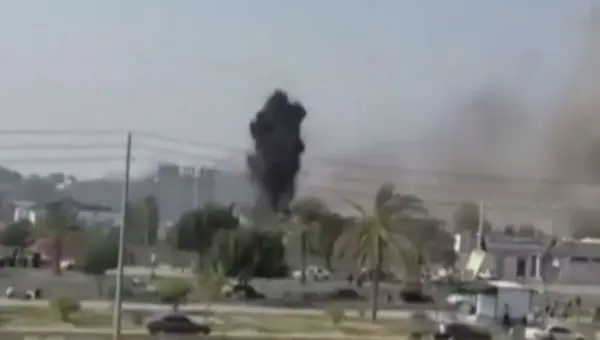
Video circulating online appears to show the aftermath of a powerful blast, with plumes of smoke rising into the sky. While the exact location and nature of the explosion are still being verified, eyewitness accounts and preliminary reports indicate it may have occurred in an industrial or military-related zone within the city. Emergency services were reportedly dispatched to the area shortly after the incident.
The timing of the explosion is particularly noteworthy, coming at a time of significant geopolitical friction. The region has been on edge, with ongoing concerns about Iran’s nuclear program and its alleged support for militant groups. Both the United States and Israel have previously indicated their commitment to preventing Iran from acquiring nuclear weapons and have engaged in a shadow conflict involving cyberattacks, sabotage, and targeted assassinations.
Regional Context: A Shadow War
The blast in Tehran can be viewed within the broader context of a protracted and often covert conflict between Iran and its adversaries, primarily Israel and the United States. For years, Israel has conducted operations within Iran to disrupt its nuclear program, targeting facilities and personnel involved in the development of nuclear materials. Similarly, the U.S. has been involved in various actions aimed at curbing Iran’s influence and military capabilities in the region.
“The region has been a powder keg for some time, and any incident like this raises serious questions about escalation and intent,” commented a Middle East analyst who requested anonymity due to the sensitive nature of the situation.
These actions, often denied or unconfirmed by the involved parties, have included alleged Israeli airstrikes on Iranian targets in Syria, which Tehran claims are aimed at disrupting weapons transfers to Hezbollah, and the reported sabotage of Iranian nuclear sites. The United States, meanwhile, has maintained sanctions and conducted drone strikes against Iran-backed militias in Iraq and Syria.
Implications and Speculation
The explosion in Tehran inevitably fuels speculation about its origins. While an accident cannot be ruled out, the current geopolitical climate leads many to consider the possibility of an external attack. If confirmed to be an act of aggression, it would represent a significant escalation, potentially drawing a strong response from Iran and further destabilizing an already volatile region.
Analysts are closely monitoring official statements from Iranian authorities, as well as reactions from Washington and Jerusalem. The lack of immediate, clear information from the Iranian government adds to the uncertainty. Historically, Iran has often been slow to release details about incidents that could be politically sensitive or attributed to foreign actors.
Broader Geopolitical Landscape
The incident occurs against a backdrop of complex international relations. Iran is currently engaged in complex negotiations over its nuclear program, with international powers seeking to revive the 2015 Joint Comprehensive Plan of Action (JCPOA). Simultaneously, Iran continues to be a significant player in regional conflicts, supporting groups like Hezbollah in Lebanon, Hamas in Gaza, and Houthi rebels in Yemen, which frequently brings it into confrontation with Israel and U.S. allies.
The ongoing strikes and counter-strikes, whether overt or covert, are part of a larger strategic game aimed at influencing the balance of power in the Middle East. The objective for actors like Israel and the U.S. often includes preventing Iran from developing advanced weaponry, including nuclear arms, and limiting its regional proxy network.
Looking Ahead
The coming days will be crucial in understanding the full scope of the Tehran explosion. Investigations into the cause will likely be intense, with both domestic and international implications. The world will be watching for any official pronouncements from Iran, the United States, and Israel, as well as for any signs of retaliatory actions or diplomatic shifts. The incident serves as a stark reminder of the simmering tensions in the Middle East and the potential for even small events to have significant consequences in this critical geopolitical arena.
Source: Video shows the scene of a blast in Tehran as the U.S. and Israel continued strikes against Iran (YouTube)

Related Articles
US Strike on Iranian School May Stem from Old Intel: Sources
A preliminary investigation suggests the US may be responsible for a deadly strike on an Iranian elementary school, potentially due to outdated intelligence. The incident highlights critical questions about military targeting validation processes amidst escalating regional tensions and economic fallout.


Iran’s Mines Threaten Global Oil: A Looming Energy Crisis
Iran's reported deployment of naval mines poses a significant threat to global oil supplies and maritime security. With the US facing reduced mine-clearing capabilities, a prolonged disruption in key shipping lanes like the Strait of Hormuz could trigger a global energy crisis and economic depression.


Trump’s Iran Stance Divides MAGA Media, Fuels Voter Dissent
Prominent MAGA media figures and voters are expressing feelings of betrayal over former President Trump's stance on Iran, arguing it contradicts his anti-war promises. This division, fueled by economic anxieties and perceived policy shifts, could impact future elections.