Strait of Hormuz Blockade Sparks Global Energy Crisis
The Strait of Hormuz, a vital global oil shipping route, is effectively shut down amidst escalating conflict between the US and Iran. This blockade has sent oil prices soaring and sparked fears of a wider energy crisis, as Iran vows to restrict passage until attacks cease. Analysts warn of significant global economic fallout and a prolonged period of instability.

Global Energy Markets Reel as Strait of Hormuz Closure Looms
A widening conflict involving the United States and Israel has effectively shut down the Strait of Hormuz, a critical chokepoint for global oil shipments, triggering escalating energy prices and mounting concerns worldwide. The strategic waterway, through which a fifth of the world’s oil passes, is now under severe strain as Iran vows to restrict vessel traffic until the ongoing hostilities cease.
US Military Strikes Iranian Assets in Strategic Waterway
In response to the escalating situation, the U.S. military has conducted strikes targeting Iranian assets in the Strait of Hormuz. The U.S. stated that over a dozen Iranian ships involved in laying mines in the vital shipping lane were destroyed. Iran, however, claims a maritime ambulance was among the vessels hit, underscoring the volatile nature of the confrontation.
Iran’s Vow: No Passage Until Attacks Cease
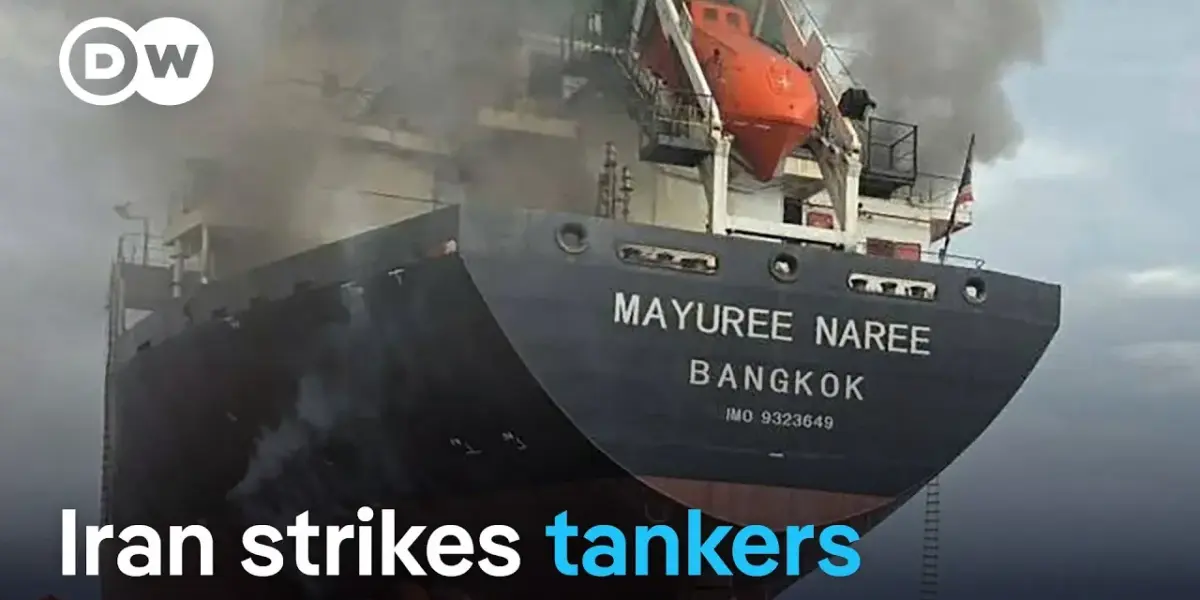
Iran has declared that it will not permit ships to transit the Strait of Hormuz until the U.S. and Israeli attacks are halted. While some vessels have managed to navigate the perilous passage, others have come under fire. Notably, at least three commercial ships were reportedly hit in the Gulf on Wednesday, with Iran taking responsibility for two of these incidents, including an attack on the Thai cargo ship, the Mai Nari.
Asymmetric Warfare: Iran’s Strategy to Squeeze Global Markets
Analysts suggest that Iran’s strategy involves leveraging its position to disrupt global energy markets, thereby increasing the cost of the conflict for the U.S. and Israel. “They can bring long-term pain for comparatively little expenditure,” noted Justin Crump, CEO of Civil Line, a strategic risk and intelligence consultancy. This approach aims to impose strategic costs that outweigh the operational successes achieved by air power alone.
Internal Dissent: Iran’s Regime Cracks Down on Protests
With conventional military objectives proving difficult to achieve, U.S. and Israeli leaders have reportedly appealed to the Iranian people to rise up against their government. However, Iran’s national police chief has issued a stark warning, stating that any individuals taking to the streets at the behest of external enemies will be treated as adversaries. “All our team have their fingers on the trigger,” he declared, indicating a zero-tolerance policy towards internal dissent.
A Strategic Deadlock: No Negotiation in Sight
The conflict appears to be mired in a strategic deadlock, with both the U.S. and Israel, as well as Iran, reportedly unwilling to engage in negotiations. This impasse prolongs the costly conflict, with resources and lives continuing to be expended.
Expert Analysis: A War of Attrition and Strategic Impact
Justin Crump, a British Army combat veteran and CEO of Civil Line, provided insights into the current state of the war. He observed that while the U.S. and Israel are achieving significant operational success in striking targets and degrading Iran’s missile and drone capabilities, these actions are insufficient to meet the stated war aims. Crump highlighted the diminishing likelihood of a popular uprising to oust the regime, suggesting that the ongoing conflict may inadvertently consolidate the regime’s power by simplifying life for citizens focused on survival.
“The more the war continues, the more the Iranian people are suffering. There is no doubt of that. And of course, the IRGC and the regime get to blame that more and more on the Americans and Israelis for doing the bombing.”
Justin Crump, CEO of Civil Line
Crump further elaborated on Iran’s assets, pointing to the resolve of the IRGC and the religious undertones of the conflict, particularly given its timing during Ramadan. He also noted that the regime benefits from the public’s focus shifting from economic woes to survival under bombardment, a phenomenon observed in Gaza as well. This shift, he argued, helps the regime consolidate power.
Regional Instability and Global Economic Fallout
The implications of the conflict extend far beyond the immediate region. Fris Poier, a defense and security analyst and CEO of Rasmos and Global, emphasized the crucial role of the Strait of Hormuz, particularly for Asian economies reliant on oil and LNG exports to countries like China and Japan. A disruption here, he explained, dramatically increases global oil and gas futures prices, impacting economies worldwide, including in Europe and the United States.
Challenges of Securing the Strait
Poier noted that Iran retains operational capabilities, particularly in naval mining, which is facilitated by the shallow waters of the Strait. The U.S. and its allies face the challenge of rapidly disabling these capabilities to ensure the free passage of vessels. While escorting commercial shipping through the strait is not unprecedented, it carries significant risks due to Iran’s capacity to inflict damage, as evidenced by recent attacks on commercial ships.
The Ticking Clock: Political and Military Pressures
The duration of the conflict is influenced by converging political and military pressures. Poier suggested that former President Trump faces a political clock ticking due to the upcoming U.S. election cycle, prompting a narrative of imminent victory. Conversely, Iran’s ability to sustain its counterattacks is limited by its dwindling supply of missiles and drones. The point at which one side exhausts its means before the other could prove decisive.
Escalation and Wider Risks
Iran’s strategy of targeting U.S. allies in the Gulf, while potentially counterproductive in galvanizing regional support for the U.S., serves as a means to escalate the conflict and exert pressure on the U.S. to deescalate. The potential for regional instability, including refugee crises, and the broader economic consequences, such as disruptions to fertilizer and other essential goods, pose significant risks. “Markets are really quite surprisingly underreacting to the scale of what is unfolding and could potentially unfold,” warned Crump, highlighting the interconnectedness of global security and economic stability.
Looking Ahead: Uncertainty and Long-Term Implications
The current trajectory suggests a prolonged period of uncertainty and elevated risk, potentially normalizing a level of global instability not seen since the Cold War. The intertwined nature of geopolitical events, from the conflict in Ukraine to the situation in the Gulf, underscores the complex challenges facing the international community. As the conflict in the Strait of Hormuz continues, the world watches closely for signs of de-escalation, potential breakthroughs in negotiations, or further entrenchment of the deadlock, with significant implications for global energy security and economic stability.
Source: Iran war update: Conflict blocks vital oil shipping route | DW News (YouTube)

Related Articles


Trump’s Iran Threats Expose Fractured Sanity Over Oil Prices
Donald Trump's aggressive threats against Iran over oil prices reveal a concerning decline in his mental stability under stress. This analysis explores the implications of such rhetoric for global stability and the critical need for cognitive fitness in leadership.


Ukraine Sends Drone Experts to Middle East Amid Rising Tensions
Ukraine has dispatched drone and military experts to Qatar, the UAE, and Saudi Arabia to help stabilize the Middle East amidst rising tensions. The move leverages Ukraine's battlefield experience in countering Iranian drone technology. The deployment underscores the interconnectedness of global security, as regional conflicts impact vital supply routes and international stability.


Tehran Life Unveiled: Glimpse Amidst Regional Tensions
An Iranian Instagram account is offering a unique perspective on life in Tehran, showcasing daily routines amidst regional tensions and reported strikes. The creator aims to alleviate stress for those worried about family, emphasizing normalcy over overt resistance.