MrBeast’s Crypto Ventures Under Scrutiny
An investigation into MrBeast's cryptocurrency investments reveals allegations of insider trading and scams, with potential profits of $23 million. While his team cites a managed fund, evidence suggests MrBeast's direct involvement and brand influence played a key role, raising ethical questions.

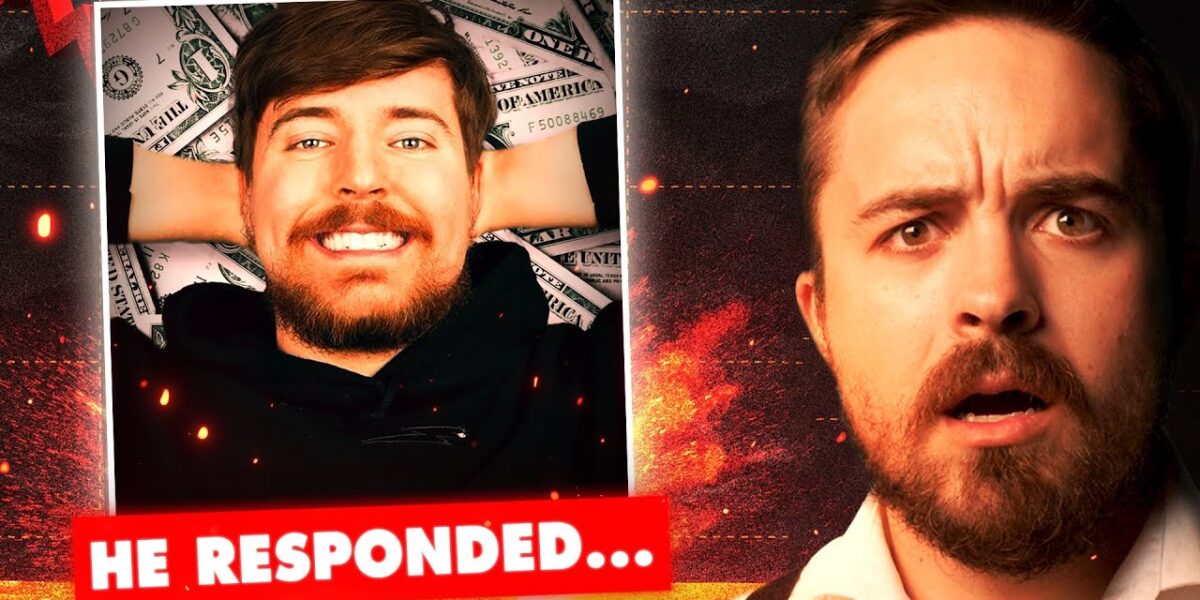
MrBeast’s Crypto Ventures Under Scrutiny Amidst Allegations of Scams and Insider Trading
In the rapidly evolving landscape of digital assets, a recent investigation into the financial dealings of YouTube megastar Jimmy Donaldson, widely known as MrBeast, has cast a shadow over his involvement in the cryptocurrency space. Allegations range from profiting via insider trading to orchestrating scams, with claims suggesting potential profits of up to $23 million. While MrBeast’s team has provided a carefully worded statement, the complexities and ambiguities surrounding his investments raise critical questions for investors and the public alike.
The core of the allegations stems from two primary sources: an investigation by SXBT, which asserts MrBeast profited $10 million from backing low-cap cryptocurrency tokens that have since plummeted by 90%, and a separate inquiry by a group of five individuals who claim to have identified $23 million in profits derived from “scams, shady deals, and his network.” This article delves into the evidence, the counterarguments, and the significant unanswered questions that persist.
Disputed Allegations and Lack of Concrete Proof
Not all allegations have been met with strong evidence. For instance, the reports mention investments in projects like Polychain Monsters (PON) and Jigstack, where MrBeast allegedly profited from insider information related to promotional deals by fellow influencer KSI. However, the investigations presented little to no concrete proof of such insider knowledge, relying instead on probabilities based on MrBeast’s association with KSI. Casper Vandal, a lead author of one of the reports, admitted to relying on “probabilities” rather than definitive evidence, a stance that the author of this article finds unconvincing.
The Super Token Case: Evidence of Alleged Profitable Trading
More substantial evidence appears to support claims surrounding the cryptocurrency project Super. The report alleges MrBeast made over $10 million from a $100,000 pre-sale investment. Leaked screenshots purportedly show MrBeast discussing a $100,000 investment with a Super founder. Furthermore, a cryptocurrency wallet, traced by both investigations to MrBeast, sent $100,000 to the pre-sale wallet and subsequently received millions of Super tokens, which were then aggressively sold during unlock periods. This activity is particularly concerning given MrBeast’s public endorsement of Super. On March 3rd, 2021, he responded to a tweet with an “eyeball emoji,” and on May 12th, 2021, he publicly replied “Super” to a tweet from the project’s founder discussing a token “set to explode during the DeFi summer 2.0.” Crucially, at the time of this second tweet, MrBeast was allegedly selling his tokens, including approximately $200,000 worth in the 72 hours following the May 12th endorsement.
“The response to a tweet discussing a token poised to explode was the very coin he was selling, signaling undervaluation while privately profiting.”
MrBeast’s Defense: A Fund’s Management
When presented with these allegations and wallet details, MrBeast’s team provided a statement through a spokesman, Matthew Hilk, a crisis management consultant. The statement asserted that the investments were “made and managed in consultation with industry experts to ensure full compliance with all appropriate rules and regulations.” It further claimed the wallet was not directly owned or managed by MrBeast but by “a fund led by respected and sophisticated managers.” This explanation, however, raises further questions: the name of the fund, the identities of the industry experts, and the specific rules and regulations that permitted public promotion while the fund was selling.
The Role of Jason Williams and Potential Direction
Further investigation points to Jason Williams, a crypto enthusiast and author, as potentially being involved with the wallet in question. Evidence includes shared connections to a Twitter account named “wuan clan,” Williams tweeting about a crypto punk sale linked to the same address, and his brand “going parabolic” being owned by the same wallet. This suggests that while MrBeast may not have directly managed the trading, Williams might have. However, a podcast clip reveals MrBeast discussing his decision to purchase CryptoPunks based on a call with Gary Vaynerchuk. He mentions buying “multiple” Punks, some of which are linked to the wallet associated with Williams. MrBeast also discusses rolling profits from Punks into another project, V-Friends, again influenced by Vaynerchuk. These statements suggest that MrBeast may have influenced, if not directed, some investment decisions made by the fund or its managers.
Earn Token: Charity Auction and Simultaneous Selling
Another significant allegation involves the Earn token (later referred to as Aity Chain). While MrBeast’s team claims they communicated with a fund manager, not MrBeast directly, his name was publicly listed on the Aity Chain website as both an investor and partner. This partnership was associated with a charity NFT drop aimed at cleaning oceans, with proceeds going to charity. However, during the two-month charity auction, the fund allegedly sold over $2 million worth of Earn tokens within the first month. The author acknowledges that the NFT auction itself was largely unsuccessful, but selling tokens while a charity initiative bearing his name was ongoing is described as “wrong, stupid and unethical.” The fact that MrBeast’s name, not the fund’s, was used on the project’s website implies a level of personal responsibility and awareness.
XCAD Token: Pre-sale, Dumping, and Reputational Damage
Regarding the XCAD token, MrBeast was involved in the pre-sale, and his name was used in articles promoting this fact. This generated significant excitement among investors, partly due to the anticipation of potential “creator tokens” from MrBeast and KSI. However, contrary to expectations, MrBeast’s fund allegedly engaged in heavy dumping of XCAD tokens shortly after listing, a move that surprised even the founder of XCAD, Oliver Bell. Bell claims he discussed the negative impact of quick token flipping with Jason Williams and was given the understanding that they were aligned on holding. He reportedly messaged MrBeast directly about his team potentially ruining reputations, though proof of this message was later deleted from Telegram.
Market Impact and Investor Considerations
The central tension in these allegations lies in the use of MrBeast’s immense brand influence. While his team insists on the separation between MrBeast and the fund’s trading activities, the evidence suggests a complex interplay. MrBeast’s public endorsements, his name being listed on project websites, and his alleged direction of certain investments create a strong association. When these ventures result in significant profits for the fund, particularly during periods of public promotion or charity initiatives, it raises ethical and potentially legal questions.
Investors are left to ponder whether the success of these crypto ventures was driven by genuine market insight or the unparalleled power of the MrBeast brand. The lack of transparency from MrBeast’s team and the reliance on a heavily lawyered statement that offers no direct accountability for the alleged actions leave many unanswered questions. The core issue remains: if a brand as influential as MrBeast’s is leveraged to gain preferential treatment in pre-sales, influence public perception, and potentially profit from the associated hype, can the individual truly distance themselves from the outcomes, especially when those outcomes are perceived as unethical or harmful?
The narrative presented highlights a critical aspect of influencer marketing in the digital asset space: the potential for significant reputational risk when endorsements are coupled with aggressive trading strategies. While the legal boundaries of insider trading and market manipulation are complex, the ethical implications of leveraging a massive public following for financial gain, especially when it involves potentially misleading the audience, are profound.
Ultimately, the question of whether MrBeast’s actions crossed the line from “shady” to “illegal” remains open, heavily dependent on how one interprets the available evidence and fills the significant gaps left by the lack of direct comment from MrBeast himself.
Source: Investigating MrBeast (YouTube)

Related Articles


Prediction Markets: Betting on War or Gathering Intelligence?
Prediction markets are drawing millions in bets on future events, including geopolitical conflicts. Experts question if these platforms offer genuine intelligence or simply profit from global instability. Research indicates most Americans view them as gambling, not investing, with young men driving their increased use.

Crypto Market Roars Back Amid Geopolitical Calm
Cryptocurrency markets are experiencing a surge in optimism, driven by easing geopolitical tensions and positive economic signals. Bitcoin has rallied, and traditional markets are also showing strength, indicating a broad shift in investor sentiment. Regulatory clarity and a generational wealth transfer are further supporting the positive outlook for digital assets.

Crypto Giant Denies Trump Ties, Blasts Biden’s “War on Crypto”
Crypto leader CZ strongly denied any business ties with former President Trump, calling such claims "baloney." He also criticized the Biden administration's "stiff regulatory agenda" against digital assets. CZ discussed writing his memoir from prison and his vision for Bitcoin's future.