Beirut Under Fire: Israeli Strikes Intensify Humanitarian Crisis
Beirut faces intensified Israeli airstrikes, deepening a severe humanitarian crisis with 700,000 displaced. The escalating conflict fuels public frustration with Hezbollah and strains Lebanon's fragile government amidst an ongoing economic collapse.

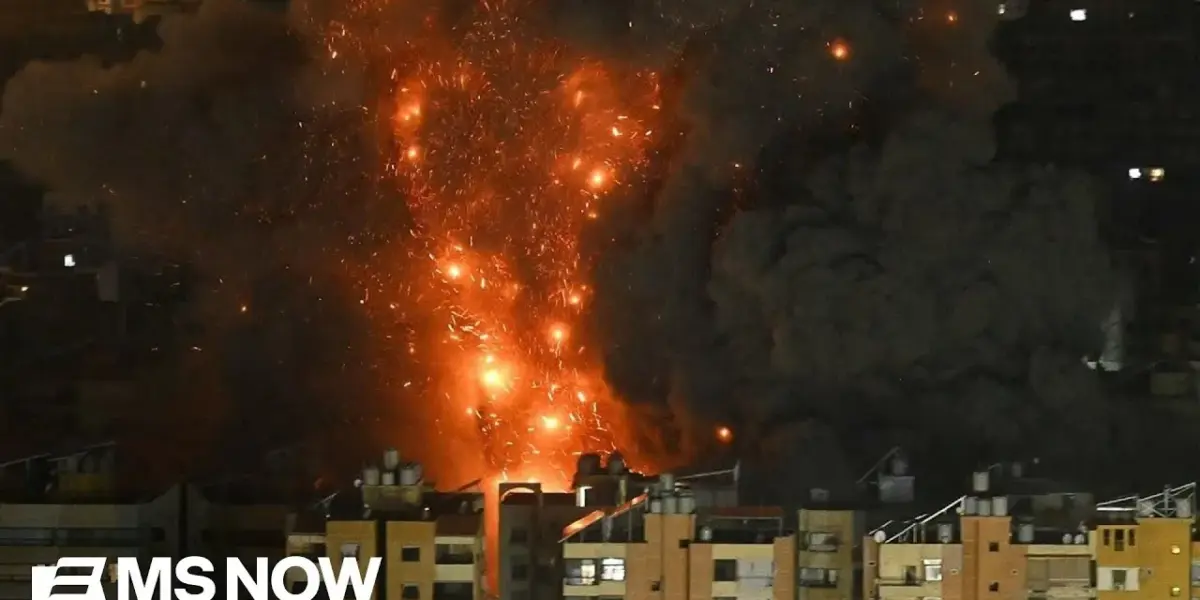
Beirut Targeted as Regional Conflict Escalates
Lebanon’s capital, Beirut, has become a focal point of escalating regional conflict, enduring a relentless wave of Israeli airstrikes that have pummeled the city and its surroundings for days. Thick columns of smoke have been a recurring sight, rising from areas previously considered safe havens, including central Beirut neighborhoods far from the traditional frontlines in the southern suburbs and southern Lebanon. These strikes, often occurring without warning, have instilled widespread fear among residents who once believed the capital would be spared.
Humanitarian Crisis Deepens Amidst Bombardment
The intensifying conflict has exacerbated an already dire humanitarian situation in Lebanon. According to United Nations figures, approximately 700,000 people have been displaced since the start of the hostilities. While some 100,000 individuals are housed in government shelters, including public schools, many others face dire circumstances. Associated Press reporter Karim Chahaiba, reporting from Beirut, described the grim reality: “If you don’t have the money to kind of rent out an apartment, you don’t have friends and family to stay with. I’ve been speaking to people who have been staying on the streets or sleeping in their cars. So it has been a mess.”
A recent strike at dawn targeted an apartment building in the Aisha Bakkar neighborhood of central Beirut, wounding at least four people. This incident, the second attack in the heart of the capital in recent times, highlights the widening reach of the conflict and the growing vulnerability of the civilian population. The lack of immediate comment from the Israeli military on specific targets underscores the uncertainty and fear gripping the city.
Mounting Pressure on Lebanon’s Government
The escalating violence and deepening humanitarian crisis place immense pressure on Lebanon’s newly formed government, established just last year. The administration faces the daunting task of navigating the complex regional war and seeking an end to the fighting, all while the country is still reeling from the economic fallout of previous conflicts. Lebanon, described as a “small fish in a big pond in the Middle East,” lacks the capacity for extensive rebuilding, raising concerns that the current security and humanitarian impacts could have long-lasting repercussions.
Shifting Public Sentiment Towards Hezbollah
The sustained Israeli strikes and their devastating consequences are beginning to fray the support for Hezbollah within Lebanon, even among its traditional base. Chahaiba noted that “from people I’ve spoken to, the consequences of the war already have brought about a lot of frustrations with Hezbollah, including people who still sympathize with them, particularly from the Shiite Muslim community.” Many are increasingly frustrated by what they perceive as Lebanon being dragged into a conflict that is not their own, potentially linked to Iran’s geopolitical struggles with the United States and Israel. This sentiment exists even as the community remains deeply angered by Israeli actions that have destroyed homes and villages and led to mass evacuations.
Hezbollah’s Dual Role and Public Division
Hezbollah’s position as both an armed militant group and a significant political entity, with representatives in parliament and cabinet, makes its role in the conflict particularly complex. For decades, the organization has been a divisive force in Lebanese society. While many are loyal, a growing segment of the population is expressing exhaustion and a desire for a different path. “A large segment of the country is sort fed up of being dragged into war time and time again,” Chahaiba observed, highlighting the precarious position many Lebanese find themselves in, caught “between a rock and a hard place.”
Economic Woes Compound Security Crisis
The current security and humanitarian crisis unfolds against the backdrop of Lebanon’s crippling economic crisis. Years of financial instability have left the nation ill-equipped to handle the immense costs associated with widespread displacement and destruction. The fear is palpable that the ongoing conflict will prolong this suffering and hinder any prospects for recovery, leaving citizens yearning for stability and a future free from perpetual warfare.
Looking Ahead
As Beirut continues to absorb the impact of the strikes, the international community and Lebanese citizens alike will be watching closely to see how the government responds to the escalating humanitarian needs and the growing public frustration. The potential for shifts in domestic support for Hezbollah, coupled with the broader regional dynamics, will be critical factors in determining the trajectory of the conflict and its long-term consequences for Lebanon.
Source: Israeli strikes hit Lebanon's capital of Beirut (YouTube)

Related Articles

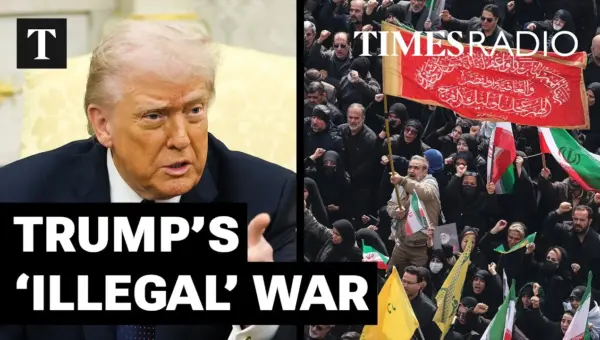
Iran War: An ‘Israeli Expansionist Project,’ Activist Claims
An activist has described the ongoing conflict in Iran as an 'Israeli expansionist project,' facilitated by the U.S. Susan Tamasi highlighted the devastating humanitarian impact, including the destruction of civilian homes and the erosion of women's rights. She criticized external calls for regime change, arguing that military interventions have historically led to chaos and destruction, not liberation.
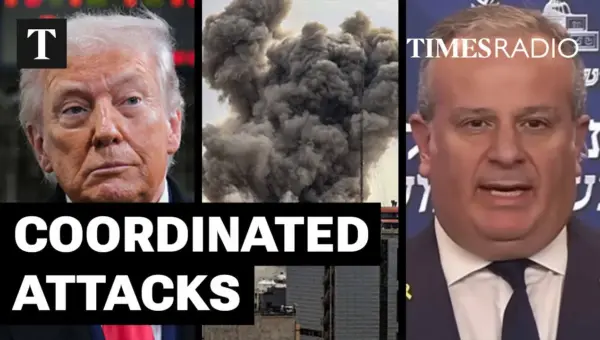
Israel, US Coordinate Daily on Iran Threat, Spokesperson Says
Israeli Prime Minister Benjamin Netanyahu and U.S. President Donald Trump are in daily contact as part of a coordinated effort against Iran. Israel's spokesperson detailed "Operation Rising Lion," aimed at dismantling the Iranian regime and creating an opportunity for the Iranian people to achieve freedom.

Israel-Iran Tensions Escalate: A New Middle East War Looms
Israel and Iran are on the brink of a major conflict, each citing existential threats and self-defense as justifications for their actions. The international community is urgently seeking diplomatic solutions to prevent a wider regional war with potentially devastating global consequences.