EU Chief Urges End to Russian Fossil Fuels Amid Price Surge
European Commission President Ursula von der Leyen urged EU leaders to immediately pivot away from Russian fossil fuels, citing a €3 billion increase in import costs over 10 days. She warned that returning to Russian energy would be a 'strategic blunder' and stressed the importance of homegrown renewables and nuclear power for long-term security.

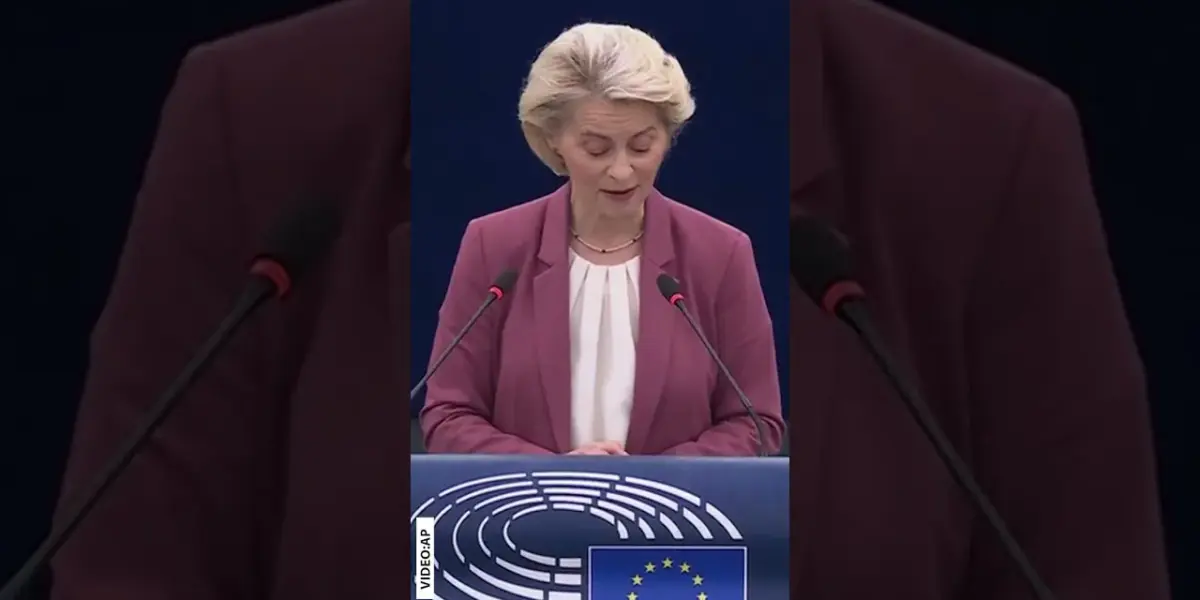
Von der Leyen Demands Swift Action on Energy Independence
Brussels, Belgium – European Commission President Ursula von der Leyen issued an urgent call to European Union leaders this week, strongly advocating for a decisive pivot away from Russian fossil fuels in the face of escalating prices and the ongoing conflict in Ukraine. Speaking to the European Parliament, von der Leyen highlighted the significant financial burden placed on European taxpayers due to the bloc’s reliance on Russian energy, framing it as a critical juncture for the EU’s energy security and strategic autonomy.
Economic Fallout of Energy Dependence
The economic repercussions of the conflict’s impact on global energy markets are stark. Von der Leyen revealed that since the beginning of the conflict, gas prices have surged by a staggering 50%, while oil prices have climbed by 27%. Over a mere ten-day period, these increases have translated into an additional cost of three billion euros for European taxpayers, solely for fossil fuel imports. “Additional. That is the price of our dependence,” von der Leyen stated, emphasizing the direct financial consequence of the EU’s current energy strategy.
The Case for Homegrown Energy Solutions
In contrast to the volatile prices of imported fossil fuels, von der Leyen pointed to the stability of domestically sourced energy. “We have energy sources that are homegrown, renewables and nuclear. Their prices have remained the same over the last 10 days,” she observed. This contrast underscores the inherent vulnerability associated with relying on external energy suppliers, particularly those with geopolitical agendas that can disrupt supply chains and inflate costs.
Rejecting a Return to Russian Fossil Fuels
Despite the immediate economic pressures, von der Leyen firmly rejected the notion of reverting to Russian fossil fuels as a short-term solution. She characterized such a move as a “strategic blunder,” warning that it would only serve to deepen the EU’s dependence, increase its vulnerability, and ultimately weaken its geopolitical standing. “Some argue that we should abandon our long-term strategy and even go back to Russian fossil fuels. This would be a strategic blunder. It would make us more dependent, more vulnerable, and weaker,” she asserted.
Maintaining Course on Long-Term Strategy
The President’s address was a clear endorsement of the EU’s existing long-term strategy, which prioritizes the expansion of renewable energy sources and the continued role of nuclear power. She urged member states to “stay the course of our long-term strategy,” reinforcing the commitment to a diversified and sustainable energy future. This strategy aims to bolster energy security by reducing reliance on any single supplier and by investing in clean, domestically produced energy.
Broader Implications for the EU
Von der Leyen’s remarks signal a critical moment for the European Union’s energy policy. The current crisis, exacerbated by Russia’s actions, has laid bare the strategic risks of energy dependence. The appeal to accelerate the transition to homegrown energy sources like renewables and nuclear power is not merely an economic imperative but a geopolitical one. By diversifying its energy mix and investing in sustainable alternatives, the EU seeks to enhance its resilience against external shocks and strengthen its position on the global stage. The significant financial outlay for imported fossil fuels highlights the urgent need for structural changes in how the EU sources and consumes energy, potentially accelerating investments in green technologies and infrastructure.
The Path Forward
As the EU grapples with the immediate consequences of rising energy prices, the focus is shifting towards concrete actions that will expedite the transition to energy independence. Attention will be on how quickly member states can implement policies that foster investment in renewables, streamline the deployment of nuclear energy where applicable, and reduce overall energy consumption. The coming months will be crucial in determining whether the EU can successfully navigate this challenge and emerge with a more secure, sustainable, and strategically autonomous energy future, less susceptible to the geopolitical machinations of external powers.
Source: 💥Ursula urgently addressed the EU over Russia! (YouTube)

Related Articles
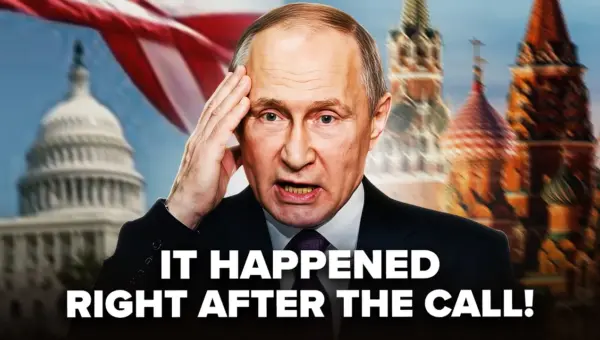
Trump Urges Putin to Focus on Ukraine Peace in Call
Former U.S. President Donald Trump spoke with Vladimir Putin, urging him to prioritize ending the Ukraine war. The conversation comes as the U.S. hints at lifting some Russian oil sanctions to combat rising global energy prices.

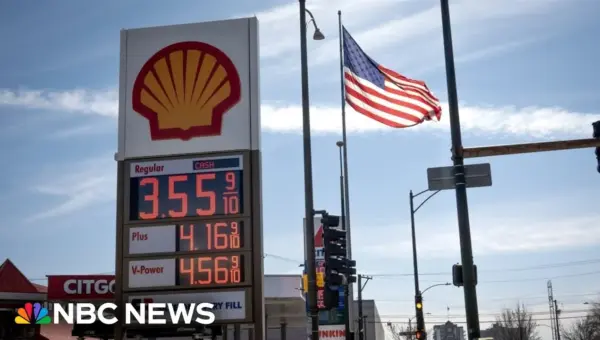
February Inflation Holds Steady at 2.4%, Future Concerns Loom
February's inflation rate held steady at 2.4% year-over-year, meeting expectations but remaining above the Federal Reserve's target. While current figures predate Middle East conflict, rising energy prices are expected to significantly impact March's inflation report.


Iran War’s Hidden Cost: Russia’s Military Weakens Dramatically
The war in Iran is proving to be a strategic misstep for Russia, significantly weakening its military capabilities and undermining its war effort in Ukraine. Perceived benefits like higher oil prices are fleeting, while dependence on Iranian drone technology creates a critical vulnerability. Meanwhile, Ukraine gains geopolitical leverage and expertise in drone warfare.