Middle East Conflict Fuels Oil Price Surge: A Global Economic Threat
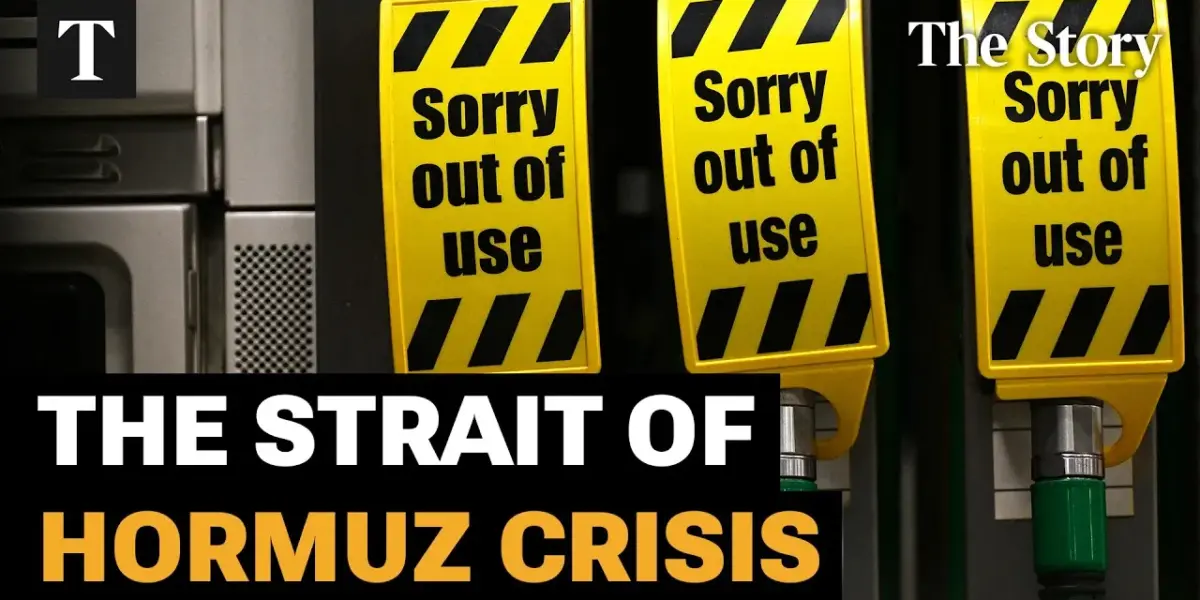
Middle East conflicts are driving up global oil prices, impacting everything from household goods to food security. This surge highlights the Strait of Hormuz's critical role and the historical precedent of oil influencing geopolitical events. The economic repercussions extend domestically, affecting everything from fuel costs to mortgage rates.

Middle East Conflict Fuels Oil Price Surge: A Global Economic Threat
As geopolitical tensions escalate in the Middle East, global oil and gas prices have surged, sending shockwaves through international markets and impacting household goods worldwide. The region’s critical role in energy production means that conflicts there have an immediate and profound effect on the global economy, a dynamic with deep historical roots and significant implications for future stability.
The Strait of Hormuz: A Vital Chokepoint
The current volatility is underscored by the strategic importance of the Strait of Hormuz, a narrow waterway through which a significant portion of the world’s oil supply transits. Dr. Ellen R. Wald, Senior Fellow at the Atlantic Council’s Global Energy Center, highlights this chokepoint as a critical factor. “The Strait of Hormuz is the world’s most important chokepoint,” she explains, emphasizing its pivotal role in global energy security. Any disruption to shipping in this vital artery can have immediate and far-reaching consequences.
Shipping Disruptions and Immediate Price Spikes
The transcript details how disruptions to shipping routes, particularly in key areas like the Strait of Hormuz, lead to swift and sharp increases in oil prices. Harry Wallop, consumer journalist and Times Radio contributor, notes the immediate market reaction. “Why shipping disruptions cause immediate price spikes,” is a core question explored, as the market anticipates potential shortages and prices adjust accordingly. This rapid response mechanism demonstrates the fragility of global supply chains and the sensitivity of oil markets to perceived threats.
Strategic Reserves: A Buffer Against Crisis
In an effort to mitigate the impact of supply crises, governments maintain strategic petroleum reserves. These reserves are designed to be deployed during emergencies to stabilize markets and ensure continued supply. The podcast segment “Strategic reserves: Tools to mitigate a supply crisis” delves into the mechanics and effectiveness of these reserves. They serve as a crucial tool for governments to cushion the blow of sudden supply disruptions, offering a temporary buffer against extreme price volatility.
Domestic Impact: From Fuel Pumps to Mortgages
The effects of rising oil prices are felt acutely at the domestic level. In the UK, for instance, the impact extends beyond the price at the petrol pump to influence broader economic factors. “From pumps to mortgages: The UK domestic impact” illustrates how fluctuations in energy costs can ripple through the economy, affecting everything from household budgets to the housing market. Higher energy bills translate to increased costs for consumers and businesses alike, potentially slowing economic growth.
The Fertiliser Link: Energy Dictates Food Security
Beyond transportation and heating, energy prices have a direct correlation with food security. The production of fertilisers, a key component in modern agriculture, is heavily reliant on natural gas. The segment “The fertiliser link: How energy dictates food security” explains this critical connection. When energy prices soar, so too does the cost of fertiliser, leading to increased food production costs and potentially higher food prices for consumers globally. This highlights a less obvious, yet equally significant, consequence of energy market instability.
Historical Perspective: Oil’s Role in World War II
The influence of oil on global conflicts is not a new phenomenon. The transcript draws a historical parallel to World War II, where control over oil resources was a significant strategic objective. “Historical perspective: Oil’s role in World War II” examines how nations vied for access to oil fields, recognizing its indispensable role in powering military machinery and sustaining war efforts. This historical context underscores the enduring strategic importance of oil in international relations and warfare.
The Resource Curse and Political Instability
The abundance of natural resources, particularly oil, can paradoxically lead to political instability and economic challenges, a phenomenon known as the “resource curse.” The discussion on “The resource curse and political instability” explores how countries heavily reliant on oil exports can become vulnerable to price fluctuations and internal corruption, hindering diversified economic development and fostering unrest.
Energy as a Weapon in Modern Foreign Policy
In contemporary global politics, energy has become a potent tool in foreign policy. Nations can leverage their control over energy resources or their dependence on energy imports to exert influence and achieve geopolitical aims. The segment “Energy as a weapon: Oil in modern foreign policy” sheds light on how energy has evolved from a mere commodity to a strategic instrument shaping international relations, sanctions, and diplomatic negotiations.
Looking Ahead
As the situation in the Middle East continues to evolve, the global economy remains vulnerable to fluctuations in oil prices. The interplay between geopolitical conflict, energy markets, and everyday life is a stark reminder of our interconnectedness. Future developments will likely focus on the effectiveness of strategic reserves, the potential for diplomatic resolutions, and the long-term implications for global energy security and economic stability.
Source: Why Oil Prices Soar During Middle East Conflicts Explained (YouTube)

Related Articles


Iran Conflict Escalates, Conflicting Statements Fuel Market Volatility
Conflicting statements from former President Trump and Israeli leadership, coupled with Iran's escalating tactics in the Strait of Hormuz, are fueling market uncertainty. Investors face a complex geopolitical risk landscape, with oil prices and broader market sentiment highly sensitive to developments.


Iran’s Strait of Hormuz Attacks Spark Global Oil Fears
Escalating attacks targeting critical infrastructure around the Strait of Hormuz have disrupted global oil supplies and sent prices soaring. Experts question the feasibility of U.S. escort plans and criticize the administration's unclear war aims and handling of alleged Russian support for Iran.

US Escalates Strikes on Iran; War Enters 12th Day
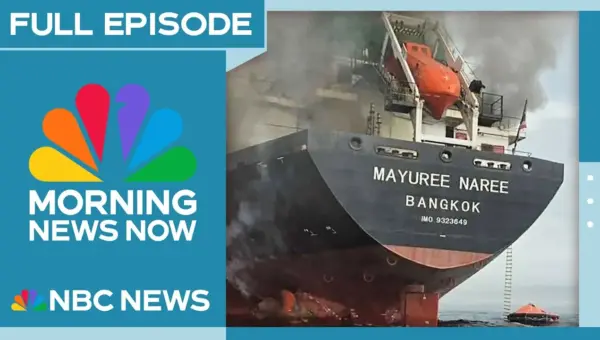
The U.S. has launched its most intense strikes against Iran yet as the war enters its 12th day, targeting mine-laying vessels near the Strait of Hormuz. Reports of Iran's Supreme Leader's health have surfaced amid escalating tensions, while economic impacts include rising gas prices and concerns for farmers. Meanwhile, severe storms have caused widespread damage and fatalities across the Midwest.