Trump Tariff Refunds: Judge Orders Immediate Action
A US judge has ordered the Trump administration to expedite refunds for illegal tariffs, citing $650 million in interest accruing monthly. The ruling demands an automated system for processing payments, with a report due this Thursday.

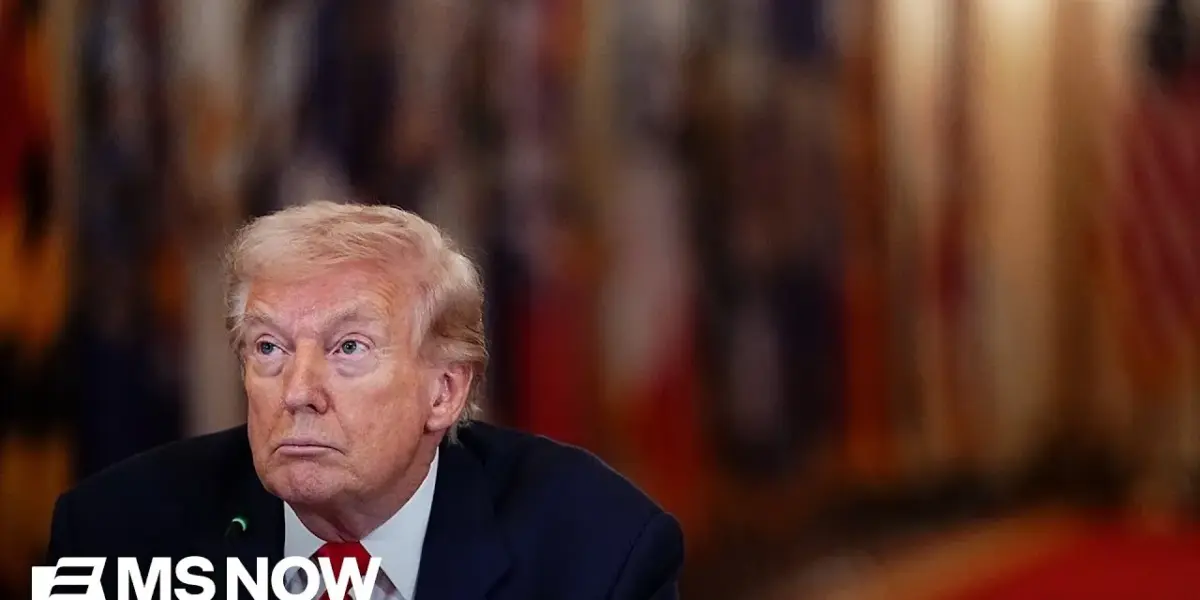
Judge Orders Trump Administration to Refund Illegal Tariffs
In a significant ruling on Friday, US Court of International Trade Judge Richard Eaton ordered the Trump administration to begin refunding tariffs that were previously deemed illegal and unconstitutional by the Supreme Court. The decision mandates the establishment of an automated system to process these refunds, with a strict deadline for compliance.
Millions in Interest Accruing Daily
The urgency of the order is underscored by the substantial financial implications. Judge Eaton noted that the Trump Justice Department had informed the court that US Customs and Border Protection (CBP) could not immediately comply with the refund order. However, Eaton, an expert in international trade, countered during a court hearing, stating, “Customs knows how to do this. They do it every day. They liquidate entries and make refunds.”
The judge has given the administration 45 days to create an automated system for processing the tariff refunds. He emphasized the financial burden on American taxpayers, stating, “These duties must now be refunded with interest and the clock is ticking. Further interest is accumulating every day with approximately $650 million accruing per month.” Eaton further estimated that if the entries are not liquidated by the end of the year, over $10 billion in interest will have accrued, a cost that will ultimately be borne by taxpayers.
Report on Refund Process Due Thursday
Adding to the immediate pressure, Judge Eaton has instructed Donald Trump and his legal team to file a report detailing their process for issuing these refunds by this Thursday, just two days from the ruling. This move signals a commitment to transparency and accountability in the refund process.
Small Businesses Sue Over Tariff Policy
The legal challenges to Trump’s tariff policies are ongoing. On the day of Judge Eaton’s ruling, two small businesses filed a lawsuit against Donald Trump specifically over his 10% tariff policy. This policy was reportedly slated for immediate implementation following the Supreme Court’s decision to strike down his previous tariffs.
The co-founder of one of the affected companies expressed frustration in a statement: “Sudden global tariffs make it harder for us to operate, harder for our partners to sell their crops, and more expensive for American families. We joined this case because trade policy shouldn’t be made by inventing an economic crisis.” This sentiment highlights the real-world impact of such trade policies on businesses and consumers.
CEO of Educational Toy Company Weighs In
Rick Woldenberg, CEO of Learning Resources, a company that has been producing educational toys for 40 years, and the lead plaintiff in the original Supreme Court case challenging the tariffs, shared his perspective. Woldenberg, a frequent guest on the program, expressed gratification with Judge Eaton’s ruling.
“It’s always been my expectation we would get the refund, I’m gratified by what the judge said. The Supreme Court ruled that the tariffs were unlawful, which means that the government over-collected taxes. I think Judge Eaton is really just stating what every American expects. When the government collects too much in taxes, they have to give it back with interest and let’s get moving, and I agree with him.”
Woldenberg drew parallels between the current situation and the annual income tax refund process, noting that the US Treasury successfully manages a much larger automated refund program each year. “The United States Treasury engages in a much bigger tax refund program than this, and it is automated, and people get their checks. They know that the Treasury knows how to do this on the income tax side, and Judge Eaton, who’s an expert on the trade side, is saying they know exactly how to do it on tariffs too.”
Automated Systems Already in Place
Woldenberg confirmed that his company has received rebates on overpaid duties and tariffs through existing electronic systems, demonstrating that the necessary infrastructure is already functional. He acknowledged that the CBP’s declaration described a manual process as a worst-case scenario, but reiterated the judge’s point that the government possesses advanced technology capable of handling millions of refunds annually.
He further commented on the judge’s firm handling of the case: “I have to say, it is so refreshing to hear a judge who’s actually an expert in this dealing with the Trump lawyers. They don’t get away with anything that they try in front of other judges.” Woldenberg concluded by emphasizing the legal basis for the refund, stating, “The tariff was unlawful, which is an unlawful tax, which means the taxes were overcollected. There’s a law on this, it’s black and white, and the judge is right to say to the government, stop horsing around, you have to give the money back.”
Looking Ahead: Compliance and Future Trade Policy
With the report on the refund process due this Thursday and a 45-day deadline to establish an automated system, the coming weeks will be critical in determining how swiftly and efficiently these overdue tariff refunds are issued. The ongoing legal actions by small businesses also signal continued scrutiny of past trade policies. The outcome of these developments will not only impact the businesses and taxpayers owed these refunds but could also set precedents for future trade disputes and the implementation of executive-driven tariffs.
Source: 'Let's get moving’: Trump tariff refund update expected soon (YouTube)

Related Articles


SCOTUS Tariffs Reversal Sparks $166 Billion Refund Chaos
The U.S. Supreme Court's decision to strike down Trump-era tariffs has triggered a logistical crisis for the CBP, which estimates it will take over 4 million man-hours to refund $166 billion to importers. The agency cites a lack of resources and outdated technology, suggesting a multi-year delay, raising concerns about intentional foot-dragging.

Supreme Court’s Delay Tactics Could Derail Trump’s Election Ambitions
The Supreme Court's prolonged deliberation on a key voting rights case may have inadvertently thwarted Donald Trump's strategy to reshape congressional maps for electoral advantage. The calendar's constraints and potential voter backlash add further complexity.

Democrats Champion Rebate for Americans After Tariff Ruling
Democrats are pushing for a $1,700 tariff rebate for every American following a Supreme Court ruling against Trump-era tariffs. This move aims to return funds consumers allegedly paid indirectly, highlighting economic hardship and potential election-year impacts.