The Pervasive Spread of Gambling: From Apps to Politics
Gambling has evolved from traditional casinos to permeate digital apps, sports betting, politics, and even financial markets. This article explores how gambling mechanics are being integrated into everyday life, the financial and societal consequences, and the challenges faced by regulators.

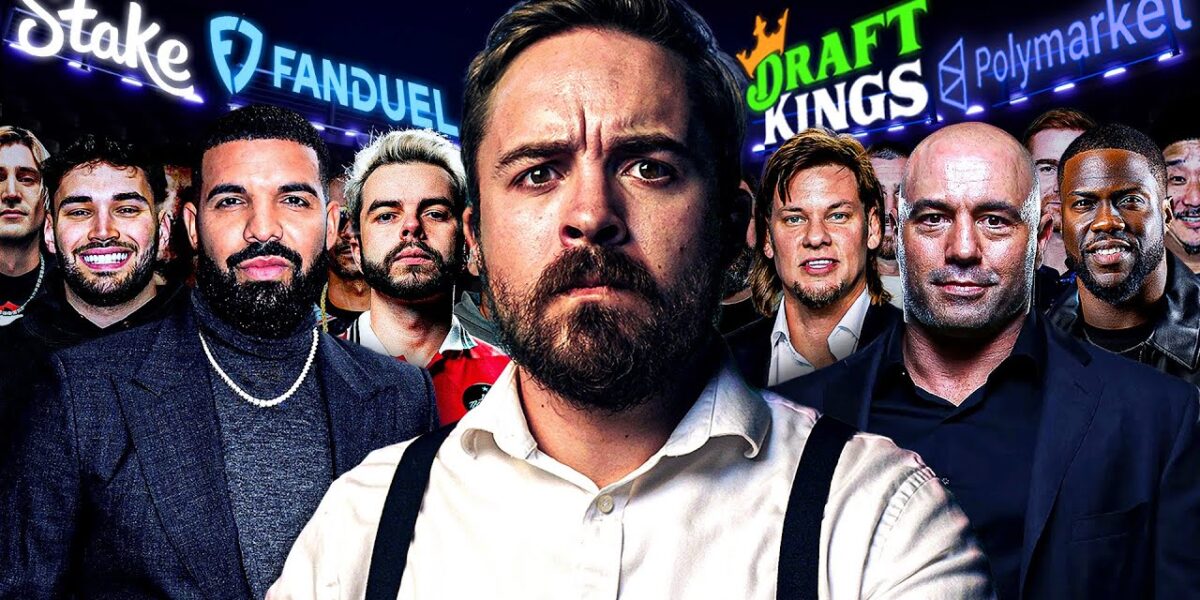
The Normalization of Chance: How Gambling Mechanics Infiltrate Modern Life
Gambling, once confined to the brick-and-mortar casinos of Las Vegas or the occasional lottery ticket, has undergone a profound transformation. It has permeated nearly every facet of modern life, evolving from traditional forms to encompass digital platforms, sports, politics, and even financial markets. This pervasive integration is driven by sophisticated user-retention strategies borrowed from the gambling industry and the lucrative nature of betting, leading to a landscape where chance is increasingly normalized and accessible.
The Digital Frontier of Betting
The advent of smartphones and ubiquitous internet access has democratized gambling, making it accessible anytime, anywhere. Beyond traditional casino games and sports betting, individuals can now wager on granular events within sporting matches, the outcomes of political elections, or even the popularity of social media posts. The proliferation of online platforms and apps has blurred the lines between entertainment and gambling, offering a constant stream of betting opportunities across a vast array of activities.
Esports and Virtual Worlds
The digital revolution extends to the realms of esports and virtual environments. Players can now gamble on the outcomes of video game tournaments, trade virtual items with real-world monetary value, and engage in simulated casino experiences within gaming platforms like Roblox. This expansion into virtual spaces raises concerns, particularly regarding the exposure of minors to gambling mechanics.
Reports highlight third-party websites that facilitate gambling based on in-game items, with some instances indicating actual underage participation. An insider from a now-defunct Roblox gambling site, ‘Roblox Wild,’ revealed that such platforms could generate substantial revenue, estimated at $5,000 daily or approximately $2 million annually, highlighting the financial incentives driving these operations.
Prediction Markets and Political Wagers
Prediction markets, such as Polymarket and K3chi, have gained significant traction, particularly during election cycles. These platforms allow users to bet on the outcomes of political events and world affairs. The sheer volume of betting activity on seemingly niche events, like the attire of a political figure, is striking.
For example, one prediction market reportedly saw $200 million in betting volume on whether a particular leader would wear a suit. These markets often exploit regulatory loopholes, allowing individuals as young as 18 to participate, even in states where traditional gambling is restricted. The recruitment of prominent figures, such as the President’s son as an advisor to these platforms, further complicates regulatory oversight.
Micro-Betting and the ‘TikTok of Sports Wagering’
Emerging startups are pushing the boundaries of sports betting with concepts like micro-betting, aiming to create highly engaging and rapid betting experiences. Companies like Cheddar are positioning themselves as the ‘TikTok of sports wagering,’ integrating features designed for constant engagement and instant gratification.
A key aspect of their strategy involves targeting younger demographics, including 18- to 21-year-olds, by leveraging loopholes such as ‘sweepstakes casinos.’ These platforms operate under a model where players can theoretically participate without direct purchase, using virtual currencies that can be exchanged for real money, effectively circumventing age restrictions and traditional gambling regulations. This approach mirrors that of international casino giants like Stake, which operate U.S. Arms as sweepstakes casinos to navigate regulatory landscapes.
Financial Markets Embrace the Gamble
The integration of gambling mechanics is not limited to entertainment and politics; it has also infiltrated the financial sector. Fintech companies and investment platforms are increasingly incorporating betting-like features, blurring the lines between investing and gambling.
Fintech and Gamified Savings
Platforms like Yada, initially conceived as a ‘no-lose lottery’ to gamify savings, have pivoted towards offering gambling features within their applications. This shift reflects a broader trend where financial apps are evolving to incorporate more gambling-centric elements, driven by the perceived profitability of such models. Yada’s transition to a sweepstakes casino model highlights this strategic pivot.
Investment Apps and Sports Betting
Major investment platforms are also entering the fray. Robinhood announced its intention to integrate sports betting and prediction markets into its app, aiming to become a one-stop shop for financial activities.
This move, described by a Robinhood executive as a ‘no-brainer,’ signals a recognition of the overlap in user interest and a strategy to retain customers by offering a broader range of engagement options. Ironically, this development was closely followed by FanDuel, a sports betting platform, announcing its own foray into offering stock market betting to its users, illustrating a reciprocal embrace between the financial and gambling industries.
The Rise of Meme Stocks and Cryptocurrencies
The gamification of markets has fostered a perception among some, particularly younger investors, that the stock market is akin to a betting arena. The popularity of online communities like Reddit’s WallStreetBets, which celebrates speculative trading, has contributed to this shift.
This environment, fueled by the meme stock phenomenon of 2020, saw a move away from traditional investment fundamentals towards betting on attention and momentum. The increasing use of margin debt, which has reached all-time highs, and the rapid growth in zero-day options trading by retail investors are indicators of a heightened appetite for high-risk, rapid-return activities, mirroring the dynamics of casino gambling.
Meme Coins and Degenerate Finance
The landscape of cryptocurrencies has also seen the emergence of highly speculative assets, such as meme coins. Platforms like Pump.fun enable the rapid creation of new meme coins with no intrinsic value beyond the expectation of future price appreciation driven by speculative interest.
These ventures often prioritize transaction fees, with platforms like Pump.fun generating significant revenue from these fees, while the vast majority of traders experience losses. This ecosystem has fostered a ‘race to the bottom’ among content creators, who leverage social media to promote these volatile assets, often engaging in manipulative tactics to attract followers and generate fees.
The Legalization and Escalation of Sports Betting
The legalization of sports betting in the United States, following the Supreme Court’s 2018 decision, has been a primary driver of its mainstream acceptance. What was once restricted to Nevada has expanded to most states, accompanied by massive advertising campaigns.
Aggressive Marketing and Inducements
Sports betting platforms such as DraftKings, FanDuel, and Underdog have invested hundreds of millions of dollars in advertising, employing celebrities and influencers to promote their services. This has resulted in sports betting apps dominating app store rankings, with DraftKings often holding the top spot.
Beyond advertising, these companies utilize ‘inducements,’ such as offering bonus bets or risk-free bets, to attract new customers. These incentives, akin to the tobacco or alcohol industries offering free products to new customers, are critical to customer acquisition and retention.
VIP Programs and Player Restrictions
For high-volume bettors, often referred to as ‘VIPs,’ these platforms offer personalized treatment and gifts. However, a darker side exists: players who demonstrate consistent winning ability may face bet limits or even exclusion from sportsbooks. This practice highlights a contradiction, as the industry heavily promotes the image of winning gamblers while actively discouraging those who achieve success.
Sports Rigging Scandals
The expansion of legal sports betting has unfortunately coincided with an increase in sports rigging schemes. Recent high-profile cases involving current and former professional athletes highlight the vulnerability of sports integrity. Schemes have involved players intentionally underperforming or feigning injuries to facilitate bets placed on their lack of performance, leading to significant financial gains for those involved.
Investigations have revealed instances where betting volumes surged on specific outcomes before the public was aware of player issues, indicating insider knowledge. The fact that professional leagues have struggled to detect and prevent such activities, even when alerted, raises serious concerns about the future integrity of sports.
The Financial and Societal Impact of Gambling Expansion
The widespread availability and normalization of gambling have tangible financial and societal consequences.
Financial Devastation and Reduced Investment
Studies indicate a direct correlation between the legalization of sports betting and an increase in bankruptcy rates. Households that engage in sports betting spend substantial amounts annually, with a significant portion of these funds being diverted from investments.
For every dollar deposited into betting accounts, there is a near-dollar reduction in net investments, negatively impacting long-term financial security. Problem gambling, affecting approximately 1% of the global population, can be financially devastating, leading to crime, addiction, and tragically, high suicide rates.
The Allure of Big Money and Influencer Deals
The immense profitability of the gambling industry enables it to attract and compensate prominent figures, including streamers, influencers, and celebrities, with lucrative endorsement deals. These individuals, while sometimes acknowledging the risks of gambling, are incentivized by substantial financial rewards.
For example, reports indicate deals worth tens of millions of dollars for promoting online casinos and betting platforms. This financial leverage allows the industry to influence public perception and bypass critical discourse, even from those who understand the potential harms of gambling.
The Normalization of Risk
The pervasive integration of gambling mechanics into daily life, from app design to financial markets, has fundamentally altered how many individuals perceive risk and reward. The lines between investing and gambling have become increasingly blurred, particularly among younger demographics who are exposed to these trends from an early age. This normalization of high-risk behavior, driven by the immense financial resources of the gambling industry, poses significant challenges for financial literacy, personal financial well-being, and the integrity of both financial markets and sporting events.
Market Impact
The increasing overlap between gambling and finance suggests a future where investment platforms may integrate more speculative and entertainment-driven features. This could lead to increased market volatility, particularly among retail investors who may conflate speculative trading with informed investing.
The regulatory landscape is struggling to keep pace with these innovations, creating potential loopholes and risks for consumers. The willingness of major financial institutions and media outlets to partner with or advertise for gambling-related ventures indicates a powerful financial incentive driving this trend, potentially overshadowing concerns about consumer protection and financial stability.
What Investors Should Know
Investors should be aware of the growing influence of gambling-like mechanics in financial markets. The rise of meme stocks, volatile cryptocurrencies, and the gamification of trading apps suggest a shift towards more speculative behavior. Understanding the difference between investing for long-term growth and engaging in high-risk, short-term speculation is crucial.
Investors should exercise caution with platforms that heavily emphasize rapid trading, complex derivatives like zero-day options, or assets with little underlying fundamental value. The increasing presence of gambling-related advertising and partnerships within the financial ecosystem warrants a critical evaluation of the incentives at play.
Source: Exposing the Gambling Epidemic (YouTube)

Related Articles


Wall Street Landlords Slash Rents Amid Oversupply
Wall Street landlords are cutting rents by up to 10% in cities like Atlanta due to a surge in accidental landlords and market oversupply. This trend is leading to significant discounts on homes, impacting both renters and sellers.


Real Estate Prices Mirror 2008 as Opportunities Emerge
Experienced investors Ken and Denil McElroy see current market conditions as a prime buying opportunity, with property prices mirroring 2008 levels. While the single-family market shows little distress due to low mortgage rates, the multifamily sector presents deeply discounted assets for those willing to negotiate and reposition properties. Their advice centers on fixed-rate debt, low loan-to-value ratios, and a focus on cash flow to navigate market cycles.


Prediction Markets: Betting on War or Gathering Intelligence?
Prediction markets are drawing millions in bets on future events, including geopolitical conflicts. Experts question if these platforms offer genuine intelligence or simply profit from global instability. Research indicates most Americans view them as gambling, not investing, with young men driving their increased use.