Geopolitical Tensions Spark Crypto Volatility
Escalating geopolitical tensions, particularly concerning shipping through the Strait of Hormuz, are creating significant uncertainty in global energy markets. This macro-level instability can indirectly influence cryptocurrency markets, leading to increased volatility as investors react to global risk.

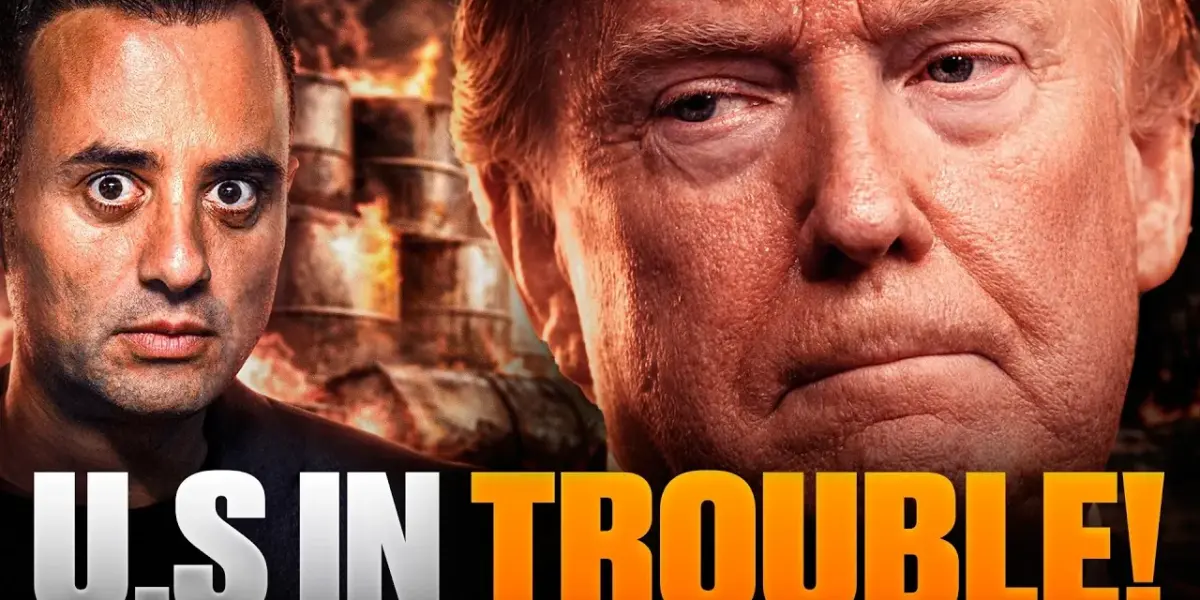
Geopolitical Tensions Spark Crypto Volatility
The global geopolitical landscape is increasingly influencing financial markets, with recent escalations in the Middle East creating ripples across traditional assets and the cryptocurrency space. While the transcript doesn’t provide specific cryptocurrency price movements, it highlights how escalating conflicts and threats to global energy supplies can trigger broader market uncertainty, often leading investors to seek perceived safe havens or react with increased volatility across all asset classes, including digital assets.
Rising Tensions in the Strait of Hormuz
The situation in the Strait of Hormuz, a critical chokepoint for global oil transportation, has become a focal point of geopolitical concern. As tensions escalate between Iran and the United States, shipping through this vital waterway faces significant disruption. Iran has signaled its intent not to back down, drawing parallels to the 1980s Tanker War. This standoff raises the stakes considerably, not only for regional stability but also for the global energy market, which is heavily reliant on the uninterrupted flow of oil through this strategic passage.
Impact on Global Energy Markets
The potential for conflict in the Strait of Hormuz poses a direct threat to global oil supplies. Disruptions to shipping can lead to increased oil prices, impacting economies worldwide. This uncertainty in the energy sector often translates into broader market volatility, as investors and traders react to potential supply shocks and the economic consequences that follow. Such macroeconomic events can indirectly affect the cryptocurrency market, which, despite its growing maturity, remains sensitive to global economic sentiment and liquidity conditions.
Broader Market Implications for Crypto
While the provided transcript focuses on geopolitical events and their impact on energy markets, it’s crucial to understand how these factors can influence cryptocurrencies like Bitcoin and Ethereum. In times of geopolitical uncertainty and economic instability, investors often re-evaluate their portfolios. Some may move towards traditional safe-haven assets like gold, while others might explore cryptocurrencies, particularly Bitcoin, as a potential hedge against inflation or systemic risk, given its decentralized nature and limited supply. Conversely, increased market fear can also lead to sell-offs across all risk assets, including crypto, as investors deleverage their positions.
The cryptocurrency market, with its nascent status and inherent volatility, can amplify these reactions. News of geopolitical escalations can trigger rapid price swings as traders react to perceived risks and opportunities. The interconnectedness of global financial markets means that events in one region or sector can quickly influence others. Therefore, understanding the geopolitical climate is an essential component of comprehensive market analysis for crypto investors and traders.
The Role of Blockchain Technology
In the context of geopolitical instability, the underlying technology of cryptocurrencies—blockchain—offers a unique proposition. Blockchain is a decentralized, immutable ledger that records transactions across many computers. This distributed nature makes it resistant to censorship and single points of failure, characteristics that can be appealing during times of heightened geopolitical risk. For instance, individuals and businesses in regions experiencing conflict or economic sanctions might look to cryptocurrencies for cross-border transactions or as a store of value, bypassing traditional financial systems that could be compromised or frozen.
Navigating Market Uncertainty
The current geopolitical climate underscores the importance of staying informed and conducting thorough research. For participants in the cryptocurrency market, this means not only tracking project developments and on-chain metrics but also monitoring global economic and political events. The potential for disruptions in critical global supply chains, like those involving energy, highlights the interconnectedness of the world economy and the diverse factors that can influence asset prices. As the situation evolves, the cryptocurrency market, like other financial markets, will likely continue to react to these macro-level developments, emphasizing the need for a nuanced and informed approach to trading and investment.
The transcript’s comparison to the 1980s Tanker War serves as a stark reminder of the potential for prolonged conflict and its far-reaching consequences. While the specifics of how this situation directly impacts cryptocurrency prices are not detailed, the underlying principle remains clear: significant geopolitical events create uncertainty, and uncertainty drives market volatility across all asset classes.
Source: Trump’s "Quick War" Just Seriously Backfired on The U.S! (YouTube)

Related Articles


Starmer Faces Fallout: Mandelson Files Reveal Diligence Gaps
The first wave of Peter Mandelson's appointment files has been released, highlighting concerns over the due diligence process and Keir Starmer's involvement. Reports suggest the vetting was minimal, raising questions about judgment. The files also touch on geopolitical tensions in the Gulf.


Iran Conflict Escalates, Conflicting Statements Fuel Market Volatility
Conflicting statements from former President Trump and Israeli leadership, coupled with Iran's escalating tactics in the Strait of Hormuz, are fueling market uncertainty. Investors face a complex geopolitical risk landscape, with oil prices and broader market sentiment highly sensitive to developments.
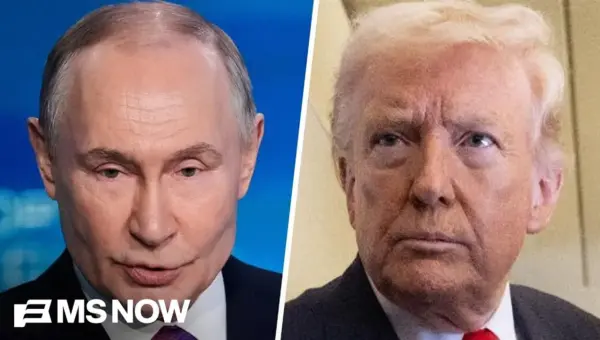
Iran’s Strait of Hormuz Attacks Spark Global Oil Fears
Escalating attacks targeting critical infrastructure around the Strait of Hormuz have disrupted global oil supplies and sent prices soaring. Experts question the feasibility of U.S. escort plans and criticize the administration's unclear war aims and handling of alleged Russian support for Iran.