Iran Tensions Spark Debate on UK’s Diminishing Global Role
Escalating tensions in the Strait of Hormuz and rising oil prices are fueling a debate on Iran's strategy and the effectiveness of international responses. The situation also casts a shadow over the UK's global standing and its "special relationship" with the U.S.

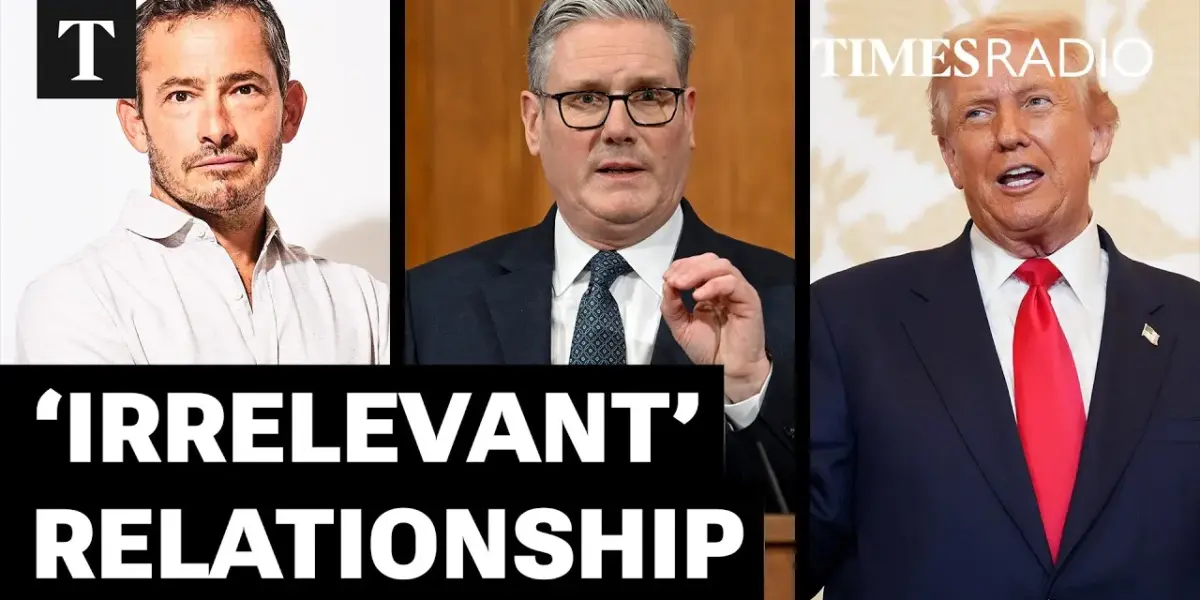
Strait of Hormuz Tensions Escalate, Oil Prices Rise
Recent events in the Strait of Hormuz have sent ripples through global markets and reignited discussions about international relations and defense spending. With shipping traffic significantly impacted and oil prices showing an upward trend, the situation underscores the fragility of global supply chains. Three ships venturing near the Strait in the last 24 hours have reportedly been hit, and the United States claims to have targeted 16 Iranian mine-laying vessels in the area.
Debating Iran’s Strategy and Trump’s Objectives
The escalating tensions have led to a complex debate about Iran’s strategic objectives and the effectiveness of international responses. One prevailing theory suggests that Iran’s demonstrated ability to inflict damage, even without fully closing the Strait, may have inadvertently strengthened its regime. This perspective questions the coherence of U.S. President Donald Trump’s objectives, which some analysts describe as “muddled” and subject to frequent change. The economic cost of these actions, both in terms of direct spending and rising fuel prices—with diesel reaching 159 pence per liter in some areas—is a significant concern.
“The objectives that Trump and possibly Israel is much clearer about what they’re trying to do. But what Trump is trying to do is um really very muddled and it changes every time he opens his mouth. But there’s no doubt about it that as far as the means are concerned, the means are very expensive…”
The efficacy of these measures in achieving stated goals, such as preventing Iran from acquiring nuclear weapons or degrading its missile capabilities, remains uncertain. The idea of regime change in Iran is widely viewed as a near-impossible task, akin to scenarios in science fiction rather than real-world diplomacy. The challenges faced by Iranian women footballers seeking asylum in Australia, requiring swift relocation from the Iranian embassy, highlight the complexities of internal dissent and external intervention.
UK’s ‘Special Relationship’ Under Scrutiny Amidst Shifting Alliances
The ongoing tensions have also brought the United Kingdom’s foreign policy and its so-called “special relationship” with the United States into sharp focus. Prime Minister Boris Johnson’s decision to keep the UK out of direct involvement has drawn both criticism and a degree of public approval, with some viewing it as a pragmatic stance. However, critics argue that the UK’s influence on the global stage is diminishing, rendering discussions about the “special relationship” increasingly irrelevant.
Giles Coren, a commentator, expressed a cynical view on the nature of international relations, suggesting that Donald Trump operates on transactional terms rather than genuine alliances. He drew a parallel to playground dynamics, where individuals flock to the perceived strongest or most influential figure. This perspective casts doubt on the depth and significance of traditional diplomatic ties.
“I think I think Karma looks increasingly irrelevant and and he he the the wrangling over the the handing over the special relationship which has been going on for as long as ever since the term was first made has never been more more irrelevant because Donald Trump doesn’t have relationship with anyone.”
Israel’s Singular Focus and the U.S. President’s Volatility
The discussion also delved into Israel’s perspective, with one Israeli commentator suggesting that the only “special relationship” that truly matters is the one between Israel and America. This viewpoint underscores Israel’s singular focus on its security, a position some find understandable given its geopolitical context but which others see as potentially narrow.
The perceived volatility of the U.S. President is a recurring theme. His shifting foreign policy interests, from Venezuela to Greenland and now Iran, suggest a transactional approach driven by immediate concerns rather than long-term strategic planning. This has led to a situation where Israel may feel it has a unique window of opportunity to address its primary security concerns with the backing of a U.S. administration that is perceived as both powerful and unpredictable.
UK Defense Spending: Butter Over Guns?
The lack of British naval assets in the Persian Gulf region has raised questions about the UK’s defense capabilities and future spending priorities. While there’s a recognition that the UK has, for decades, prioritized social spending and welfare programs over defense—a choice exemplified by announcements on free school meals alongside military readiness concerns—the practical implications are becoming increasingly apparent.
The sentiment expressed is that the UK may have to accept a reduced role on the world stage, shifting from a global military power to a nation more focused on domestic well-being. This shift is framed not as a failure, but as a natural evolution as empires rise and fall, drawing parallels with historical powers that no longer wield the same influence.
“It actually dismantling any of the welfare system in order to release enough billions to spend on defense ain’t going to happen under a Labor government. It probably wouldn’t happen under a form government or any other, but it’s it’s where we are. Maybe we just have to accept that these days we are far more likely in Britain to be on a cruise than on a cruiser.”
Looking Ahead: A World of Shifting Powers
As tensions in the Strait of Hormuz continue to simmer, the broader implications for global stability, international relations, and the future of defense spending are significant. The debate highlights a potential recalibration of the UK’s role in the world and raises questions about the effectiveness of U.S. foreign policy under its current leadership. The coming months will likely reveal whether the current crisis leads to a sustained increase in defense investment or a continued acceptance of a more domestically focused approach for the United Kingdom.
Source: Starmer's Wrangling Over The Special Relationship Has 'Never Been More Irrelevant' | Giles Coren (YouTube)

Related Articles
Iran’s Strait of Hormuz Attacks Spark Global Oil Fears
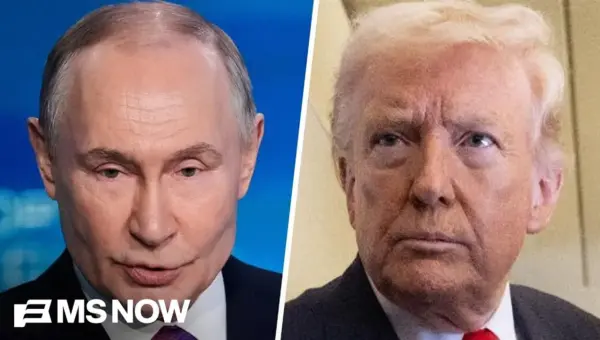
Escalating attacks targeting critical infrastructure around the Strait of Hormuz have disrupted global oil supplies and sent prices soaring. Experts question the feasibility of U.S. escort plans and criticize the administration's unclear war aims and handling of alleged Russian support for Iran.

US Escalates Strikes on Iran; War Enters 12th Day
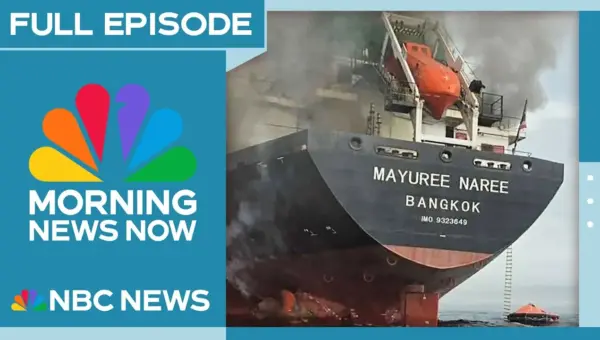
The U.S. has launched its most intense strikes against Iran yet as the war enters its 12th day, targeting mine-laying vessels near the Strait of Hormuz. Reports of Iran's Supreme Leader's health have surfaced amid escalating tensions, while economic impacts include rising gas prices and concerns for farmers. Meanwhile, severe storms have caused widespread damage and fatalities across the Midwest.

Iran Escalates War: Civilian Ships Sunk, Airport Hit
Iran has dramatically escalated regional tensions by bombing multiple civilian cargo ships in the Gulf and targeting Dubai International Airport. The US has responded with significant counter-strikes. This dangerous new phase threatens global trade and regional stability.