Trump Urges Putin to End Ukraine War, Discusses Middle East Tensions
President Donald Trump communicated to Vladimir Putin that ending the Ukraine war would be a more constructive contribution than focusing solely on the Middle East. The leaders discussed the ongoing Ukraine conflict and regional tensions during a March 9th call. Trump also reiterated his strong stance against Iran disrupting oil supplies.

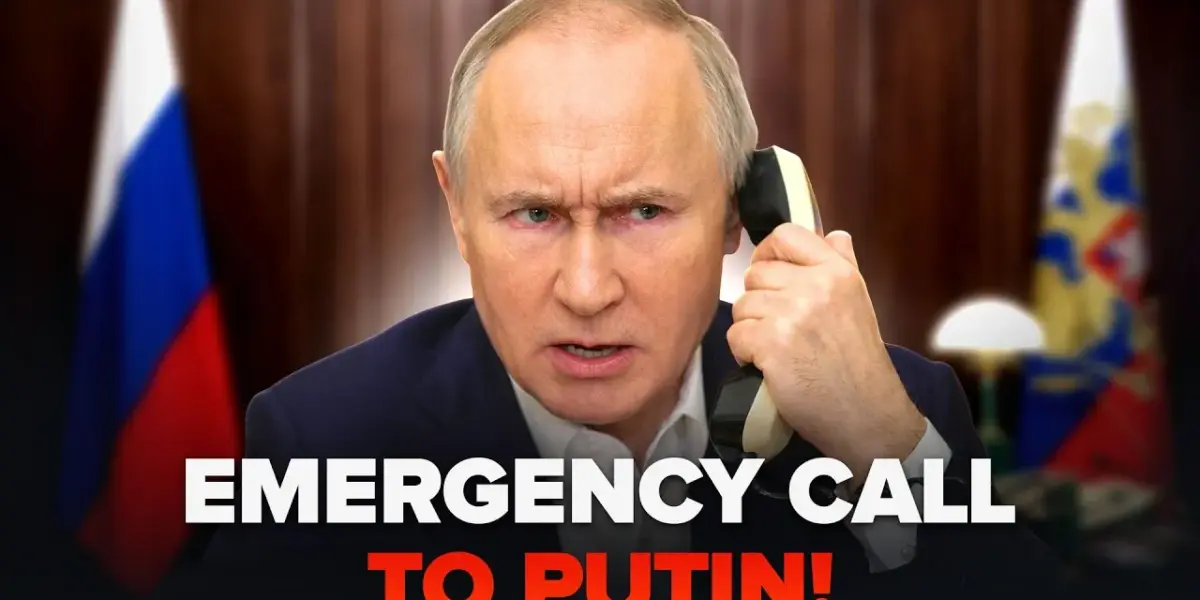
Trump Calls for End to Ukraine Conflict in Call with Putin
In a recent high-level conversation, U.S. President Donald Trump conveyed a clear message to Russian President Vladimir Putin: end the war in Ukraine. The discussion, which also touched upon the volatile situation in the Middle East, saw Trump emphasizing that Putin could be significantly more helpful by resolving the ongoing conflict with Ukraine. The remarks were disclosed following a March 9th phone call between the two leaders, as reported by a White House broadcast.
Key Topics: Ukraine and Middle East Diplomacy
During his press conference, President Trump detailed the March 9th call with President Putin, describing it as a “very good talk” involving numerous participants from both sides. A central theme of their discussion was the protracted war in Ukraine. Trump acknowledged the deep-seated animosity between President Putin and Ukrainian President Volodymyr Zelenskyy, noting, “We’re talking about Ukraine which is just a neverending fight and uh when look there’s tremendous hatred between President Putin and President Zullinski. They can’t seem to get it together.” Despite these challenges, Trump maintained a positive outlook on the conversation’s overall tone.
The leaders also addressed the escalating tensions in the Middle East. According to Trump, Putin expressed a desire to be helpful in this region. However, Trump reiterated his belief that Putin’s assistance would be far more impactful if directed towards ending the war in Ukraine. “And we obviously talked then about the Middle East and he wants to be helpful. I said, you could be more helpful by getting the Ukraine Russia war over with. That would be more helpful,” Trump stated.
Peace Negotiations and Stalled Diplomacy
The transcript references ongoing diplomatic efforts aimed at resolving the Ukraine conflict. Since the beginning of 2026, three rounds of trilateral peace negotiations involving Ukraine, the U.S., and Russia had reportedly taken place. While progress was made on certain issues, the territorial dispute in Donbas remained a significant hurdle. A planned fourth round of talks in Abu Dhabi in early March was reportedly canceled due to the burgeoning conflict in the Middle East.
The resumption of diplomatic engagement was anticipated for the week of the call. However, Ukrainian President Zelenskyy indicated on March 9th that the meeting was still postponed, citing the situation involving Iran. Adding to the complexity, Trump’s special envoy, Vitkov, had reportedly stated that work on final documents was ongoing, with new results expected in the coming weeks.
Trump’s Hardline Stance on Iran and Oil Prices
The discussion also shed light on President Trump’s assertive policy towards Iran, particularly concerning the Strait of Hormuz. Trump declared that if Iran attempted to disrupt oil supplies through this critical waterway, the United States would retaliate “20 times harder than they have been hit thus far.” He further warned of devastating consequences, stating, “Death, fire, and fury will rain upon them. But I hope and pray that it does not happen.” Trump framed these warnings as a strategic message to China and other nations reliant on the Strait of Hormuz, through which approximately one-fifth of global oil supplies transit.
The transcript highlights the economic impact of the Iran situation, noting that Iran had practically blocked the Strait of Hormuz in response to actions by the U.S. and Israel. This led to a significant decrease in maritime traffic and a surge in crude oil prices, exceeding $115 per barrel. In response, Trump suggested the conflict with Iran was nearing a resolution, which coincided with a subsequent drop in oil prices.
Internal Pressure and Shifting Strategies
Behind the scenes, President Trump’s administration faced pressure from advisors urging an exit strategy from the conflict with Iran. This pressure stemmed from rising oil prices and concerns about the protracted war’s negative political ramifications, as reported by The Wall Street Journal. While Trump characterized the military mission as largely successful and expressed hope for a swift conclusion, some officials believed a prolonged conflict was likely as long as regional attacks and Israeli strikes continued.
The transcript reveals internal debate and evolving public communication strategies within the Trump administration. Advisors reportedly urged Trump to formulate a clear plan for exiting the war and to emphasize the military’s achievements. Polls indicating public opposition to the war, coupled with rising gasoline prices, fueled concerns among advisors about the potential impact on Trump’s electoral prospects, especially with midterm elections on the horizon. The administration recognized the need for a more aggressive communication strategy to justify the war to a public grappling with increased energy costs.
Reassurance Amidst Economic Concerns
President Trump sought to reassure Americans regarding the economic fallout from the Iran conflict, characterizing the rise in energy prices as a “small price to pay for security and peace of the US and the world.” He expressed confidence that the price increases would be temporary. However, the administration acknowledged the significant impact of oil price volatility, particularly on the Strait of Hormuz, a vital artery for global energy trade. The administration’s strategy appeared to hinge on the hope that the conflict would not escalate into a wider regional war, which could further destabilize global energy markets.
The article also touches upon potential shifts in U.S. policy regarding Russia. Trump hinted at the possibility of permanently lifting some sanctions against Russia, suggesting that certain eased sanctions might not be reimposed. This comes as the global market attempts to stabilize, with India reportedly purchasing Russian oil following the effective blockade of the Strait of Hormuz.
Looking Ahead
The coming weeks will be crucial in observing whether diplomatic channels can be effectively reopened to de-escalate the conflict in Ukraine and navigate the complex geopolitical landscape in the Middle East. Attention will also remain focused on the Trump administration’s approach to the Iran situation, its economic implications, and the evolving relationship with Russia, particularly as midterm elections approach and public sentiment regarding energy prices and foreign conflicts remains a significant factor.
Source: ⚡️Putin’s message to Trump on Ukraine! Urgent White House call. Leaked details revealed (YouTube)

Related Articles


Trump Exports Chaos Abroad to Hide Domestic Failures
A critical analysis suggests the Trump administration's aggressive foreign policy, particularly towards Iran, is a calculated tactic to distract from domestic failures and scandals. The piece examines economic woes, ethical breaches, and the broader implications for leadership and governance.

Trump’s Foreign Policy Paradox: Peace Pledges vs. Real-World Outcomes
A debate over Donald Trump's foreign policy reveals a stark contrast between his promises of peace and the real-world outcomes. This analysis delves into the paradox, exploring the gap between campaign rhetoric and presidential actions, and its broader implications for international relations and public trust.
Trump’s War on Iran: Conflicting Goals Fuel Escalation
The Trump administration is grappling with a strategic contradiction in its war with Iran: the pursuit of military victory versus the goal of low gas prices. Escalating strikes, disrupted oil routes, and conflicting statements from the President have fueled market volatility and regional instability.