War’s Price Tag: Trump’s Iran Conflict Drains Coffers
The escalating war with Iran is costing a billion dollars a day, impacting global oil prices and domestic inflation. While the administration promises long-term stability, critics question the financial burden and lack of clear objectives, contrasting it with unmet domestic needs and campaign promises.

The Astronomical Cost of Conflict
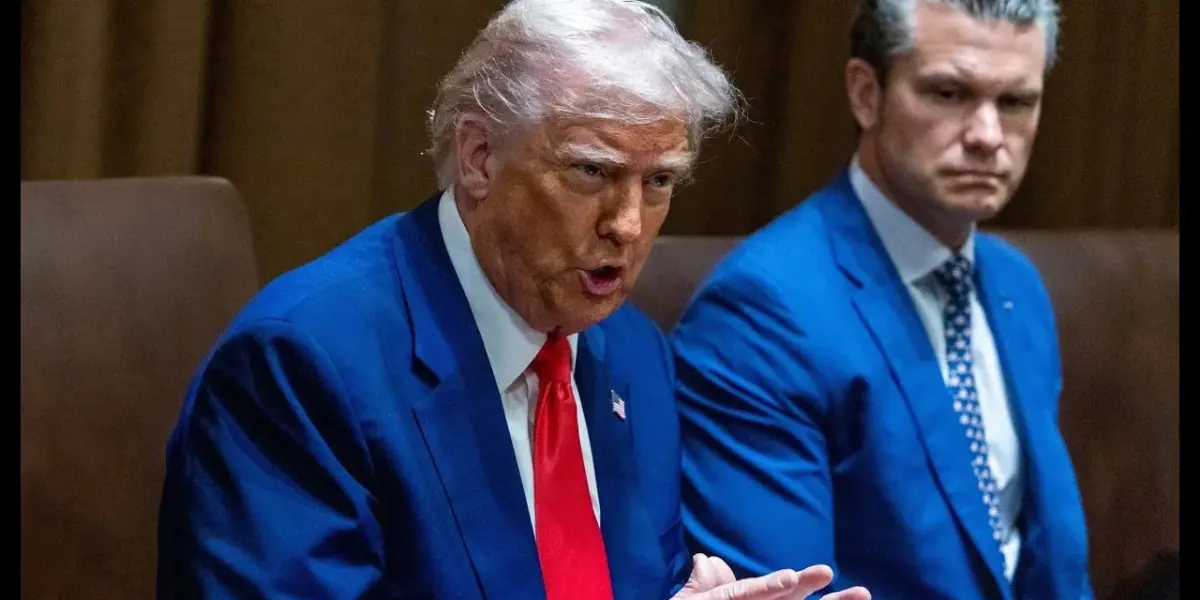
In the complex theatre of international relations, war is often framed by its strategic implications and human toll. However, the economic dimension of armed conflict, particularly the burgeoning cost of the United States’ engagement with Iran, is increasingly coming under scrutiny. The notion that war is not only hell but also incredibly expensive is being underscored by the staggering daily expenditure, reportedly reaching a billion dollars a day. This figure, driven by the expenditure on weapons and equipment, including the significant deployment of costly Tomahawk missiles, paints a stark picture of the financial burden. Amidst this, President Trump’s ambitious proposal for a $1.5 trillion defense budget in 2027, while seemingly disconnected, highlights a broader trend of escalating military spending that raises critical questions about national priorities.
Congressional Pushback and Public Discontent
The financial gravity of the Iran conflict has not gone unnoticed by lawmakers. Following an ‘unsatisfying’ briefing on the situation, several senators have voiced strong opposition, with one senator expressing 15 years of experience and still being left with more questions than answers, particularly regarding the war’s cost. The sentiment is clear: this is not a war the American people desire, nor one that enhances national security. Critics point to a perceived hypocrisy, where the administration cites a lack of funds for domestic priorities like healthcare and childcare, yet allocates a billion dollars daily to military operations in the Middle East with unclear objectives and justifications. The fundamental question being asked is how dropping bombs from the air, without a clear strategic endpoint, justifies such immense expenditure.
The Promise of Domestic Prosperity vs. Global Engagement
This critique is amplified by Donald Trump’s own campaign promises from two years prior. He campaigned on a platform of making America affordable, vowing to tackle rising costs and bring down prices for essential goods and services. His rhetoric focused on economic relief for families struggling with inflation, promising to cut energy costs and improve healthcare accessibility. The contrast between these domestic promises and the current financial commitment to a foreign conflict is stark. The argument is made that the resources dedicated to war could be redirected to address pressing issues at home, such as the rising cost of groceries, healthcare, and childcare, which directly impact the daily lives of American citizens.
Economic Ripples: How War Affects Domestic Prices
The conflict in Iran has more than just a direct financial cost; it has tangible effects on the U.S. economy, particularly through its impact on global energy markets. The disruption of a major shipping route for oil, a critical artery for global energy supply, has sent shockwaves through international markets. This has led to a significant surge in oil prices, pushing gasoline costs upwards nationwide. The bottleneck in the Strait of Hormuz, where a substantial portion of the world’s energy supply normally flows, has created a supply crunch. This, in turn, affects the cost of transportation for goods and services, contributing to broader inflationary pressures. The increase in the price of crude oil inevitably translates to higher costs for consumers, impacting everything from fuel at the pump to the price of everyday goods.
Administration’s Response and Public Skepticism
The administration’s response to these rising costs has been met with skepticism. While assurances are given that the increase in oil and gas prices is temporary and that the operation will lead to lower prices in the long term, the immediate reality for consumers is one of financial strain. Anecdotal evidence from individuals struggling to afford filling their gas tanks or facing higher prices for essential items highlights the disconnect between long-term projections and immediate economic hardship. The promise of future relief offers little solace to those feeling the pinch today, especially when the direct link between geopolitical events and domestic economic well-being is becoming increasingly apparent.
Defining the Mission: Clarity vs. Ambiguity
A significant point of contention revolves around the clarity and scope of the military mission in Iran. The administration emphasizes a swift, decisive approach, contrasting it with previous prolonged engagements in Iraq and Afghanistan. There is a stated commitment to avoiding ‘mission creep,’ nation-building, and protracted conflicts. The narrative presented is one of a president who has a clear objective, controls the ‘throttle’ of the operation, and will determine its end state. However, this assertion of clarity is met with doubt, particularly when juxtaposed with statements from defense officials that suggest the conflict is merely ‘the beginning.’ The ambiguity surrounding the mission’s duration and ultimate objectives fuels public concern about being drawn into a prolonged and costly engagement.
The Human Cost and Unruled Options
Beyond the financial and economic implications, the most profound cost of war is the human one. Concerns about the potential deployment of American troops on the ground in Iran are a significant worry. While the current engagement is largely characterized as an air campaign, the president’s refusal to rule out future options, including ground deployments and even the possibility of a draft, underscores the unpredictable nature of military escalation. This refusal to take certain options off the table is presented by some as strategic prudence, ensuring flexibility. However, for many, it represents a willingness to consider actions that could lead to further loss of life and prolonged conflict, raising anxieties about the long-term consequences for American families and the nation’s youth.
Historical Context and Future Outlook
The current situation echoes historical debates about the justification, cost, and duration of military interventions. The promise of swift victories and clear objectives has often preceded lengthy and costly entanglements. The current administration’s rhetoric, emphasizing decisive action and a strong ‘will to fight,’ is juxtaposed against the very real economic pressures at home and the enduring human cost of war. As the conflict unfolds, the challenge lies in balancing national security objectives with domestic economic stability and public sentiment. The future outlook will depend on the administration’s ability to provide clear strategic objectives, manage the economic fallout, and maintain public trust amidst the inherent uncertainties of military engagement.
“The greatest cost in war is the human cost. And Donald Trump sounds ready to spare no expense on that one either.”
Why This Matters
The ongoing conflict with Iran, and its associated costs, raises fundamental questions about American priorities. The expenditure of billions of dollars daily on military operations, coupled with the resulting economic pressures on American households, demands a thorough public accounting. It highlights the critical need for transparency regarding the strategic objectives and expected outcomes of such conflicts. Furthermore, it forces a re-evaluation of the balance between domestic needs and international military commitments. The debate over war funding versus domestic investment is a perennial one, but the current scale of spending and its direct impact on the cost of living make this a particularly urgent issue. Understanding these dynamics is crucial for informed civic engagement and for shaping responsible foreign and domestic policy.
Source: Trump gets NIGHTMARE news amid Iran war | Another Day (YouTube)

Related Articles


Trump’s War on Iran: Conflicting Goals Fuel Escalation
The Trump administration is grappling with a strategic contradiction in its war with Iran: the pursuit of military victory versus the goal of low gas prices. Escalating strikes, disrupted oil routes, and conflicting statements from the President have fueled market volatility and regional instability.
Trump’s Iran War Stumbles: Officials Admit Confusion
The Trump administration's strategy in its conflict with Iran is under fire for perceived confusion and a lack of understanding of complex geopolitical issues. Key figures have made contradictory statements, and the credibility of official pronouncements is being questioned amidst escalating tensions.


Trump Admin Tweet Sparks Oil Market Chaos: US Navy Aid to Iran?
A since-deleted tweet from U.S. Secretary of Energy Chris Wright, suggesting the U.S. Navy was aiding Iran's oil tankers, caused significant swings in global oil markets. The ambiguous message and its rapid removal have sparked widespread speculation about U.S. policy shifts and highlighted the impact of social media on international commerce.