Keir Starmer Faces Critical Test as Royal Scandal Deepens with Prince Andrew Investigation
Prime Minister Keir Starmer faces a critical constitutional challenge as Prince Andrew's arrest for misconduct intensifies royal scandal. With Peter Mandelson also under investigation and document releases expected next week, Starmer must navigate the delicate balance between legal processes, public opinion, and constitutional stability.

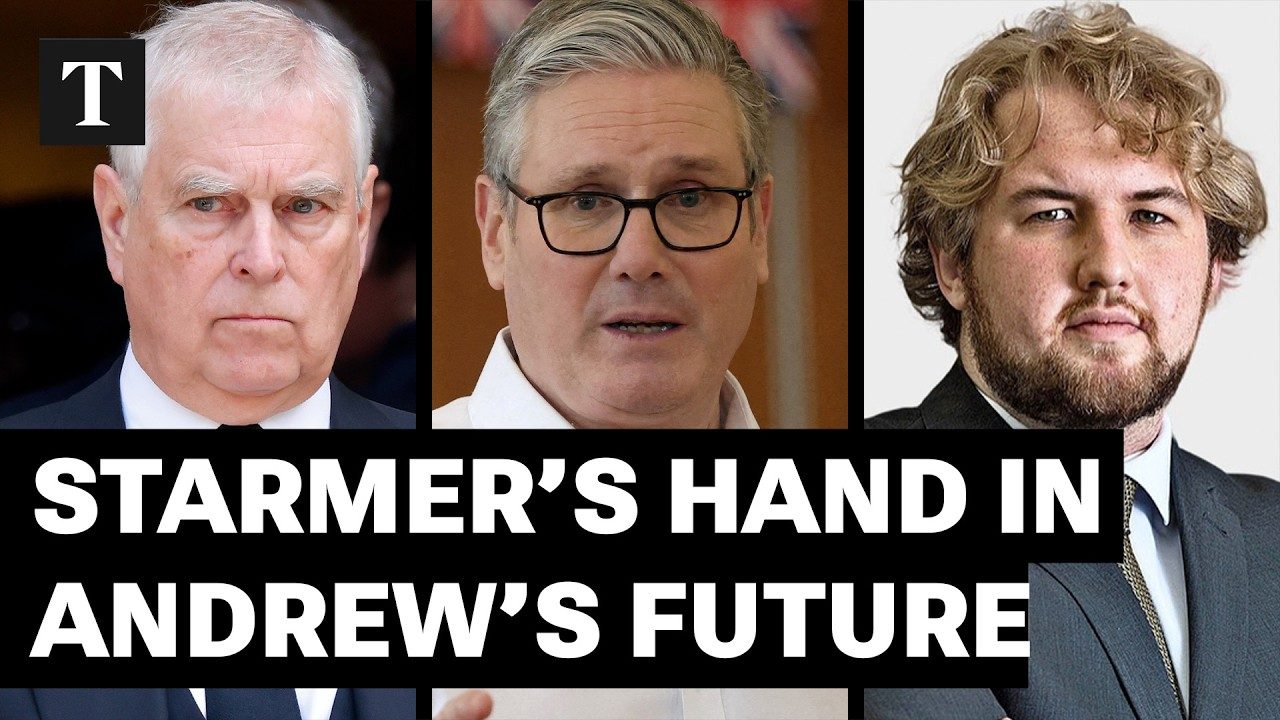
Prime Minister Keir Starmer faces one of the most delicate constitutional challenges of his tenure as the investigation into Prince Andrew’s alleged misconduct intensifies, with political experts warning that his response could prove crucial in mediating between public opinion and the monarchy.
Royal Lodge Under Scrutiny
The scandal reached a new level of intensity as Prince Andrew, now known as Andrew Mountbatten-Windsor following his removal from royal duties, was photographed slouching in a car after being arrested on suspicion of misconduct in public office. The image dominated front pages across the nation, symbolizing the gravity of the situation facing the Royal Family.
Unmarked police vehicles continued arriving at Royal Lodge throughout the morning, conducting searches of the former prince’s family home as part of the ongoing investigation. The arrest marks a significant escalation in the case that has long shadowed the monarchy, with Andrew having previously denied any wrongdoing in relation to his associations with convicted sex offender Jeffrey Epstein.
Constitutional Role of the Prime Minister
Political analysts emphasize that if the scandal deepens and public opinion shifts, it will be Starmer who holds the constitutional responsibility to advise the monarch on potential courses of action. This places the Prime Minister in an extraordinarily delicate position, requiring him to balance legal processes, public sentiment, and constitutional stability.
The situation draws inevitable comparisons to 1997, when Tony Blair’s government played a crucial role in helping the Royal Family navigate the public outcry following Princess Diana’s death. Tim Allan, who recently departed as Starmer’s head of communications, was notably present in Downing Street during that critical period, providing institutional memory of how such crises can be managed.
However, political commentators suggest that Starmer lacks Blair’s instinctive touch for public sentiment, making his handling of this crisis all the more challenging. The complexities are further compounded by the intersection of police investigations and legal processes, which limit what political figures can publicly say or do.
The Mandelson Complication
Adding another layer of complexity to Starmer’s predicament is the involvement of Peter Mandelson, whom the Prime Minister appointed to the high-profile role of US Ambassador. Mandelson is expected to be interviewed under caution in the coming days as part of the same investigation that led to Andrew’s arrest.
The situation becomes even more politically charged with the anticipated release of what Westminster insiders are calling “the Mandelson files” – a substantial collection of documents successfully requested by the Conservative Party through a parliamentary motion that the Labour Party was unable to resist.
These documents, expected to be released next week when the House of Commons returns from recess, may include internal government correspondence and potentially WhatsApp messages between Mandelson and government ministers. The release threatens to dominate the news agenda and distract from the government’s preferred messaging.
Historical Context and Constitutional Implications
Royal biographer Tom Bower offered perspective on the broader constitutional implications, arguing that the monarchy’s thousand-year history provides resilience against current challenges. He dismissed suggestions that King Charles III should abdicate due to his brother’s alleged misconduct, emphasizing the monarchy’s role as a key institution in British history, constitution, and national identity.
The constitutional system ensures that the monarch acts only on the advice of their ministers, meaning that if public opinion does turn significantly against the Royal Family, it would fall to Starmer or his cabinet colleagues to provide guidance on appropriate responses.
Political Ramifications and Republican Sentiment
Despite the severity of the scandal, political observers note there has been no significant upturn in republican sentiment or particular negativity toward King Charles III personally. This suggests the British public continues to distinguish between individual royal family members and the institution of monarchy itself.
Transport Secretary Hardie Alexander defended the broader institution of monarchy during a BBC Question Time appearance, reflecting the government’s careful approach to the crisis. However, the government’s response remains constrained by ongoing legal processes and the need to avoid any appearance of interference with police investigations.
While some politicians, including Green Party figures and historically Jeremy Corbyn, favor transition to an elected head of state, major constitutional change remains in what political insiders describe as “the too difficult box.” Current polling suggests republican sentiment remains a minority position in British politics.
Looking Ahead
As the investigation continues, Starmer faces the challenging task of maintaining constitutional propriety while being prepared to provide crucial guidance if the situation escalates further. The Prime Minister’s response to this developing crisis may define not only his relationship with the monarchy but also his broader political leadership during a critical period.
The intersection of the Andrew investigation with Mandelson’s appointment creates additional political complications, particularly given the historical context that Andrew was originally appointed as a trade envoy by Tony Blair’s government – adding a layer of political accountability that spans multiple administrations.
With the House of Commons set to return next week and the anticipated release of the Mandelson files, the scandal shows no signs of diminishing. For Starmer, the coming weeks will test his political acumen and constitutional judgment in ways that few Prime Ministers have faced in modern British history.
Source: Keir Starmer To Play ‘Crucial’ Role As Andrew Scandal Develops (YouTube)

Related Articles
UK Defence Faces ‘Embarrassment’ Amid Funding Gaps
Britain's defense capabilities are facing severe criticism, with experts calling the current state an "embarrassment" due to significant funding gaps and a lack of preparedness for modern warfare. Despite strong rhetoric, the government is urged to make tough decisions on defense spending, which faces a £28 billion shortfall, to address growing global threats. The article explores the disconnect between political statements and actual investment, the evolving nature of warfare, and the challenges of public perception and political will in securing national security.

Starmer Defends Defence Amidst Heated PMQs Exchange
Keir Starmer defended Labour's defence policy during a heated Prime Minister's Questions session, facing scrutiny over military spending and international roles. Political commentator Patrick Maguire analyzed Starmer's strategy to position Labour as strong on national security.

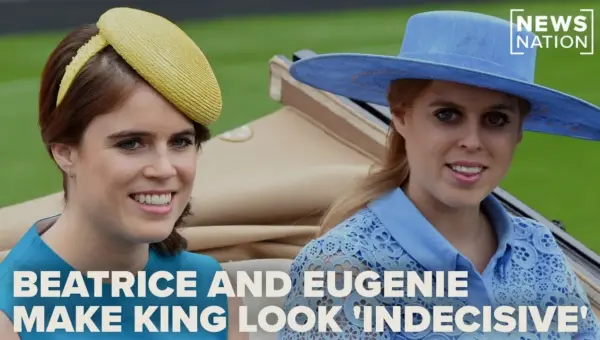
Monarchy’s Mid-Life Crisis: Royal Reversals Shake Public Trust
King Charles III's recent decisions regarding the inclusion of Princesses Beatrice and Eugenie in royal events have sparked debate about the monarchy's stability. Public reversals on invitations, coupled with reports of internal disagreements, are raising concerns about the institution's public image and future direction.