Trump Administration Sends Mixed Signals on Iran War
The Trump administration is facing scrutiny for sending conflicting messages about the ongoing conflict in Iran, with reports of internal pressure to find an exit strategy. Amidst rising casualties and public backlash over gas prices, the war's unprecedented unpopularity is raising questions about the administration's strategy and the president's commitment to de-escalation.

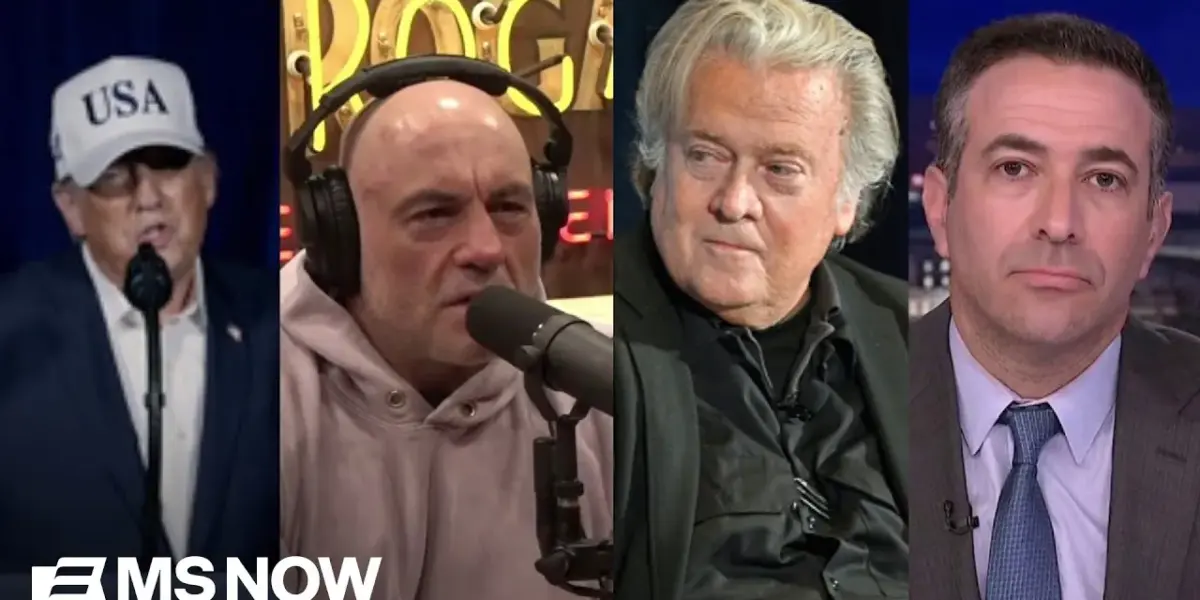
Trump Administration Sends Mixed Signals on Iran War
WASHINGTON D.C. – In the midst of escalating tensions and ongoing military operations in Iran, the Trump administration has been disseminating a series of conflicting and contradictory messages regarding the United States’ involvement and intended duration of the conflict. Reports indicate that President Trump himself has issued statements that clash with one another, sometimes within a single day, creating confusion both domestically and internationally about the strategic objectives and timeline of U.S. military action.
Conflicting Messages Emerge Amidst Escalation
The New York Times and other reputable news organizations have reported on the perplexing communication strategy emanating from the White House. This divergence in messaging, particularly on a matter with profound implications for American lives and regional stability, has led to what some observers describe as the “opposite of a doctrine” – a situation where the public and even administration officials are left guessing about the president’s next pronouncement.
This internal dissonance is reportedly occurring even as President Trump faces pressure from his own White House team. High-level officials who are tasked with executing his policies are said to be actively seeking an “off-ramp” from the conflict, according to current reporting. This internal push for de-escalation or a defined exit strategy comes as new strikes continue to impact Iran, with the Pentagon confirming eight U.S. deaths and approximately 140 Americans injured as of the latest reports. The Associated Press estimates the Iranian death toll to be over 1,000, a figure that is subject to change as the conflict progresses.
Calls for an Exit Plan Amidst Economic and Public Backlash
The Wall Street Journal reports that some of President Trump’s advisors are privately urging him to articulate a clear exit plan. These calls are reportedly fueled by concerns over spiking oil prices and the potential for a protracted and costly conflict. The economic fallout, including a significant rise in gas prices that directly impacts American consumers, has already begun to generate a public backlash. One individual from Tampa, quoted in the report, expressed dismay at paying $65 for gasoline, noting, “I’m just getting killed right now.” Another ride-share driver voiced fears about their livelihood if prices continue to climb, stating, “If gas is $4 a gallon, I’m done.”
The Journal’s reporting, which cites multiple sources within the administration, suggests that advisors are encouraging the president to “articulate a plan to extract the U.S. from the war and make the case the military had largely achieved its objectives.” While Trump officials have reportedly denied this specific report, the reliance on multiple sources by a publication like The Wall Street Journal indicates the gravity of the situation and the internal discussions taking place.
“The people in the messaging department over there got to get serious about this. You’re going to start losing people if there’s not consistency just to kind of shine on Emma Threat. INCORRECT, SIR. INCORRECT, MR. PETE HEXTH. THERE WAS NOT AN.”
Contradictory Statements on War’s Status
A significant point of contention highlighted by the reporting is the stark contrast between President Trump’s statements about the war’s completion and the assessments from his own Defense Secretary. While President Trump has recently declared the war “very complete” and suggested it would be a “short-term excursion” ending “soon,” the Pentagon chief has indicated that the “most intense strikes are only beginning now.” This discrepancy leaves Americans uncertain about the current phase and future trajectory of the conflict.
The transcript reveals a particularly telling exchange: “Mr. President, you’ve said the war is, quote, ‘very complete,’ but your defense secretary says this is just the beginning. So which is it and how long should Americans be prepared?” The president’s response, “Well, I think you could say both,” has been criticized as misleading to the public and disrespectful to the service members involved.
Unprecedented Public Opposition
The conflict in Iran has garnered unprecedented levels of public opposition from its inception. Polling data indicates that a significant majority of Americans, over 70%, are against the war, a figure described as the “highest percentage of people against any war since World War II.” This level of unpopularity is historically significant, especially given that most military interventions typically begin with some degree of initial public support, a phenomenon political scientists attribute to a “rally around the flag” effect.
The war’s unpopularity is compounded by its broader context. It is described as involving 20 countries militarily and exacerbating a widening energy shock that impacts nations globally. The scale of the conflagration is likened to crises seen since the Cold War, involving multiple great powers and overlapping conflicts. The immediate economic impact is palpable, with gas prices already up 20% in the preceding month, creating significant financial strain on everyday Americans.
Calls for Congressional Action and Accountability
Amidst this backdrop of public discontent and internal administration confusion, there are growing calls for congressional action. Some lawmakers are being pressed to outline plans to slow down the president’s actions, with discussions ranging from defunding the Department of Defense to exploring impeachment. However, the reporting suggests that legislative efforts, such as pushing on the War Powers Act, have been met with Republican interference, indicating a reluctance among some to directly challenge the president.
The transcript highlights a sentiment that President Trump seems undeterred by public opinion or the growing opposition. “He doesn’t care about public opinion. He continues to go forward all gas, no brakes and nothing is slowing him down,” one commentator observes. The concern is that this approach could lead to further escalation, with speculation even including potential military action in Cuba, mirroring what is described as a military move in Ecuador the previous week that went largely unnoticed by the American public.
The Road Ahead
With the conflict’s objectives remaining unclear and contradictory messages continuing to surface, the situation in Iran presents a critical juncture for the Trump administration. The significant public opposition, coupled with concerns over economic stability and the human cost of war, suggests that the pressure for clarity and a defined strategy will only intensify. The coming days and weeks will be crucial in determining whether the administration can reconcile its internal divisions and present a coherent path forward, or if the current trajectory will lead to further entanglement and increased global instability. The question remains whether congressional oversight and public pressure will ultimately compel a shift in strategy, or if the president’s current course will continue unabated.
Source: 'Warmonger' Trump RETREATS from ‘long war’ bluster amid Iran fallout (YouTube)

Related Articles
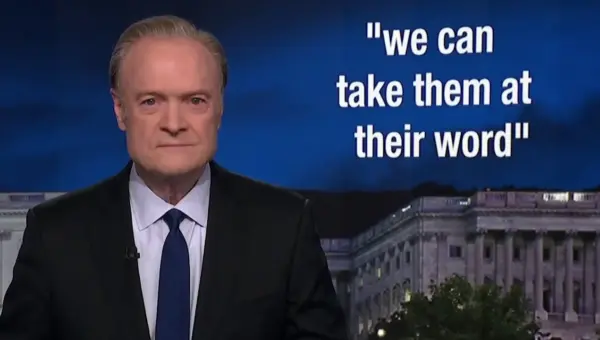
Trump’s Iran War Stumbles: Officials Admit Confusion
The Trump administration's strategy in its conflict with Iran is under fire for perceived confusion and a lack of understanding of complex geopolitical issues. Key figures have made contradictory statements, and the credibility of official pronouncements is being questioned amidst escalating tensions.

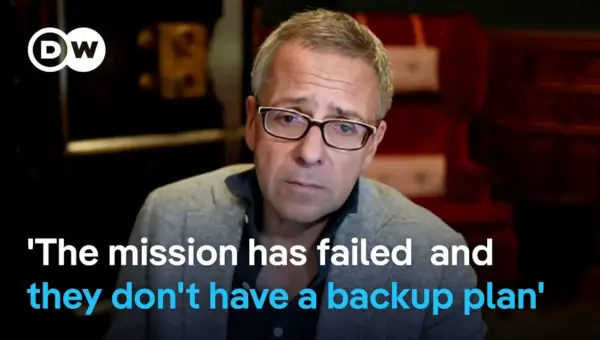
Trump’s Conflicting Iran War Messages Raise Doubts
Former President Donald Trump has issued conflicting statements regarding the U.S. military campaign in Iran, oscillating between claims of rapid progress and hints of expanded operations. This mixed messaging raises questions about U.S. strategic aims and the potential duration of the conflict, prompting analysis from experts on regional stability.
Trump Endorsement Fuels Fuller to Runoff in Georgia Race
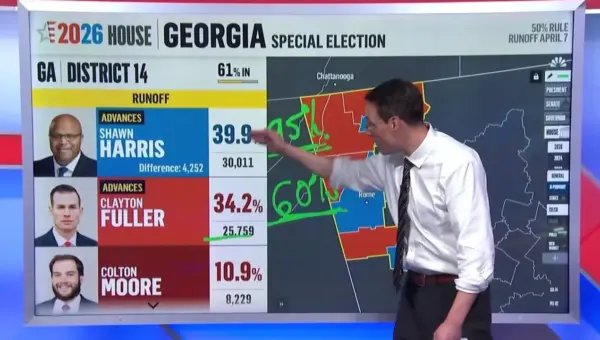
Clay Fuller, backed by Donald Trump, secured a spot in a Georgia special election runoff. Democratic candidate Sean Harris also performed strongly, potentially forcing a runoff in a district Trump won by 37 points. The results highlight Trump's influence and energized Democratic voters.