US-UK ‘Special Relationship’ Strained by Iran War Dispute
The long-standing 'special relationship' between the US and UK is facing unprecedented strain following the UK's reluctance to support the opening strikes on Iran. Public criticism from Donald Trump has intensified the debate over the alliance's future. Experts suggest this rift highlights deeper shifts in global priorities and evolving military capabilities, potentially reshaping transatlantic ties.

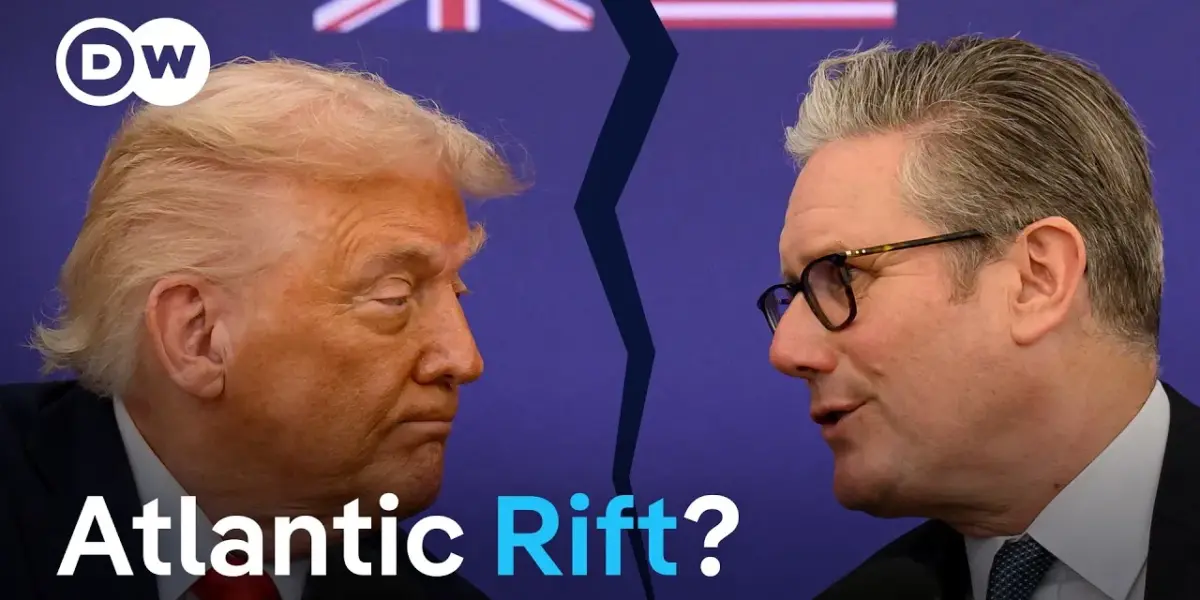
UK-US Relations Face Major Test Amidst Iran Conflict
A significant rift appears to be widening in the long-standing relationship between the United States and the United Kingdom, following the UK’s initial refusal to allow its military bases to be used for the opening strikes against Iran. This divergence, amplified by public criticism from former President Donald Trump, has led many to question the very nature and future of the so-called ‘special relationship’ between the two nations.
Trump’s Scathing Remarks and UK’s Stance
The tension escalated dramatically when Donald Trump took to social media to openly mock UK Prime Minister Keir Starmer, referencing Winston Churchill in a derogatory manner and questioning Britain’s relevance in the conflict. Trump’s posts on Truth Social criticized the UK as a “once great ally,” stating the US did not need its aircraft carriers and warning Starmer, “We will remember. We don’t need people who join wars after we’ve already won.”
British journalist and commentator Quentyn Peele described Trump’s comments as “very brutal,” suggesting that the bitterness over the UK not being as aligned as it was during the Iraq War runs deeper than just Trump, potentially resonating within the Pentagon and the American military establishment.
“I don’t think it’s a permanent turning point. I think it’s a real call to reality if you like. I think it underlines the fact that the British dream that they had a special relationship with the United States was always exaggerated and has been certainly u certainly since the Second World War.”
Quentyn Peele, British Journalist and Commentator
Questioning the ‘Special Relationship’
The very foundation of the ‘special relationship’ has come under scrutiny. Historically, it has been defined by deep security ties, particularly intelligence sharing through the Five Eyes alliance (UK, US, Canada, Australia, New Zealand) and crucial support for the UK’s nuclear submarine program, which relies heavily on American technology and missiles.
However, Peele suggests that the British perception of their importance to the US government and politicians has often been overstated, a notion that dates back to the post-World War II era. He argues that while the relationship is security-focused, there’s a significant misunderstanding on the British side regarding their actual standing.
Military Capabilities and Shifting Alliances
Adding another layer to the debate are concerns about the UK’s current military capabilities. Peele points out that the Royal Navy’s readiness to deploy and support American operations overnight has diminished, with ships taking weeks to reach the Mediterranean. This raises questions about the UK’s ability to be the reliable ally it once was.
Despite these strains, Prime Minister Keir Starmer has maintained that the special relationship remains functional, citing ongoing cooperation in deployments from UK bases, joint operations in the region, and continuous intelligence sharing on a 24/7 basis.
Domestic Political Implications for Starmer
Interestingly, Starmer’s more standoffish approach towards Trump appears to be domestically popular. Following criticism for not being tough enough on Israel regarding Gaza and for seemingly trying too hard to align with Trump previously, Starmer’s current stance has reportedly boosted his approval ratings.
This situation highlights a broader trend of growing distance between the US and Europe, not solely attributable to Donald Trump’s outspoken nature. Experts suggest that America’s focus is increasingly shifting towards its own hemisphere and its strategic competition with China, making Europe, including Britain, comparatively less relevant in Washington’s foreign policy priorities.
European Perspective and Post-Brexit Realities
The UK’s strained ties with the US also come at a challenging time in its post-Brexit recalibration of relationships with Europe. The argument that Britain could thrive without close ties to the EU, relying instead on its relationship with Washington, now appears less convincing to European leaders.
Commentators suggest a sense of “I told you so” from continental Europe, particularly Germany and France. While not rushing to embrace the UK, European nations are likely observing Britain’s struggles to balance its transatlantic and European relationships, emphasizing the continued importance of European cooperation on security, foreign affairs, and economic matters.
The Future of Transatlantic Relations
Looking ahead, the relationship between the UK and the US faces an uncertain future. The current friction, exacerbated by Trump’s rhetoric, may subside, especially with upcoming diplomatic events like King Charles’s state visit. However, the underlying trend of a drifting transatlantic alliance, driven by shifting global priorities and evolving military capacities, suggests that the ‘special relationship’ may be fundamentally different than it was in previous decades.
Analysts believe that America’s geopolitical focus is increasingly on the Pacific and its rivalry with China, with Europe being viewed as “history.” This broader geopolitical shift, even beyond the Trump presidency, implies that the UK and Europe may need to forge a more independent path, leveraging their collective influence in a world order increasingly defined by US-China competition.
Source: Atlantic rift? Has Britain’s relationship with the US just changed forever? | DW News (YouTube)

Related Articles
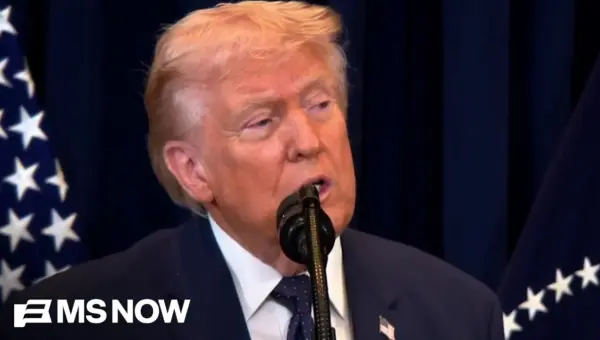
Trump Faces Backlash Over Iran School Bombing Claims
Donald Trump faces mounting criticism from his own base and media allies over his statements regarding the bombing of a girls' school in Iran. Reports suggest U.S. responsibility for the strike, yet Trump has offered alternative explanations, drawing skepticism and challenging the administration's messaging on the conflict.

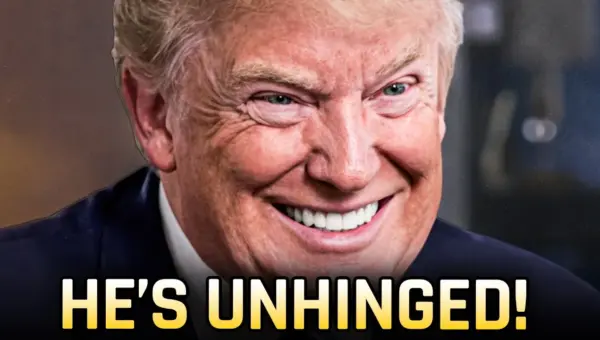
Trump’s Rhetoric Ignites Global Market Mayhem
Global markets experienced a significant downturn as oil prices surged, exacerbated by geopolitical tensions and Iran's attacks on regional infrastructure. Analysts criticize unclear U.S. policy responses, while former President Trump's rhetoric is seen as dangerously dismissive of the risks.

Trump’s Iran War Lacks Plan, Exit Strategy, Analyst Warns
Mehdi Hasan criticizes the Trump administration's military strikes in Iran, labeling the war as lacking a clear plan and exit strategy. He questions the justifications provided, highlighting conflicting narratives and the potential for increased terrorism.