Supreme Court Deals Major Blow to Trump’s Tariff Strategy in 6-3 Ruling
The Supreme Court delivered a major blow to President Trump's tariff strategy in a 6-3 ruling, with two of his own appointees joining the majority. The decision strikes down Trump's global tariff program but leaves open alternative legal pathways for the administration to pursue its trade agenda.

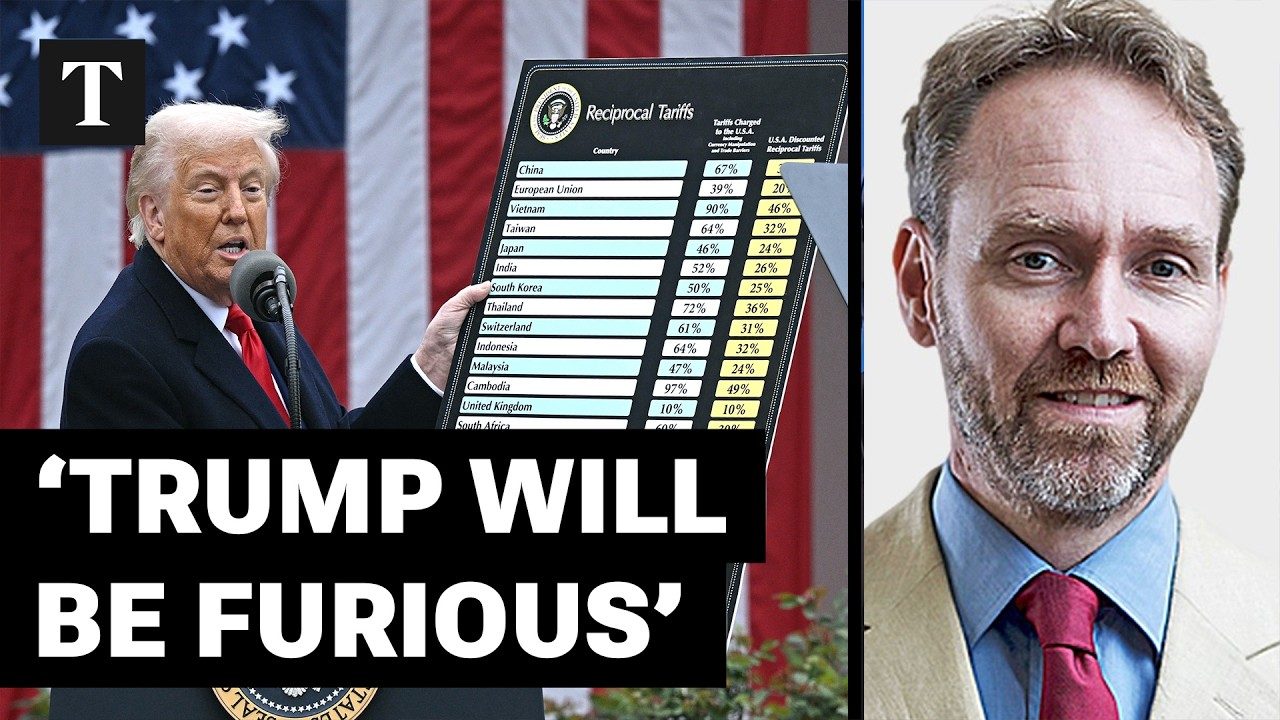
In a significant setback for President Donald Trump’s economic agenda, the U.S. Supreme Court has struck down his global tariff program in a 6-3 decision that included two justices he appointed during his first term.
Supreme Court Splits on Trump Tariffs
The ruling saw Justices Amy Coney Barrett and Neil Gorsuch, both Trump appointees, join the majority in voting against the tariff program. Only Justice Brett Kavanaugh, also a Trump nominee, supported the administration’s position, arguing that the emergency legislation used to implement the tariffs was constitutional.
According to Times US Editor David Charter, who provided analysis of the ruling, “President Trump, I think, will be furious that he’s lost, but just as furious that two of the justices he appointed in his first term joined the majority to vote down his tariff.”
The Stakes and Implications
The Supreme Court’s decision represents what Charter described as “an earthquake that was expected,” given the skeptical questioning from justices during hearings. The ruling affects Trump’s use of emergency legislation for both reciprocal tariffs and measures targeting Mexico, Canada, and China over drug importation concerns.
Tariffs have been a cornerstone of Trump’s economic strategy, with the administration viewing them as a fundamental tool for raising billions in revenue and reshaping America’s trade relationships. The timing of the ruling is particularly significant as it comes just as Trump was preparing for a visit to China, where tariffs were expected to serve as a key negotiating weapon.
Political Ramifications and Divided Views
Political analysts are split on the long-term impact of this ruling. Freddy Gray, deputy editor of The Spectator, characterized it as “exactly what Donald Trump didn’t want” and “a very serious setback for the Trump economic agenda.” Gray noted that the administration had been “worrying about this for a very long time.”
However, political editor Ava Santina Evans offered a contrasting perspective, suggesting the ruling “could be very helpful for Donald Trump because this sort of enforces the narrative that he loves to push that the Democrats do not care about the American people and he was trying to do something that would help them and that has now been thwarted.”
Alternative Legal Pathways
Despite this setback, the Trump administration is not without options. Charter revealed that “there are at least three other pretty old but still in full power pieces of legislation that we know the White House has been looking at as a potential way of keeping the tariffs on.”
The administration has been working on contingency plans, with Treasury Secretary Scott Bessent reportedly developing alternative approaches to implement tariff policies through different legislative vehicles. This suggests that while the current ruling is final regarding the specific emergency legislation used, the broader tariff strategy may continue through other means.
Broader Context of Trump’s Economic Strategy
The ruling comes at a critical time as the administration had been preparing to showcase economic improvements ahead of the midterm elections. The strategy involved positioning tariffs as successful policy tools that were beginning to show positive results for the American economy.
Some observers have noted that even publications traditionally critical of tariffs, such as the Wall Street Journal, had begun acknowledging that the economic impact might not be as negative as initially predicted. The Trump team was reportedly preparing to argue that despite criticism, the tariff policies were working and contributing to economic growth.
Questions About MAGA Economics
The Supreme Court decision has raised broader questions about the viability of Trump’s “Make America Great Again” economic philosophy. Critics argue that the approach appeals to nostalgia for an economic era that no longer exists, particularly given the reality of modern global supply chains and America’s economic interdependence with countries like China.
The manufacturing sector, which tariffs were designed to protect, represents a smaller portion of the modern American economy than during previous decades. Additionally, the complex relationship with China, including their significant holdings of U.S. Treasury bonds, complicates any aggressive trade confrontation strategy.
Looking Ahead
While this ruling represents a significant legal and political challenge for the Trump administration, it is unlikely to be the final word on trade policy. The administration’s history suggests it will continue pursuing alternative approaches to implement its economic agenda.
As Charter noted, Trump “is never a man to admit defeat or even fault,” and the administration is expected to pivot quickly to alternative legislative frameworks while maintaining its protectionist rhetoric and goals.
The ruling also signals that other major Trump policies may face similar scrutiny from the Supreme Court, including potential challenges to birthright citizenship restrictions, suggesting ongoing constitutional battles ahead for the administration’s key initiatives.
Source: ‘Trump Will Be Furious’ As Supreme Court Blocks Global Tariffs | David Charter (YouTube)

Related Articles

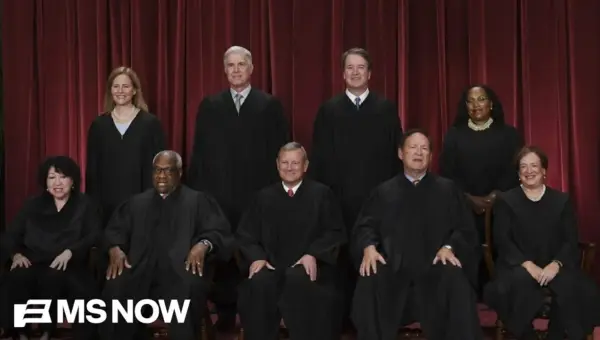
Supreme Court’s Legitimacy Tested: A Look Inside
The Supreme Court is increasingly seen as the "last branch standing" to resolve national disputes, a role that strains its legitimacy. Author Sarah Isker's new book, 'Last Branch Standing,' examines the court's internal dynamics and its complex relationship with public opinion and other branches of government.


US Beef Faces Global Strain, Seeks Domestic Boost
American cattle ranchers face rising costs and foreign competition, leading to a new voluntary labeling initiative for U.S. beef launching in 2026. This aims to empower domestic producers and inform consumers amidst complex global trade rules.
Justice Dept. Fails in Bid for Voter Data
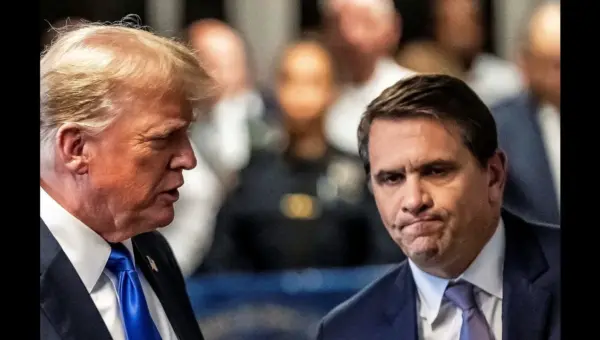
The Justice Department is facing significant legal defeats in its efforts to obtain sensitive state voter data. Despite numerous lawsuits, the department has lost every case on its merits, raising concerns about its motives and strategy. The legal battles are now heading towards higher courts, including the Supreme Court.