US War with Iran Ignites: Escalation Looms Amidst Uncertainty
The war against Iran, now in its eleventh day, is escalating with US forces targeting key locations. The discussion of potential ground troop deployment and even nuclear weapons raises grave concerns about the future of the conflict and regional stability.

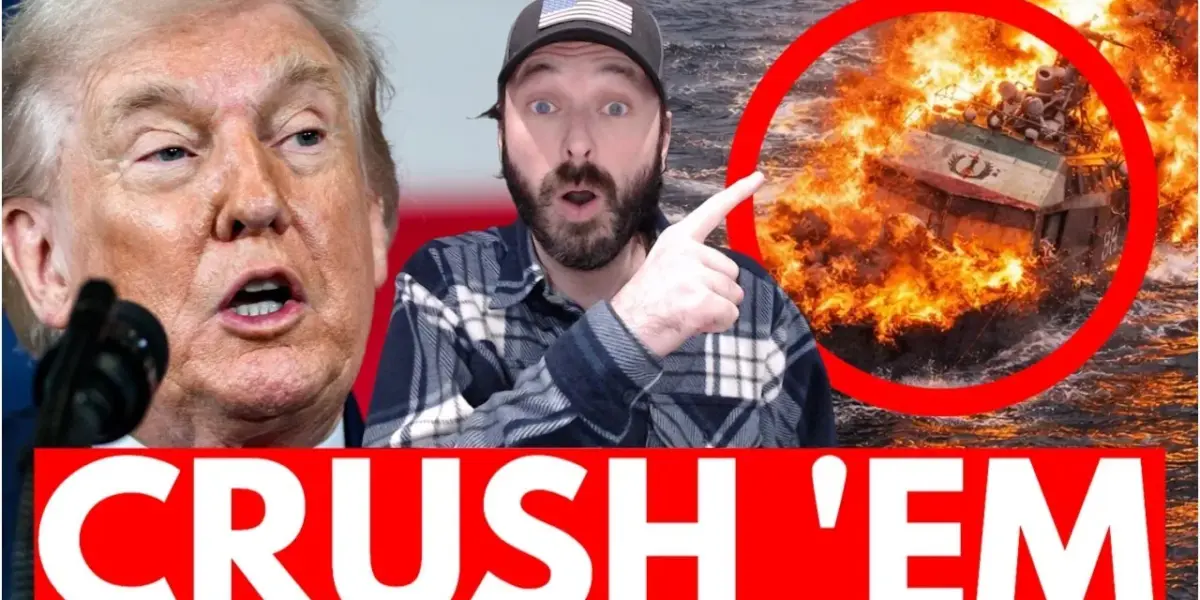
US War with Iran Ignites: Escalation Looms Amidst Uncertainty
The ongoing conflict involving Iran, now in its eleventh day, has reached a critical juncture, characterized by escalating military actions and profound uncertainty regarding its future trajectory. As the United States continues to engage targets, the specter of ground troop deployment and even the unthinkable use of nuclear weapons looms large, raising critical questions about the nature and potential consequences of this burgeoning confrontation.
The Current Landscape of Conflict
Details surrounding the precise nature of the “Operation Epic Fury” remain scarce, a common characteristic of modern warfare where information is as much a weapon as the munitions themselves. However, the assertion that the US military is “lighting up targets” suggests a sustained and potentially widespread campaign. The duration of the conflict, now over a week, indicates that this is not a fleeting skirmish but a developing strategic engagement.
The core of the discussion revolves around the potential for further escalation. The mention of “ground troops” signals a significant shift from aerial or naval engagements, implying a direct, boots-on-the-ground confrontation that invariably carries higher risks and human costs. The even more alarming prospect of “nukes” entering the strategic calculus, however unlikely in conventional discourse, underscores the extreme gravity with which such a conflict is being considered by some observers.
Historical Parallels and Precedents
To understand the current situation, it is essential to cast a glance at historical precedents. The Middle East has long been a volatile region, marked by numerous conflicts involving regional powers and international actors. The history of US involvement in the region, from the Gulf War to interventions in Iraq and Afghanistan, provides a complex tapestry of successes, failures, and unintended consequences. Each conflict has carried its own set of escalatory pathways, often beginning with limited objectives and spiraling into prolonged and costly engagements.
The rhetoric surrounding potential escalation, particularly the mention of nuclear weapons, while perhaps hyperbolic in the current context, echoes historical moments of extreme tension. The Cold War era, with its doctrine of Mutually Assured Destruction (MAD), demonstrated the terrifying potential for nuclear brinkmanship. While the geopolitical landscape has changed dramatically, the existence of nuclear arsenals remains a stark reminder of the ultimate destructive capability available to certain states.
Weighing the Options: Ground Troops vs. Nuclear Deterrence
The hypothetical deployment of ground troops represents a conventional escalation. It signifies a commitment to occupy territory, engage in close-quarters combat, and potentially face significant casualties. This path is often chosen when other military options have proven insufficient or when political objectives demand a more direct and forceful presence.
The discussion of nuclear weapons, on the other hand, enters a realm of strategic deterrence and potentially catastrophic failure. In modern warfare, nuclear weapons are largely seen as a last resort, a deterrent against existential threats, or a tool of last-ditch aggression. Their use would fundamentally alter the nature of the conflict, with devastating humanitarian and environmental consequences, and the very real possibility of retaliatory strikes, leading to a global catastrophe.
The Ambiguity of “Escalation”
It is crucial to dissect what “total escalation” truly entails. Does it mean an all-out war with no holds barred? Or does it refer to a series of increasingly severe military actions designed to achieve specific strategic objectives? The ambiguity is a significant factor. In the absence of clear communication from the involved parties, speculation and concern naturally fill the void.
Escalation can take many forms: increased intensity of strikes, expansion of target sets, the involvement of new military branches or alliances, or the crossing of previously established red lines. The “eleventh day” of the conflict suggests that initial objectives may not have been met, necessitating further, potentially more aggressive, actions.
Why This Matters
The potential for a wider conflict involving Iran carries immense implications, not only for the immediate parties involved but for global stability. Iran’s strategic position in the Middle East, its regional influence, and its potential ties to various non-state actors mean that any significant conflict could have far-reaching ripple effects.
Regional Destabilization: A full-blown war could destabilize an already precarious region, leading to refugee crises, disrupted trade routes (particularly vital oil supplies), and the potential empowerment of extremist groups.
Global Economic Impact: The Middle East is a critical hub for global energy markets. A major conflict could lead to significant disruptions in oil supply, causing price spikes and economic turmoil worldwide.
Humanitarian Crisis: Warfare, especially on the scale implied by “total escalation,” invariably leads to immense human suffering, civilian casualties, and displacement.
Geopolitical Realignment: Such a conflict could force nations to choose sides, potentially leading to new alliances and a redrawing of the global geopolitical map.
Trends and Future Outlook
The current geopolitical climate is one of heightened tensions and shifting power dynamics. The conflict with Iran, whatever its origins and current scope, occurs against a backdrop of broader international competition and regional rivalries.
The increasing reliance on advanced military technology, including drone warfare and cyber capabilities, means that future conflicts may be characterized by speed, precision, and a blurred line between physical and digital battlefields. However, as this situation highlights, the fundamental considerations of troop deployment and the ultimate destructive potential of conventional and unconventional weapons remain critically important.
The future outlook is decidedly uncertain. The decisions made in the coming days and weeks will be pivotal. Will diplomacy prevail? Will de-escalation become a priority? Or will the path of further military engagement be chosen, with all its attendant risks and unknown consequences? The discourse around the potential use of ground troops and nuclear weapons, even if speculative, serves as a stark warning of the precipice upon which nations can find themselves.
Conclusion
The “Operation Epic Fury” against Iran, now in its eleventh day, represents a significant and concerning development. While the exact parameters of the conflict and the motivations behind the escalating actions remain somewhat opaque, the potential for further intensification, including the discussion of ground troops and even nuclear options, demands serious attention. As the situation unfolds, global observers will be watching closely, hoping for a de-escalation that averts the most catastrophic outcomes, while acknowledging the precariousness of the current moment.
Source: Iran War EXPLODES – Total Escalation Underway | Tuesday Night Q&A (YouTube)

Related Articles


Trump’s Rhetoric Ignites Global Market Mayhem
Global markets experienced a significant downturn as oil prices surged, exacerbated by geopolitical tensions and Iran's attacks on regional infrastructure. Analysts criticize unclear U.S. policy responses, while former President Trump's rhetoric is seen as dangerously dismissive of the risks.


Iran’s Strait of Hormuz Mine Threat: A Dangerous Escalation
Reports indicate Iran has allegedly mined the Strait of Hormuz, a vital global energy chokepoint. This alarming escalation threatens maritime security and global oil supplies, prompting urgent calls for decisive military response and raising fears of wider conflict.
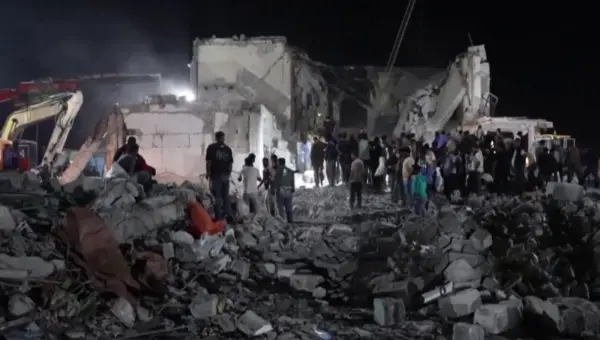
US Redefines Iran War Goals Amid Rising Casualties, Oil Fears
The White House is redefining President Trump's 'unconditional surrender' demand from Iran as U.S. military strikes intensify and casualties rise. Amidst volatile oil prices and conflicting messages on the war's duration, questions linger about the administration's ultimate goals and the escalating regional tensions.