Nigeria’s Anti-Gay Law Fuels ‘Kito’ Extortion Crimes
Criminals in Nigeria are exploiting the country's anti-gay law to commit 'Kito' crimes, including kidnapping, extortion, and blackmail. Survivors like Gavin detail harrowing experiences of being beaten, robbed, and financially exploited, living in constant fear of exposure and further violence. Organizations are working to support victims amidst a backdrop of deep societal prejudice and tragic loss of life.

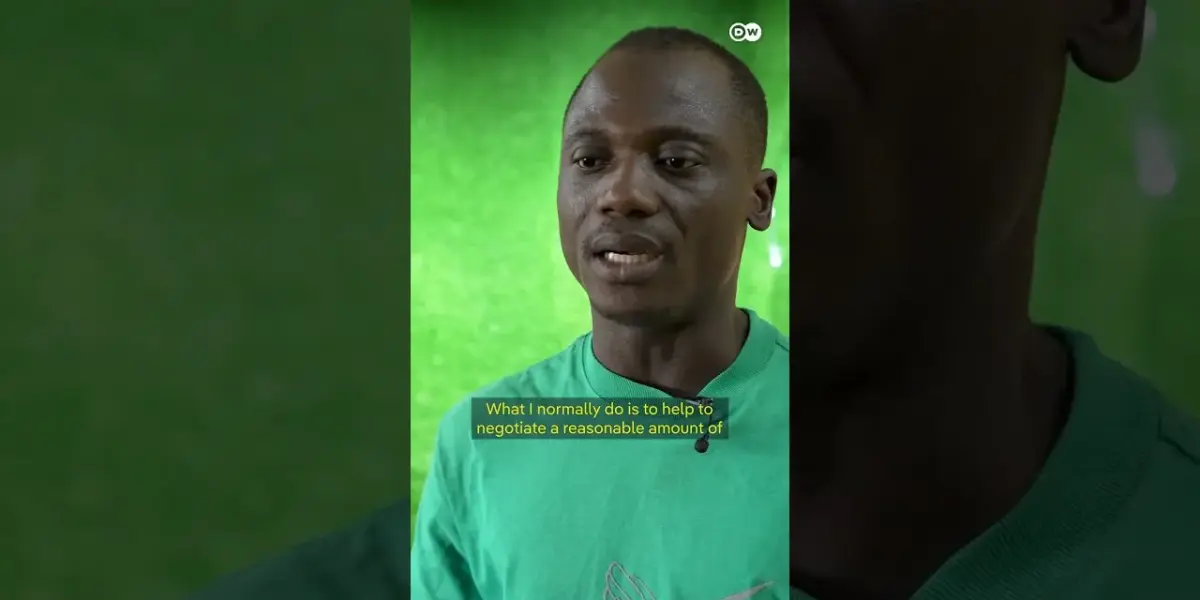
Survivors Speak Out Against ‘Kito’ Attacks Exploiting Anti-LGBTQ+ Law
Abuja, Nigeria – A dangerous new trend, dubbed ‘Kito,’ is emerging in Nigeria, where criminals are exploiting the nation’s strict anti-gay laws to perpetrate crimes including kidnapping, robbery, assault, and blackmail. Victims, often lured into dangerous situations, find themselves trapped and extorted, with their identities and sexual orientation weaponized against them. The fear and trauma experienced by survivors are profound, forcing them to live in constant apprehension and hiding their true selves.
The ‘Kito’ Trap: How Criminals Exploit Vulnerability
Survivors of ‘Kito’ incidents describe a harrowing ordeal that begins with a deceptive invitation. One victim, identified as Gavin, recounted how he was lured to a meeting online only to be ambushed by a group of men. “A guy reached out to me online and invited me over. And when I got there, I got ambushed by four other guys, making it five. I was beaten. I was extorted. They recorded me naked,” Gavin shared, detailing the violation and terror he endured.
The perpetrators systematically exploit the shame and stigma associated with homosexuality in Nigeria. They seize victims’ phones and bank cards, open fraudulent loans in their names, and then contact their families and friends to demand ransom. “They borrowed money on three of my accounts, collected about 600 and something,000 naira from my parents. My savings was about 300,000 naira. They collected it,” Gavin revealed, highlighting the financial devastation inflicted upon him and his loved ones.
The effectiveness of this criminal tactic is rooted in the deeply conservative social fabric of Nigeria, where same-sex relationships are criminalized and carry severe penalties, including up to 14 years imprisonment. This legal framework creates an environment of fear for LGBTQ+ individuals, making them vulnerable targets. “It works because being gay is considered shameful in Nigeria,” a DW News report explained. Even online, videos depicting the physical assault or public humiliation of gay individuals often attract homophobic commentary, underscoring the pervasive societal prejudice.
The Psychological Toll: Living with a ‘Target on My Back’
Gavin was held captive for eight hours before his captors released him, believing they had extracted sufficient funds. However, the ordeal left him with lasting psychological scars. “Every day it feels like I have a target on my back. Every day it feels like I can’t show my true self. I have to hide who I am,” he expressed, articulating the pervasive sense of insecurity and the need to conceal his identity.
This feeling of being perpetually unsafe is shared by many survivors. The report highlighted a group of survivors of homophobic attacks in Nigeria, underscoring the widespread nature of such incidents in a country where LGBTQ+ individuals are forced to live in constant fear.
Support Systems and Tragic Losses
Amidst this crisis, organizations like Time Kin Nigeria are stepping in to offer crucial support to victims. This group not only provides emotional and psychological assistance but also engages in direct negotiations with extortionists to help secure the release of victims. “What I normally do is that just to um help to negotiate some certain amount reasonable amount of money,” a representative from Time Kin Nigeria explained. However, they acknowledge the limitations and the extreme difficulty in certain cases.
The situation can turn deadly. The representative continued, “But there are some cases that we we have some high amount of money and they still demanding they cannot remove anything and we have some cases that community member has spent one week or more than one week with them.” Tragically, not all victims survive these hostage situations. The report cited the case of 23-year-old Hillary Iku, who died from injuries sustained after being thrown out of a two-story building while attempting to escape his captors. “It was barely 2 weeks after my case that I saw Hillary’s case and I cried. I really cried because that could have been me,” Gavin said, visibly moved by the loss and the stark reality of the dangers faced by the community.
A Dream for a Freer Nigeria
With the support of groups like Time Kin Nigeria, Gavin is actively working through his trauma and holding onto hope for a better future. He dreams of a Nigeria where LGBTQ+ individuals can live openly and authentically, free from judgment and condemnation. “I would like to see a Nigeria where the gay people or the homosexual people are able to live their truth without fear of being judged, without the fear of being condemned,” he stated passionately.
His vision extends to a society where all citizens, regardless of sexual orientation, can coexist peacefully and support each other. “In Nigeria where the straight and the homosexual can live freely, communicate and help each other evenly,” Gavin concluded, articulating a powerful aspiration for inclusivity and equality.
Looking Ahead
The ongoing exploitation of Nigeria’s anti-gay laws through ‘Kito’ incidents highlights a critical human rights issue. As survivors like Gavin and organizations like Time Kin Nigeria continue to advocate for change and support victims, the focus will remain on how the Nigerian government and society at large will address these criminal acts and the underlying prejudice that enables them. The international community will also be watching to see if legislative reforms or increased protections for LGBTQ+ individuals can be implemented to prevent further tragedies and foster a more inclusive nation.
Source: “It feels like I have a target on my back” — ‘Kito’ survivor | DW News (YouTube)

Related Articles

EU Nations Push Controversial Plan for Offshore Asylum Processing
Five EU countries are advancing a controversial plan to establish offshore "return hubs" for rejected asylum seekers, aiming to expedite deportations. Human rights groups warn of potential violations and the erosion of asylum protections.

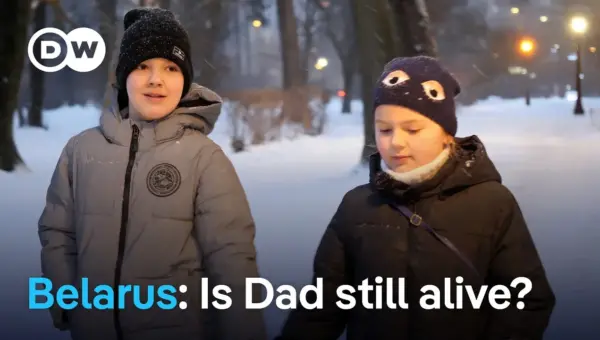
Belarus Exiles Fear for Loved Ones Amidst Regime Repression
Belarusian families in exile in Warsaw live with the constant fear for loved ones still in their homeland, where dissent is met with brutal repression and imprisonment. Stories of separated families and the psychological toll of political persecution highlight the ongoing human rights crisis under Lukashenko's regime.


Iran Soccer Players Granted Asylum in Australia After Anthem Protest
Five Iranian women's soccer players have been granted asylum in Australia after a silent protest during their national anthem at a tournament sparked backlash at home. Australian Prime Minister Scott Morrison confirmed the players are in a safe location after receiving humanitarian visas. The move follows international calls for protection, with fears they would face severe consequences if returned to Iran.